Full confession. Dawson's Creek was my guilty pleasure in the late 90s.
Truthfully, I was probably a little too old to watch it in my early 20s, but my friends and I would often find ourselves under the duvet on the sofa on a Sunday morning after a big night out, nursing our hangovers with a cuppa and a side of American teen drama.
We might have giggled at the unrealistically articulate monologues, but secretly wished we'd also had that pitch-perfect snappy riposte to dole out to a disappointing boyfriend (or two).
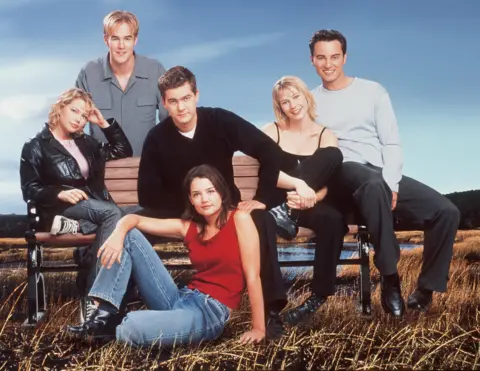
The hit show was created by Kevin Williamson, who has described it as a charmed experience. It followed a group of teenage friends living in the fictional small town of Capeside, Massachusetts, navigating the ups and downs of adolescence. Dawson Leery - played by James Van Der Beek - was always at the heart of the series, which ran from 1998 to 2003.
Van Der Beek's portrayal of Dawson, the sensitive yet manipulative aspiring filmmaker, resonated with many viewers. He brought a unique emotional depth to a character that was not the typical jock or cool kid, offering inspiration for young men at the time. The show, while averaging six million viewers in the US, also garnered a cult following internationally for its relatable themes.
Critics hailed Dawson's Creek for its groundbreaking discussions around issues like sexuality, mental health, and grief, making it a significant departure from the glamorized portrayals in shows like Beverly Hills 90210.
The show's legacy continues, especially as it featured one of the first gay kisses on primetime US TV. Show runner Williamson's decision to include such representation was influenced by his own coming-out journey.
As we reflect on its impact, Dawson's Creek remains a beloved part of increasing emotional literacy among teens, encouraging authentic conversations about life and feelings, and establishing a foundation for contemporary teen dramas.