An extensive global analysis conducted by World Health Organization (WHO) scientists has revealed that an astonishing seven million people's cancer could be prevented each year. This report estimates that nearly 37% of cancers are attributable to avoidable factors, including infections, lifestyle choices, and environmental pollutants.
Among the preventable cancer types are cervical cancers resulting from human papilloma virus (HPV) infections, where vaccination can play a critical role, as well as tumours linked to the inhalation of tobacco smoke. WHO researchers assert that there exists a substantial opportunity to transform the lives of millions through preventive measures.
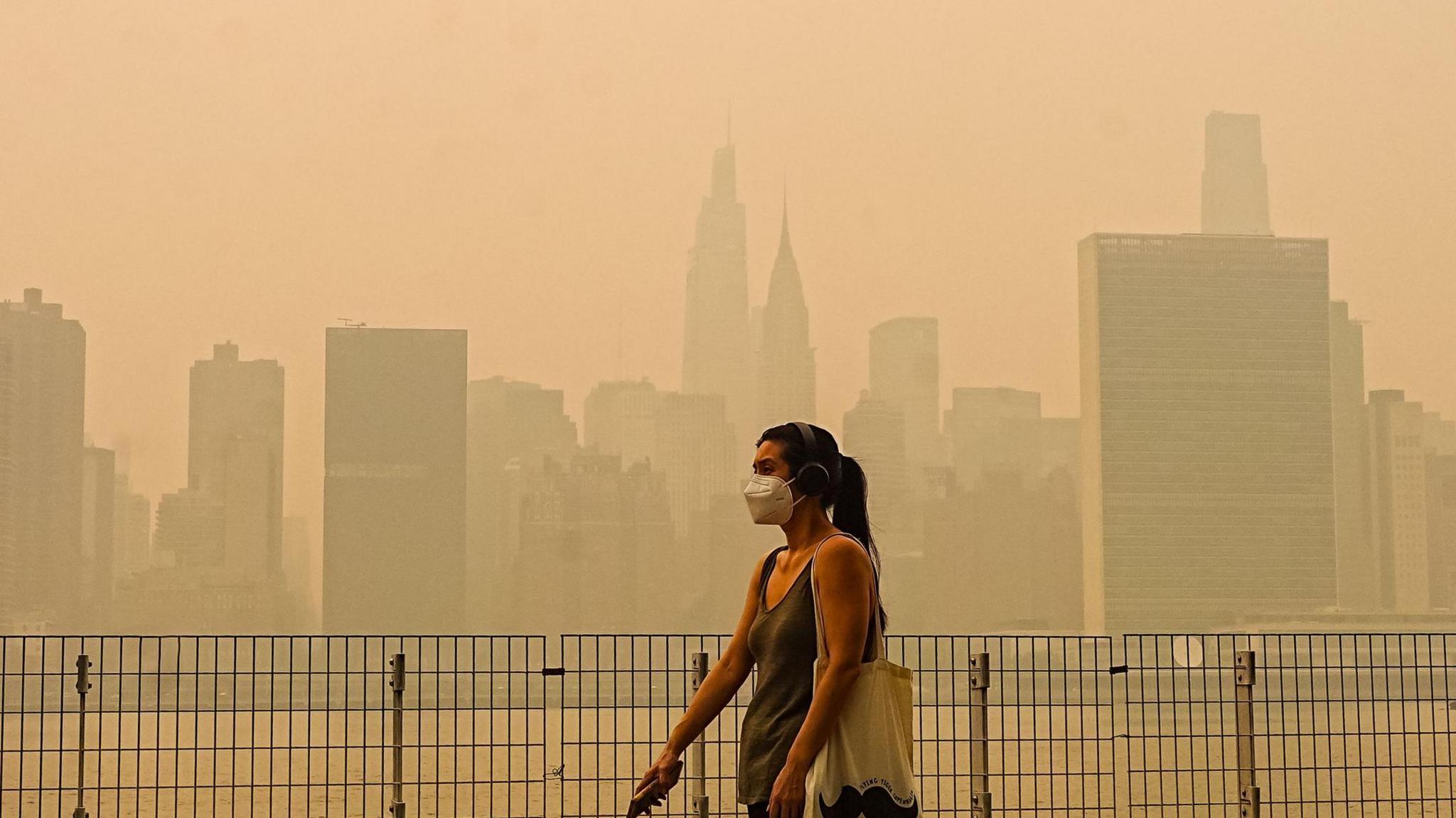
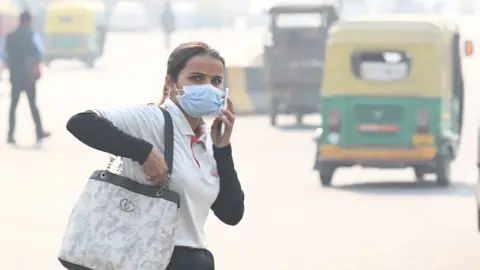
Specific risk factors highlighted in the report include smoking, UV radiation, obesity, physical inactivity, and air pollution—all of which can significantly increase the risk of developing cancer. The International Agency for Research on Cancer analyzed data across 185 countries, identifying smoking, infections, and alcohol usage as the leading contributors to over 18 million cancer cases globally.
Interestingly, the risk landscape varies considerably between genders, with 45% of men's cancers deemed preventable compared to 30% in women, largely due to disparities in smoking prevalence. Global health policies addressing these prevention tactics could considerably reduce the cancer burden worldwide.
Dr. Isabelle Soerjomataram, a lead researcher, emphasized the surprising potential of high preventability rates stating, It is a substantial number. As the report was published in the journal Nature Medicine, it serves as a clarion call to action for targeted interventions in both developed and developing countries.