A World Health Organization (WHO) report indicates that approximately 7 million cancer cases a year could be prevented with proper intervention, representing a substantial opportunity for public health improvement. Scientists analyzed global cancer data and identified that nearly 37% of all cancers arise from preventable causes, including infections, poor lifestyle choices, and environmental contaminants.
Among these preventable cancers, researchers highlighted the significant role of human papilloma virus (HPV), which can lead to cervical cancer, and the dangers of smoking, which contributes to a multitude of cancers. Dr. Isabelle Soerjomataram, a deputy head at the IARC Cancer Surveillance Unit, emphasized that people are often surprised to learn that such a high percentage of cancers can be averted.
The analysis covers 30 known risk factors contributing to cancer. Key findings revealed that tobacco use led to 3.3 million cancer cases, infections were responsible for 2.3 million cases, and alcohol consumption added another 700,000. While some cancers are inevitable due to genetic factors or aging, significant lifestyle changes could greatly reduce incidence rates.
Importantly, the report stratified findings by region, noting a disparity in cancer preventability between men and women. It found that nearly 45% of cancers in men are avoidable compared to about 30% in women, a difference attributed primarily to higher smoking rates among men. The results point towards an urgent need for tailored preventive strategies based on specific regional health risks.
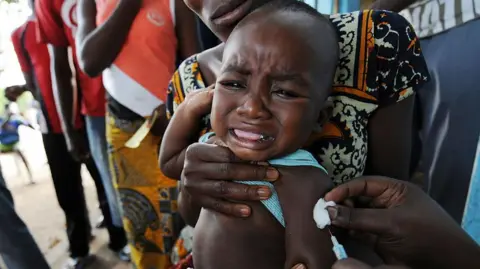
The report, published in Nature Medicine, advocates for stronger public health policies aimed at reducing the primary drivers of cancer risk and emphasizes that increasing awareness and accessibility of vaccinations can lead to life-saving outcomes.