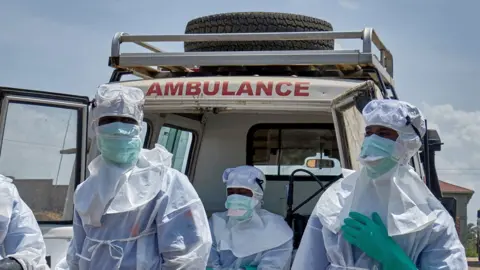
An outbreak of the deadly Nipah virus in India's West Bengal state has sparked concern in parts of Asia, triggering airport screenings across multiple countries.
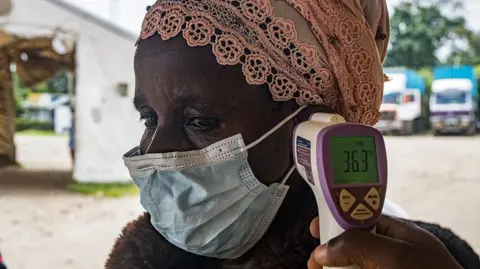
Thailand has initiated screening at three airports catering to flights from West Bengal, while Nepal has also begun health checks at Kathmandu airport and across land borders with India.
Since early January, five healthcare workers in West Bengal have been infected, with one in critical condition. About 110 individuals who came in contact with these workers are now under quarantine.
The Nipah virus is highly transmissible from animals to humans and poses a severe health risk, boasting a death rate that can soar between 40% and 75%. Alarmingly, there are currently no approved vaccines or treatments for this virus.
What is the Nipah virus and what are its symptoms?
The Nipah virus can be transmitted from animals like pigs and fruit bats to humans and can also spread person-to-person through contaminated food. The World Health Organization has marked Nipah as one of its top ten priority diseases due to its epidemic potential.
Symptoms presented can vary widely among individuals, from none at all to severe manifestations including fever, headaches, and encephalitis.
Where were the past outbreaks?
The Nipah virus was first identified in Malaysia during a pig farming outbreak in 1998 and has since caused numerous fatalities, especially in Bangladesh where over 100 deaths have been registered since 2001. India has also reported cases in West Bengal in 2001 and 2007, with more recent outbreaks in Kerala.
What is happening now?
As of last week, at least five confirmed Nipah cases were reported in West Bengal, all linked to a private healthcare facility. Nearby countries are intensifying health measures, with Thailand and Nepal amplifying screening protocols for travelers. In Taiwan, health authorities have proposed categorizing the Nipah virus as a Category 5 disease, indicating it requires close monitoring and reporting.
Authorities are taking these steps to minimize the risk of further outbreaks.