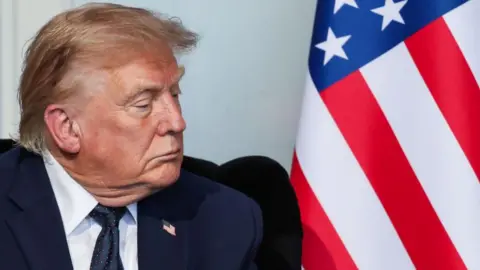
President Donald Trump's proposal to acquire Greenland has ignited a firestorm of controversy in Congress, as lawmakers grow increasingly apprehensive about the implications of his plans on U.S. military engagements abroad.
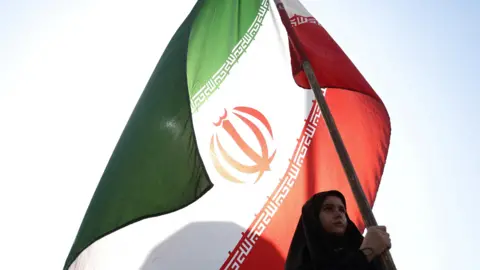
With rising bi-partisan concern about Trump's governing style, particularly his willingness to bypass legislative processes for military intervention, members of Congress are grappling with how to thwart a potential takeover of the island territory. The situation calls into question the administration’s approach to foreign relations as it engages in negotiations amid rising tensions in regions like Venezuela and Iran.
While many Republican lawmakers have historically supported Trump's foreign policy aims, a notable shift is occurring. Some are aligning with Democrats and international allies, expressing that forcibly acquiring Greenland would breach U.S. and global law.
In recent discussions, Republican leaders have shown less enthusiasm for using military force regarding Greenland. Trump's remarks at the World Economic Forum in Davos downplayed military plans, indicating a potential pivot in his strategy.
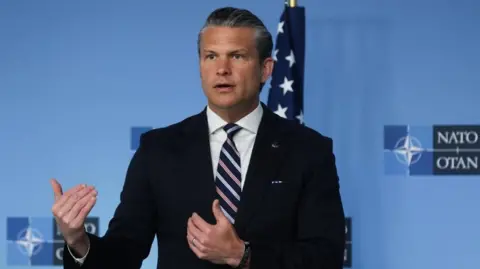
However, Trump's intention, insisting that control over Greenland is crucial for U.S. national security in the Arctic, raises questions about the long-standing NATO alliance as dissent grows over his aggressive tactics. The conversation surrounding Greenland has evolved from a simple acquisition debate to a larger discourse on the implications of U.S. military power and diplomacy worldwide.
Lawmakers have cautiously noted that any action taken toward Greenland would require congressional approval. This leaves open the possibility for both parties to collaborate on measures that could prevent unilateral military actions by Trump’s administration.
As voices of dissent within his own party grow stronger, the future of Trump's Greenland ambitions hangs in the balance, revealing the intricate interconnections of domestic politics, international law, and foreign policy.