In brief
Public libraries nationwide are reeling from a U.S. State Department order halting their participation in the Passport Acceptance Facility program. This decision affects numerous non-profit libraries, disrupting a service that has been vital for many communities. Lawmakers from both parties are responding by pushing for legislative changes to reinstate libraries as authorized passport acceptance facilities, emphasizing the importance of accessibility for local residents.
NORWICH, Conn. — The U.S. State Department has issued an order for certain public libraries across the country to stop processing passport applications, a move that has unsettled communities that relied on these services for years.
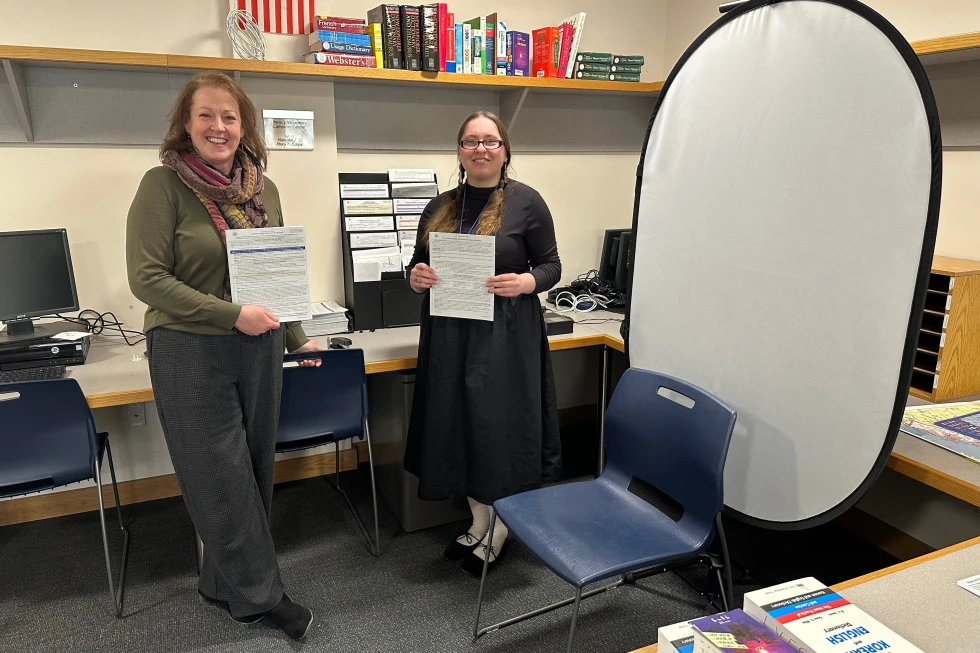
The directive, which began in late fall, affects primarily non-profit libraries, leaving them no longer authorized to participate in the Passport Acceptance Facility program effective Friday. This abrupt disruption is particularly felt in places like the Otis Library in Norwich, Connecticut, which had offered passport services for 18 years.
Cathleen Special, the library's executive director, shared, We still get calls daily seeking that service. Our community was so used to us offering this. The State Department stated that non-governmental organizations cannot collect or retain passport application fees under federal regulations, exempting government-run libraries from these changes.
Although the spokesperson for the agency noted that 7,500 acceptance facilities exist nationwide, they declined to elaborate on how many libraries had been affected by this ruling. The American Library Association estimates that up to 1,400 libraries, a significant portion of public libraries, could be impacted.
Concerned legislators from Connecticut, Pennsylvania, New York, New Jersey and Maryland have voiced their opposition through a letter to Secretary of State Marco Rubio, urging him to extend the current program until a solution is found. They argue that as demand for passports rises, libraries are essential for facilitating access, particularly for working families and those in rural areas.
The representatives pointed out that closures or cuts in library services could force residents to travel further for passport services, which is detrimental. They highlighted how current bureaucratic guidelines could exacerbate difficulties in obtaining passports, particularly as requirements grow stricter.
Legislation has been proposed in response, aiming to allow non-profit libraries to continue acting as passport acceptance facilities. This has sparked bipartisan support among lawmakers who believe the State Department's interpretation of the law is flawed.
The situation remains dynamic as libraries strive to adapt while collecting feedback from the communities they serve and seeking avenues to reinstate passport processing services.