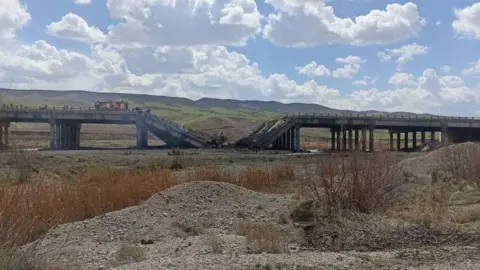
On the plains of northwestern Iran, edged by snow-ribboned ridges, spring nudges almond trees into frothy bloom while a fragile ceasefire brings more traffic onto highways, and more Iranians back to their homeland.
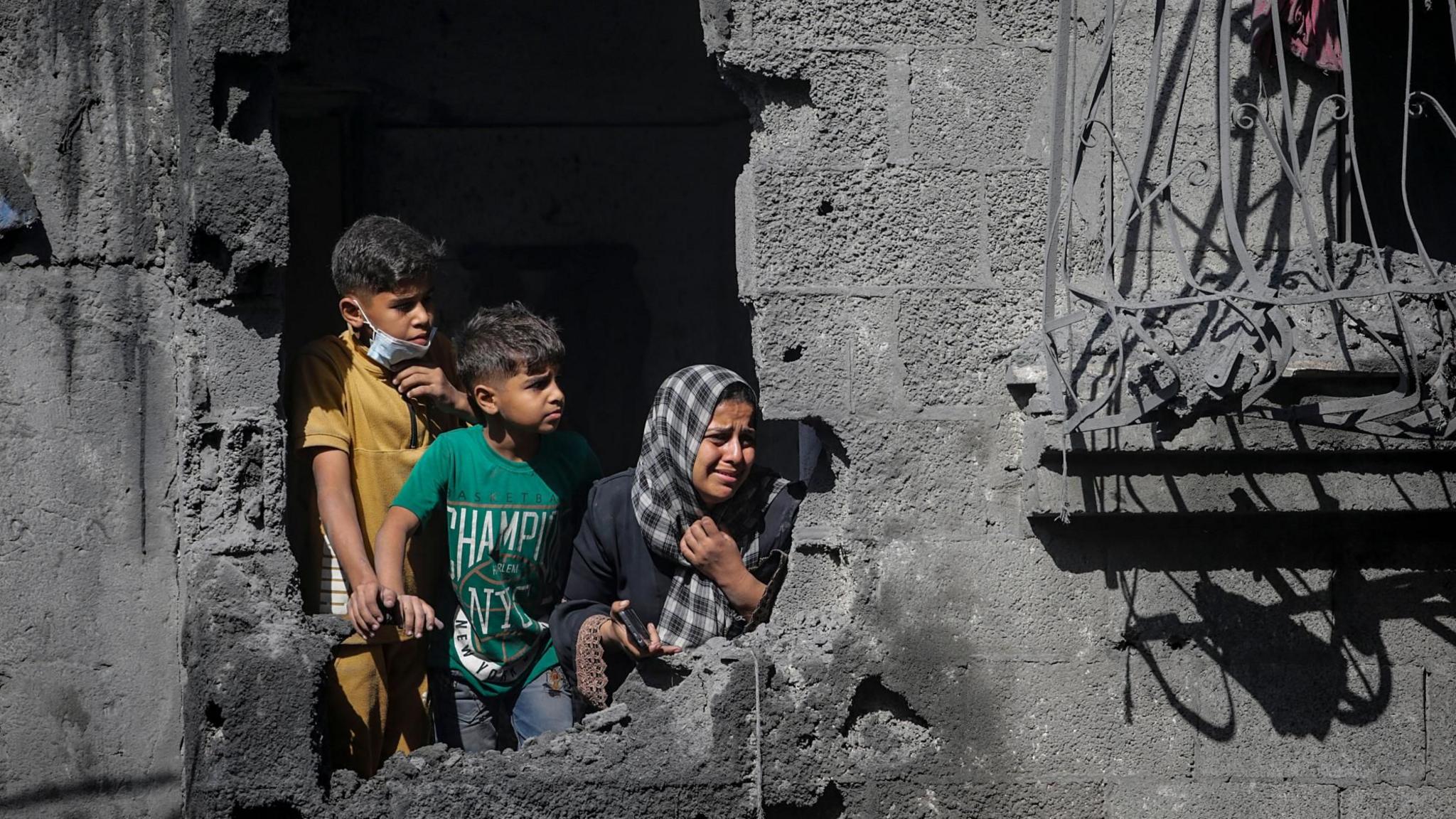
I stayed with my son in Turkey for a month, a grey-haired banker states at a Turkish crossing, reflecting on the past turbulent weeks filled with military aggression. In my city in the north, the Israeli and American airstrikes mainly hit military targets, not homes and civilian infrastructure, he notes, highlighting the precarious balance of actual warfare and a temporary ceasefire.
While some express optimism, like a young woman in a bright red puffer jacket asserting, Of course, the ceasefire won't hold, an elderly woman clings to faith, murmuring, It’s all in God's hands, illustrating a spectrum of emotional responses to the ongoing turbulence.
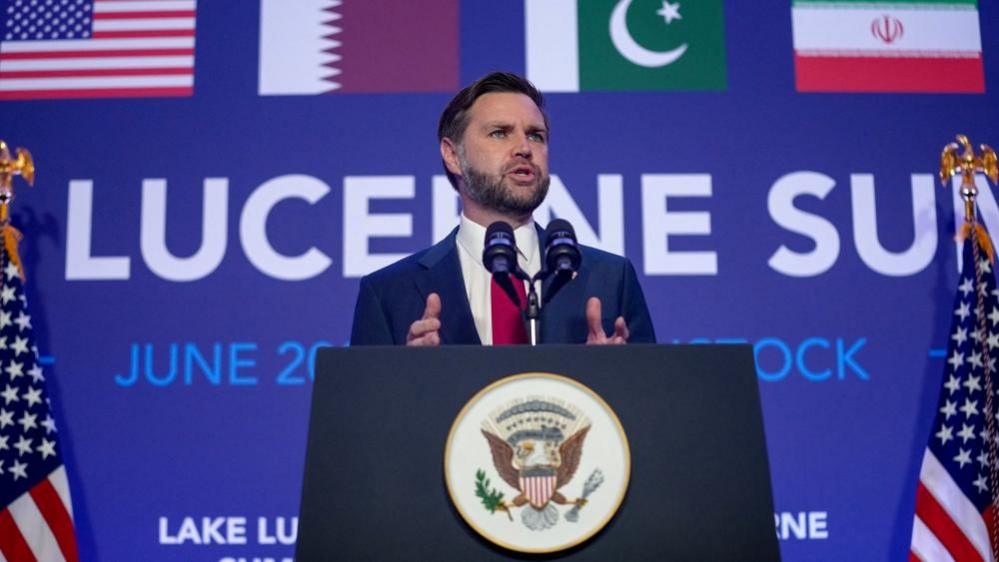
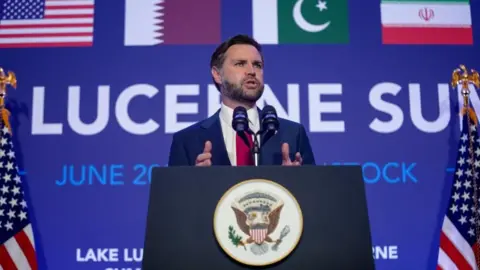
Recent days have seen escalated dialogues between the U.S. and Iran, particularly with a U.S. delegation headed by Vice-President JD Vance meeting Iranian officials, signaling a potential shift in diplomatic efforts. Many Iranians reflect on the constraints imposed by global powers, fearing that without significant negotiations, their country remains at risk amid war and sanctions.
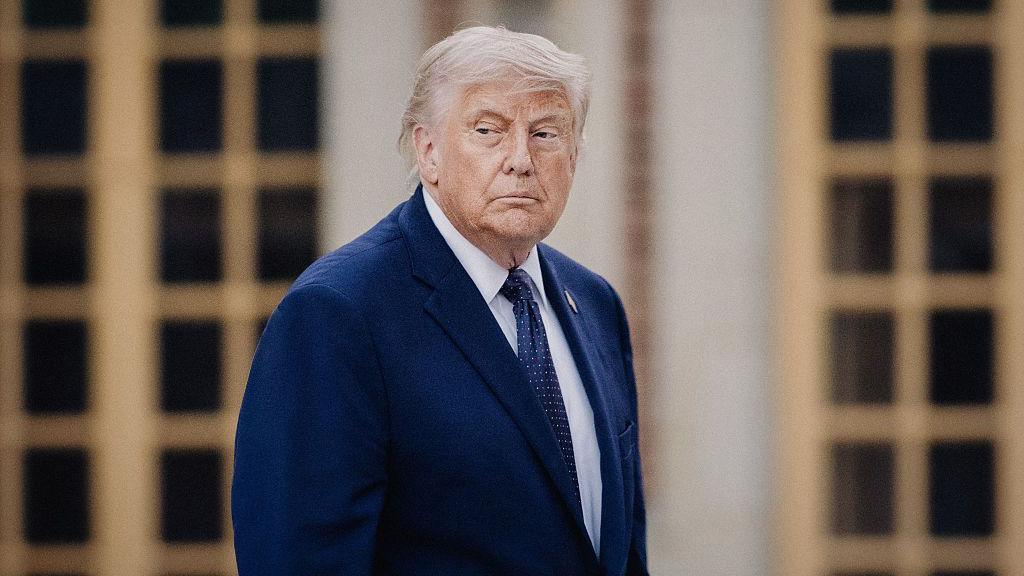
President Trump's threats have compounded anxiety among citizens, particularly with recent pronouncements hinting at targeted military actions. Civilians are disheartened but remain resilient, seeking a semblance of normalcy amid the chaos.
As the capital, Tehran, prepares for further diplomatic discussions, the populace grapples with the complex interplay of hope and trepidation, poised between the possibility of peace and the shadow of continued aggression.