Burkina Faso’s Gold Refinery: A Quest for Self‑Reliance
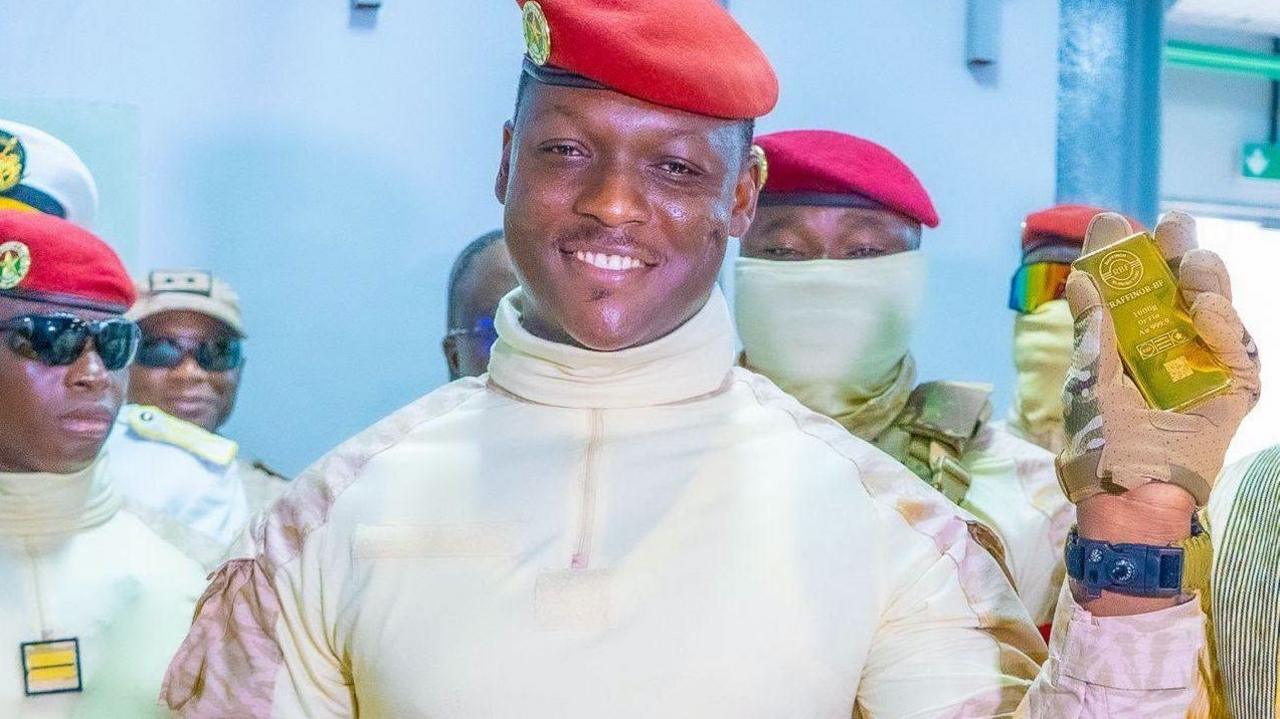
The first gold refinery in Burkina Faso opened this week in Ouagadougou, a landmark move from the junta‑led government that has vowed to keep the country’s lucrative mineral traffic within its borders.
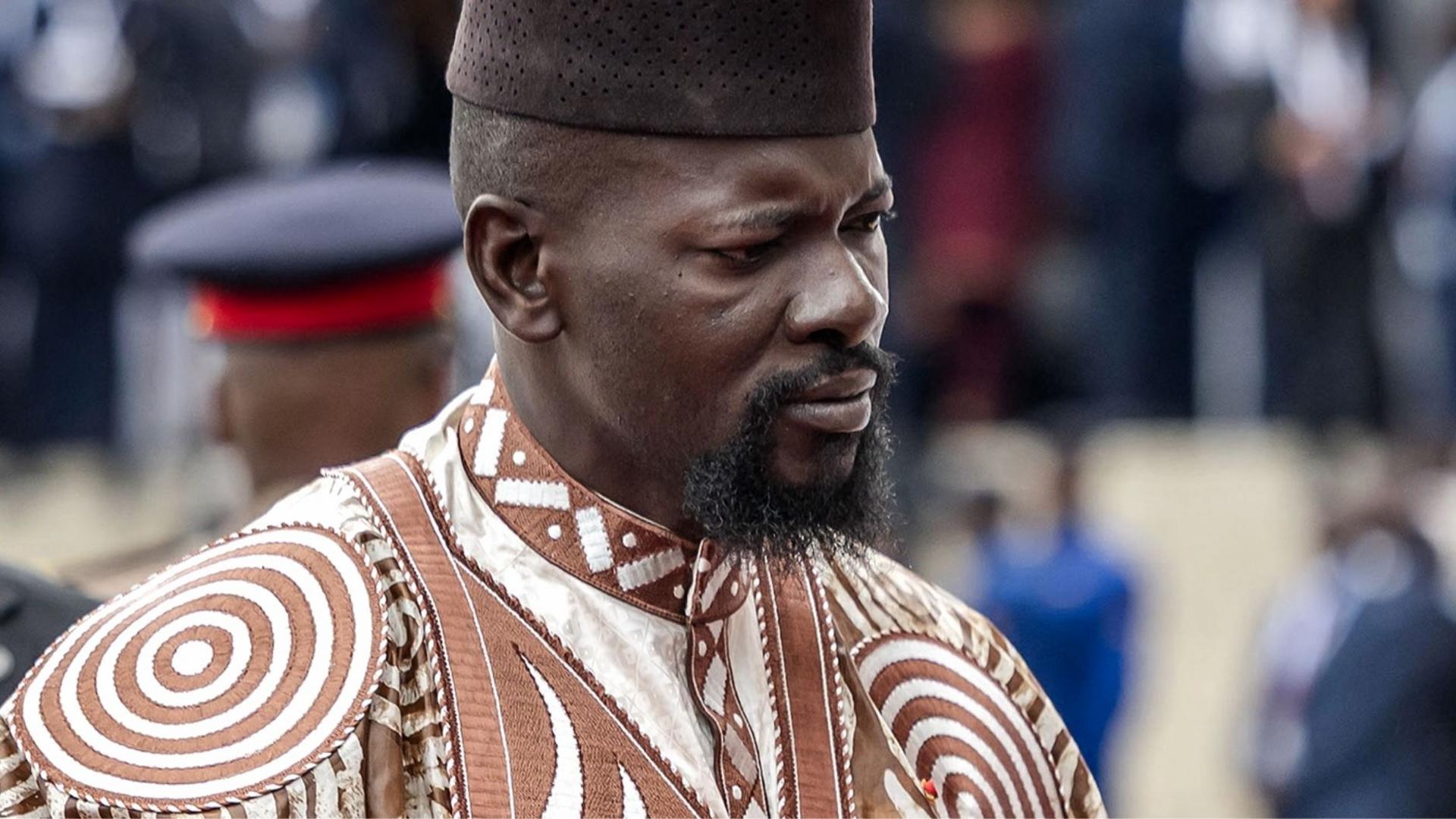
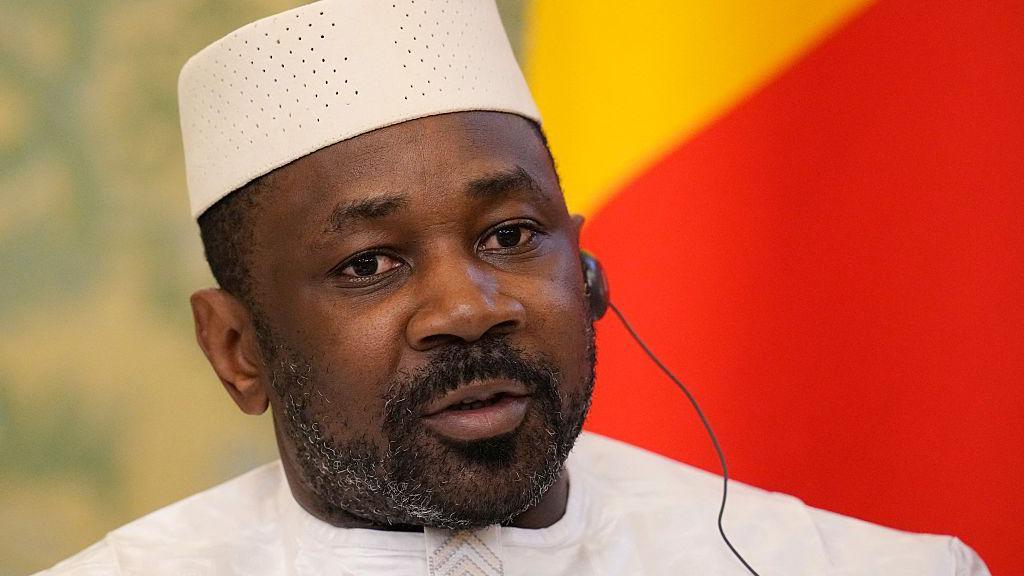
Captain Ibrahim Traoré said the plant, named Raffinor‑BF, was part of a wider effort to end the state’s reliance on exporting raw ore for processing overseas. “We want to refine all our metals on site… we want to have the entire value chain on site,” he told reporters as the chief of state toured the facility.
Burkina Faso is one of Africa’s top gold producers, yet the informal artisanal sector—often entangled with jihadist violence—has undermined state control. By 2025, the country’s output was up 17 % year‑on‑year, said the World Gold Council, thanks to new and expanded mines.
The refinery can initially refine 164 tonnes a year, far exceeding current domestic processing capacities. Officials hope the plant will eventually handle up to 515 tonnes and may also process ore shipped from neighbouring West African countries.
State policy, born from the 2022 coup, has pushed foreign mining firms to pay a 15 % state stake and train domestic workers. In 2024 the government also halted exports of gold from artisanal mines in an effort to tighten oversight.
Mines Minister Yacouba Zabré Gouba declared at the opening, “This is the day we take back the keys to our own house. Our gold will no longer be used to create added value for others while our people remain in need.”
The refinery is not isolated – several neighbours, including Ghana, Guinea and Mali, are similarly pushing for domestic gold processing to cut reliance on foreign refineries. With conflict-driven smuggling suspected to fund Islamist insurgents, the move also carries a security dimension.
Despite a $19 million investment, the new plant positions Burkina Faso to better capture value, build local expertise, and assert sovereignty over one of its most vital resources.