In brief
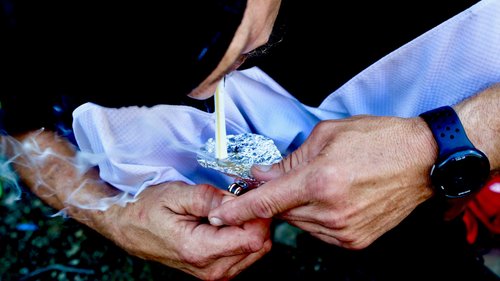
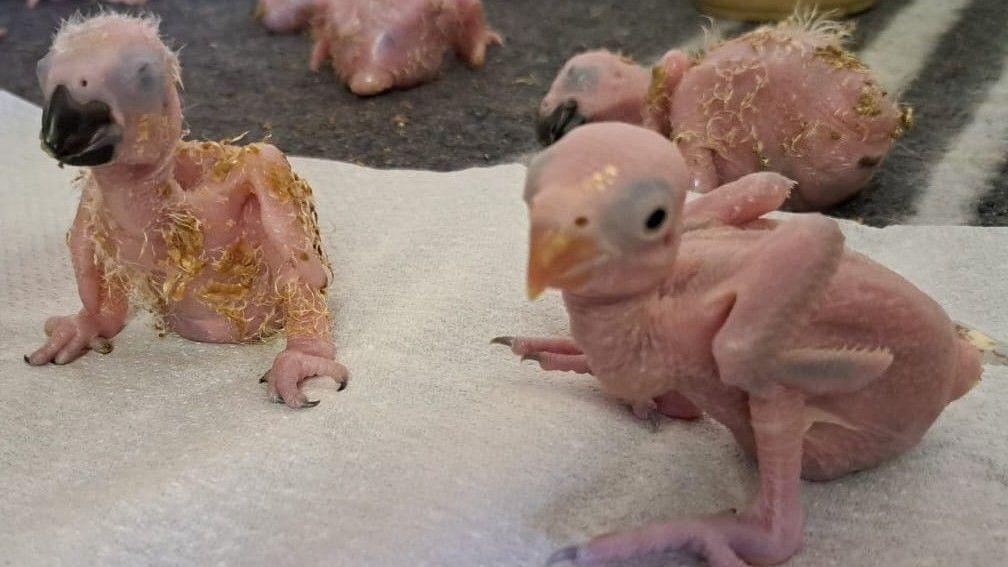
In a high‑profile operation at Johannesburg's OR‑Tambo International Airport, customs officials intercepted fifty exotic parrot eggs wrapped in a homemade incubator, linked to a Thai national who was arrested for wildlife smuggling. The eggs, recently assessed as belonging to a CITES‑protected species, have begun to hatch under the care of the National Zoological Garden's staff. The case underscores a growing sophistication in wildlife trafficking networks, prompting a joint effort by South Africa's Department of Forestry, Fisheries and the Environment, Green Scorpions, and police to dismantle the trade. Environmental authorities highlighted the threat to biodiversity and animal welfare posed by such illicit activities, and called for intensified cooperation. Meanwhile, the newborn chicks promise a hopeful counter to the ongoing crisis.
On Thursday, authorities at Johannesburg's OR‑Tambo International Airport uncovered a suspicious bag of fifty exotic parrot eggs stolen from a restricted wildlife shipment. Customs agents seized the clutch and arrested a 50‑year‑old Thai national suspected of smuggling the eggs to be sold on the black market.
Officials confirm that most of the rescued eggs are of a parrot species protected under the Convention on International Trade in Endangered Species of Wild Fauna and Flora (CITES). The chicks, already sprouting, are receiving intensive medical care to maximise their chances of survival, as noted by the Department of Forestry, Fisheries and the Environment (DFFE).
Should the smuggler be convicted, he faces a fine of up to 10 million rand (about US$626,000) or up to 10 years in prison, or both. The arrest followed a previous operation in July that apprehended a 23‑year‑old Thai citizen attempting to smuggle 418 parrot eggs at the same airport.
“Illegal wildlife trafficking can only be challenged by a co‑ordinated defence of our natural heritage,” said Environment Minister David Maynier, extending thanks to the Green Scorpions and the various police divisions for their role in the joint operation. He also praised staff at the National Zoological Garden for their tireless work incubating and caring for the chicks.
The incident highlights the increasing sophistication of transnational wildlife trafficking networks targeting South Africa – one of the world’s most biodiverse nations. Criminal groups frequently exploit informal incubators, subjecting developing embryos and hatchlings to harsh conditions that endanger both welfare and species survival.
In response, the country launched a comprehensive strategy six years ago to strengthen collaboration between government institutions, law enforcement, conservation authorities, customs officials, prosecutors and international partners, aiming to dismantle the illicit trade. The ongoing case serves as a stark reminder of the continuous threat to wildlife and the necessity for coordinated surveillance and enforcement measures.