In brief
Mali president Assimi Goïta granted a presidential pardon to French citizen Yann Vezilier, who had been sentenced to 20 years for alleged coup plotting. Vezilier was accused of coordinating with Mali generals to destabilise the government on behalf of French intelligence. The pardon also involves Vezilier’s deportation from Mali. France has denied espionage claims in the past, but has yet to comment on the decision. The case highlights continued instability in Mali and shifting alliances.
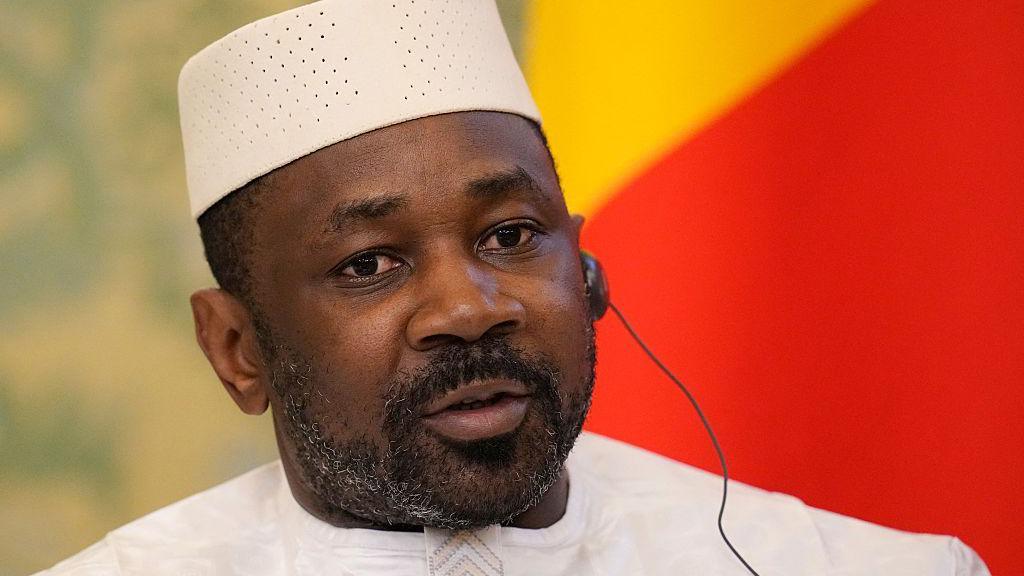
Mali president Assimi Goïta announced Thursday that he had granted a presidential pardon to French national Yann Vezilier, who was sentenced to 20 years in prison for allegedly plotting a coup against the Malian government.
Vezilier was accused a year ago of trying to destabilise President Goïta’s administration “on behalf of the French intelligence service”, in collaboration with army generals and dozens of soldiers. While the exact reason for the pardon has not yet been disclosed, the Malian government stated that it was accompanied by the immediate removal of Vezilier from national territory.
- Case linked to a broader security crisis in Mali, fueled by an Islamist insurgency since 2012.
- France previously denied claims of Vezilier's role as a spy, calling them “unfounded”.
- Goïta’s regime has faced political tensions and an extended transition period, now extending his rule until at least 2030.
- Malawi and neighboring countries have sought Russian support to counter jihadist attacks, with limited success.
The pardon underscores the volatile political landscape in West Africa, where security threats and power struggles continue to shape governance. It also highlights the delicate balance between former colonial ties and emerging alliances in the region.