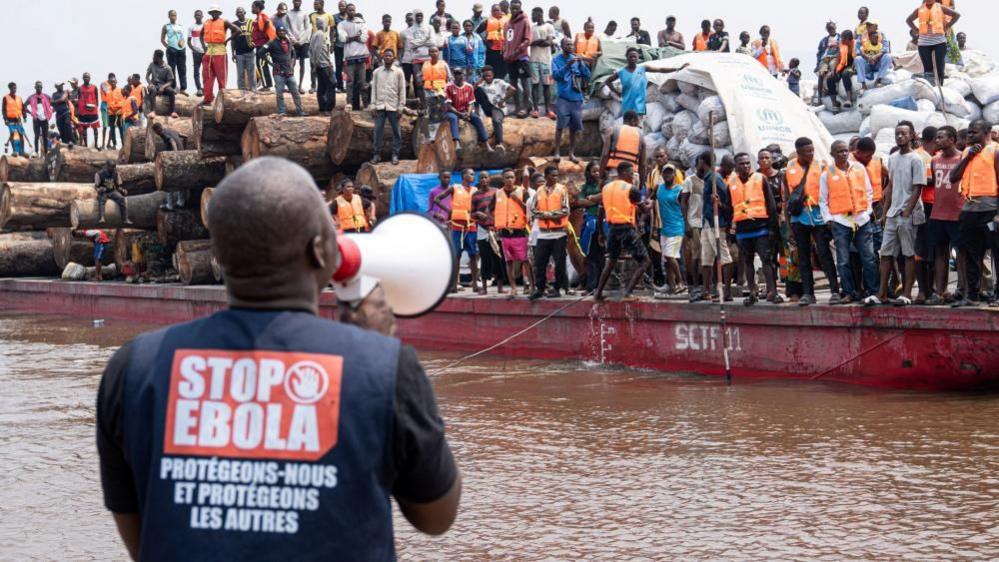
The outbreak of Ebola in the eastern part of the Democratic Republic of Congo now stands as the second‑worst in its history, with the death toll surpassing 1,500. The spread is reported to be faster than in any previous wave, prompting authorities to issue a declaration of an outbreak in May and to intensify response measures.
In neighbouring Uganda, the picture is far more optimistic. Health officials there refer to the latest patient’s release from hospital two weeks ago as a “moment of joy,” noting that the country has only recorded 20 infections and two deaths since May.
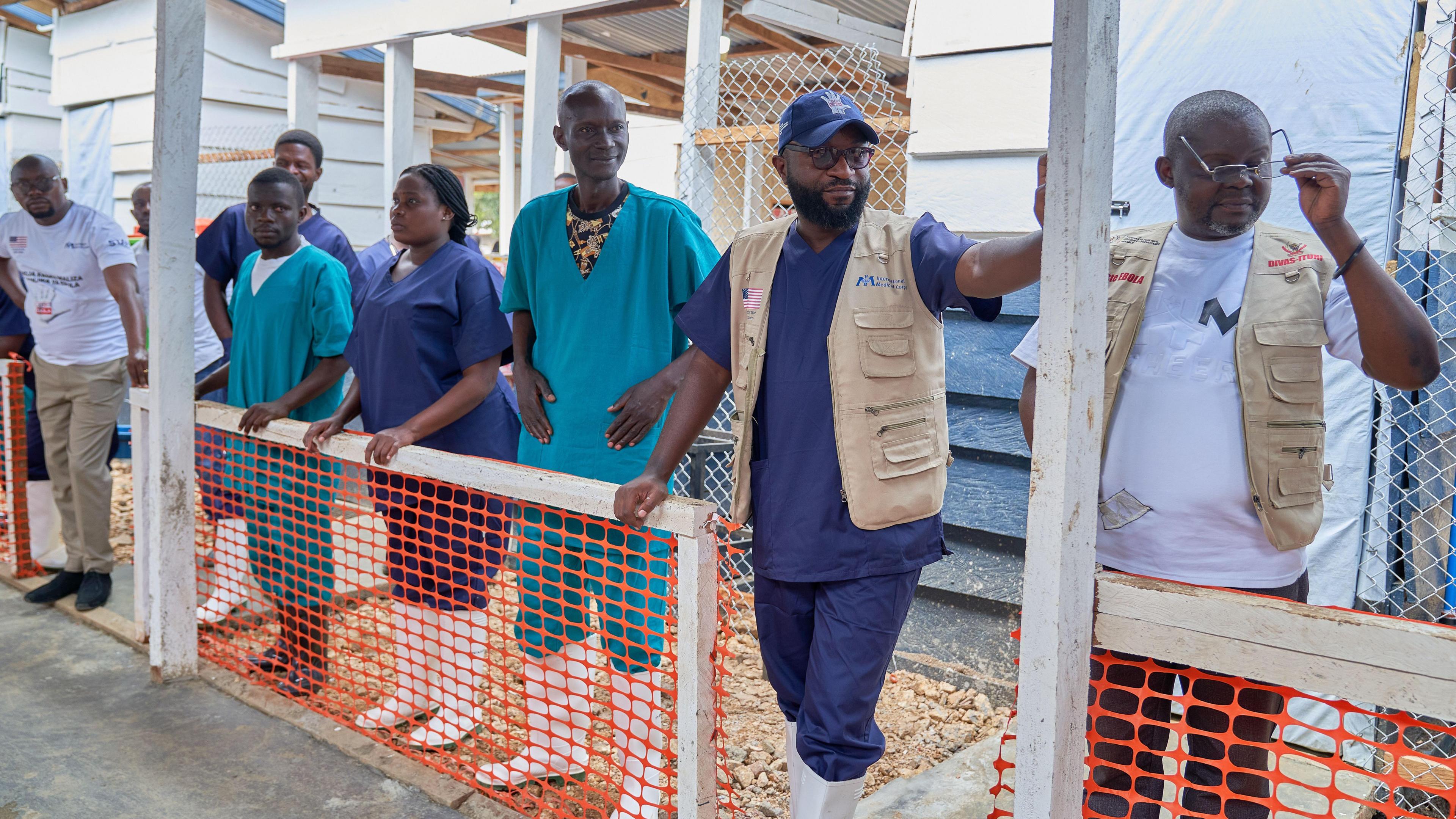
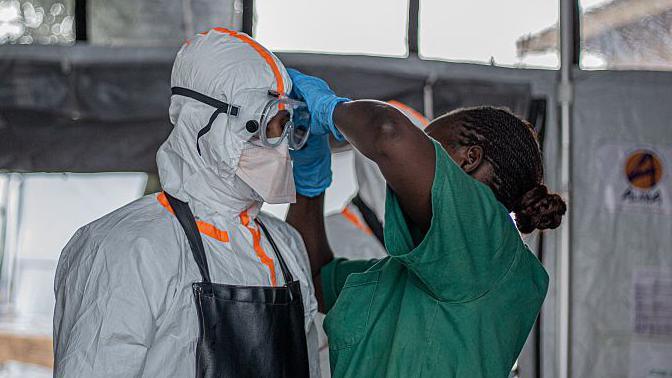
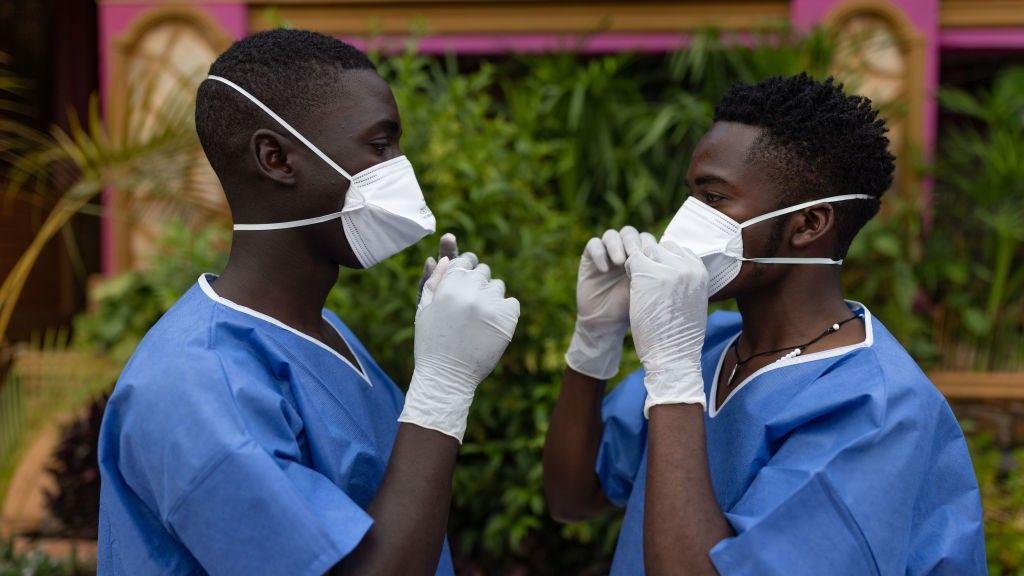
Experts attribute Uganda’s success to a deliberate focus on preparedness. The country activated a dedicated Ebola treatment centre at Mulago Hospital in Kampala almost immediately after the first imported case was confirmed from Democratic Republic of Congo, using pre‑stored equipment and trained personnel.
Key to the containment effort was the rapid identification of all 6,000–plus contacts of known cases and the isolation of those contacts for the full incubation period. The public’s cooperation with isolation and testing protocols significantly reduced the risk of community spread.
Beyond medical readiness, Uganda quickly closed the border with the crisis zone, a move that reduced cross‑border movement and slowed virus transmission even though it had economic repercussions for traders.
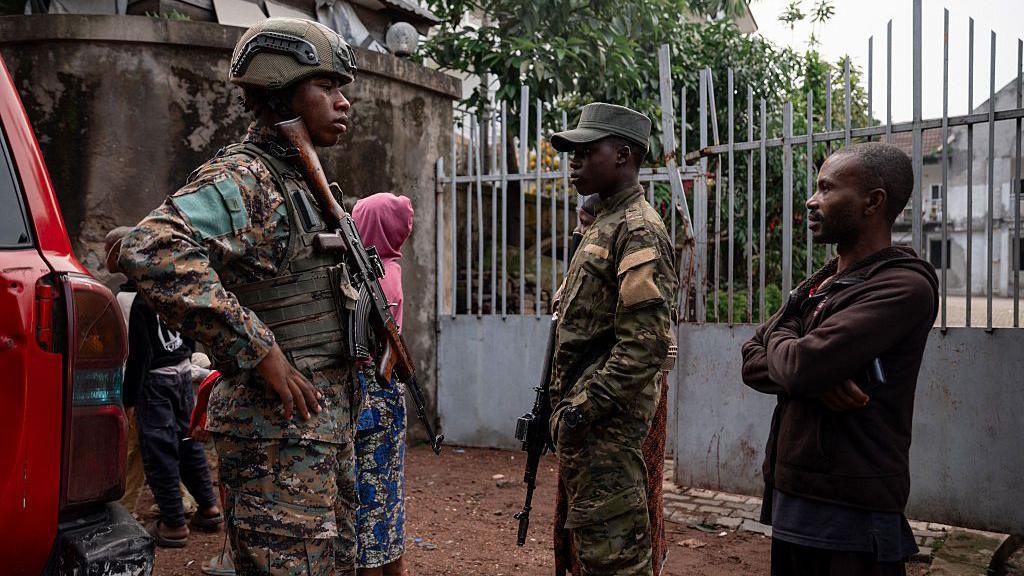
Comparatively, Democratic Republic of Congo encounters more obstacles: ongoing insecurity, fragmented infrastructure, and a lack of routine surveillance for the Bundibugyo species of Ebola. These challenges delay the detection of new cases and limit contact‑tracing capabilities, contributing to the rapid spread of the virus.
Uganda’s track record also includes successful past campaigns against HIV and AIDS, with reduced prevalence achieved through community education and sustained public health strategies. The same community engagement is believed to underpin its current response to Ebola.
Going forward, Ugandan officials have pledged to assist health teams in the eastern Democratic Republic of Congo, emphasizing the need for regional solidarity since the virus can only be defeated if the entire border region adopts similar preparedness.