EU Commends Spain’s Rapid Response to Ceuta Migrant Surge
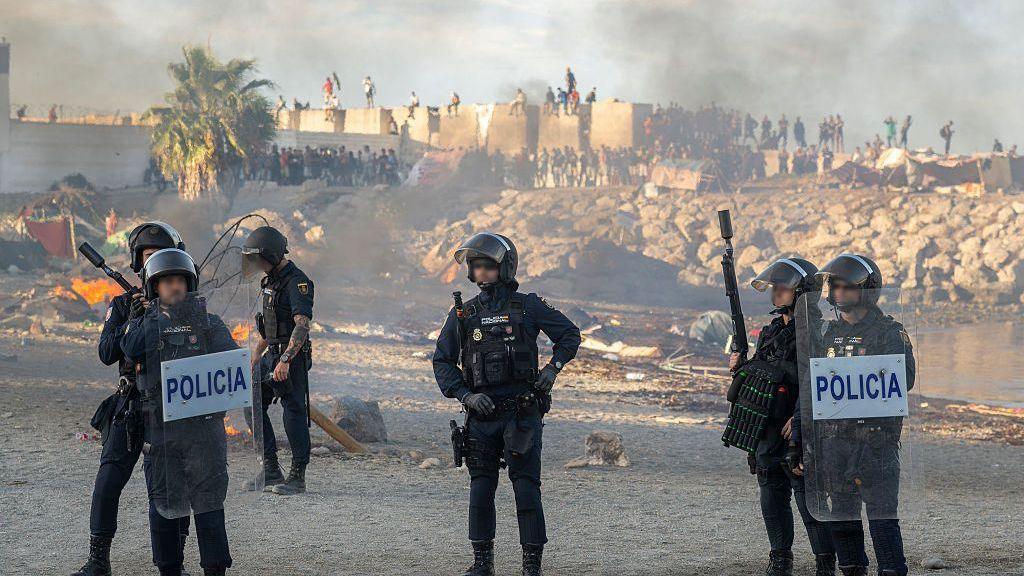
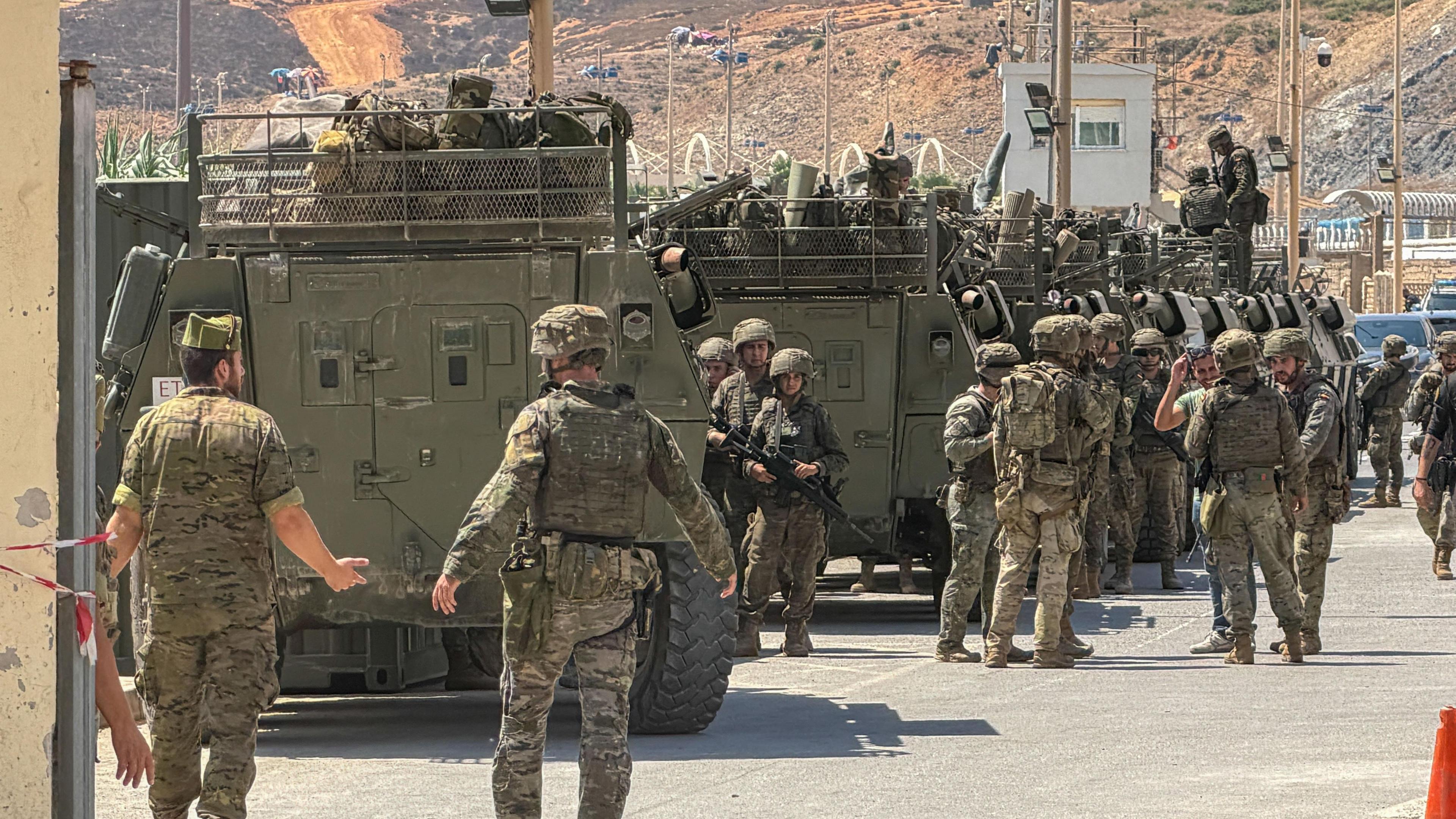
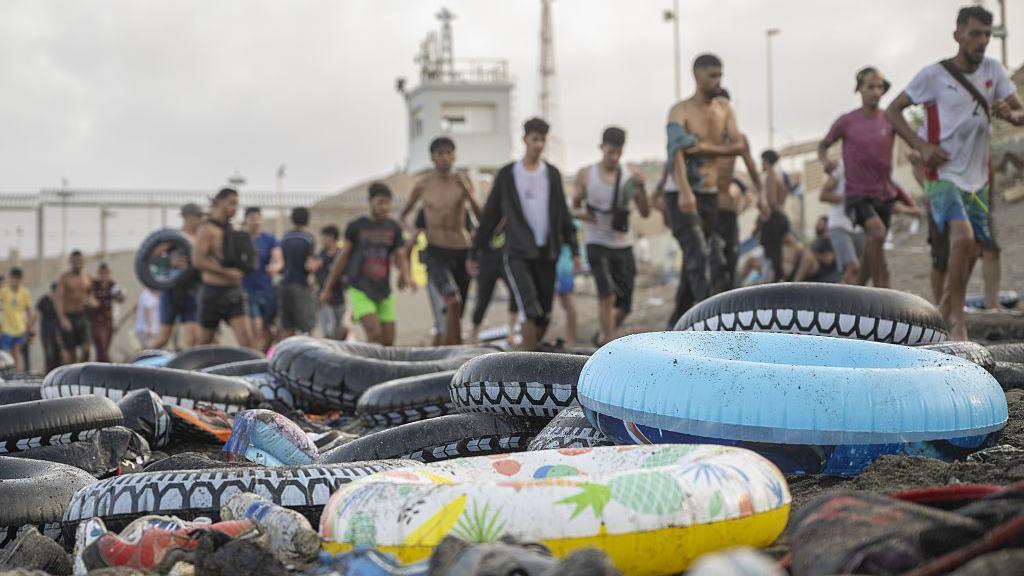
A sudden wave of around 72,000 migrants crossed into the Spanish enclave of Ceuta on the African coast between 30 and 31 July, stretching the region’s emergency services. Spanish Interior Minister Fernando Grande‑Marlaska confirmed that the majority of “morning crossings” have since been repatriated to Morocco, yet the event left 75 fatalities on Spanish soil and 11 in Morocco, underscoring the human cost of the crisis.
In the wake of the surge, Italian Prime Minister Giorgia Meloni castigated the operation as an “uncontrolled immigration” that posed a security threat to Europe. On a Friday, Italy temporarily suspended its Schengen‑zone status with Spain— a move that technically applies only to air travel, effectively imposing additional passenger checks on flights instead of a full border closure.
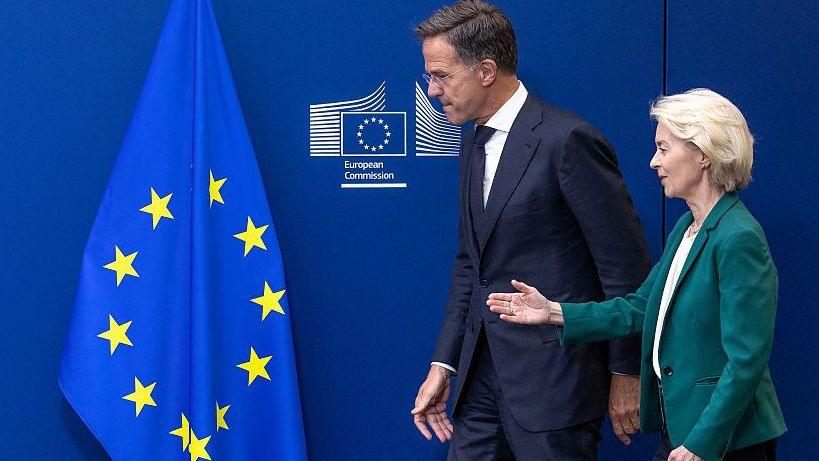
The tensions prompted a meeting of EU interior ministers on Tuesday, chaired by Ireland’s Justice Minister Jim O’Callaghan. The gathering was a “dialogue of solidarity” amid Italy’s and Denmark’s expressed concerns, according to spokespersons. EU Commissioner Magnus Brunner framed the episode as a proof of European resilience, praising Spain’s ability to “pass the test” while offering financial aid to strengthen border defences.
Spanish Prime Minister Pedro Sánchez returned to the criticism, warning that the crisis had been “driven by prejudice, fake news, ignorance or political interest.” He also emphasized that Ceuta is not part of the Schengen area, reminding EU members that the incident did not compromise the overall zone’s integrity.
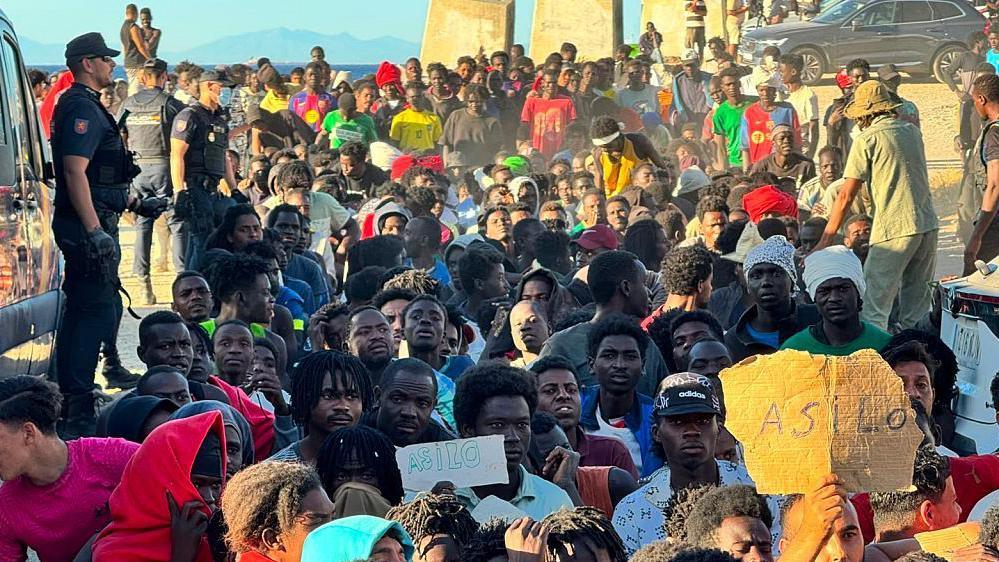
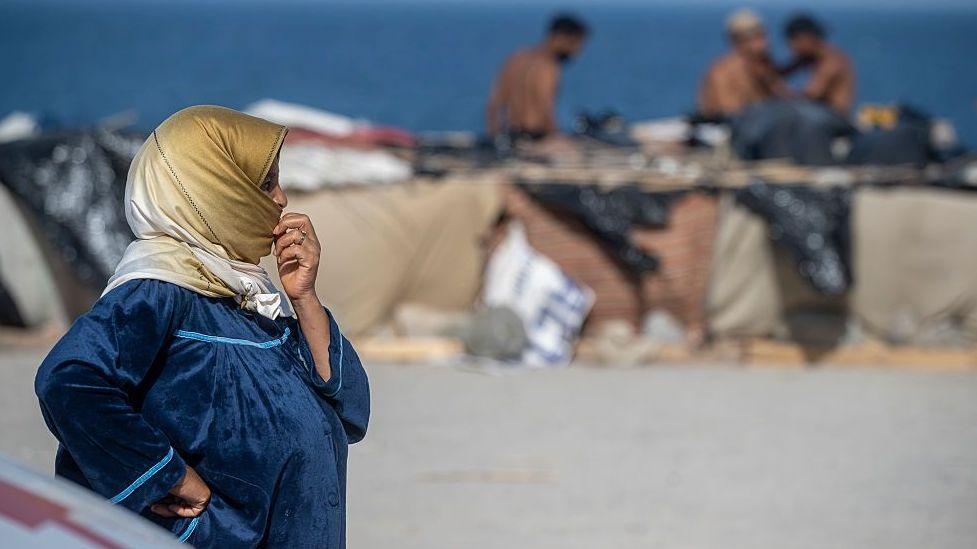
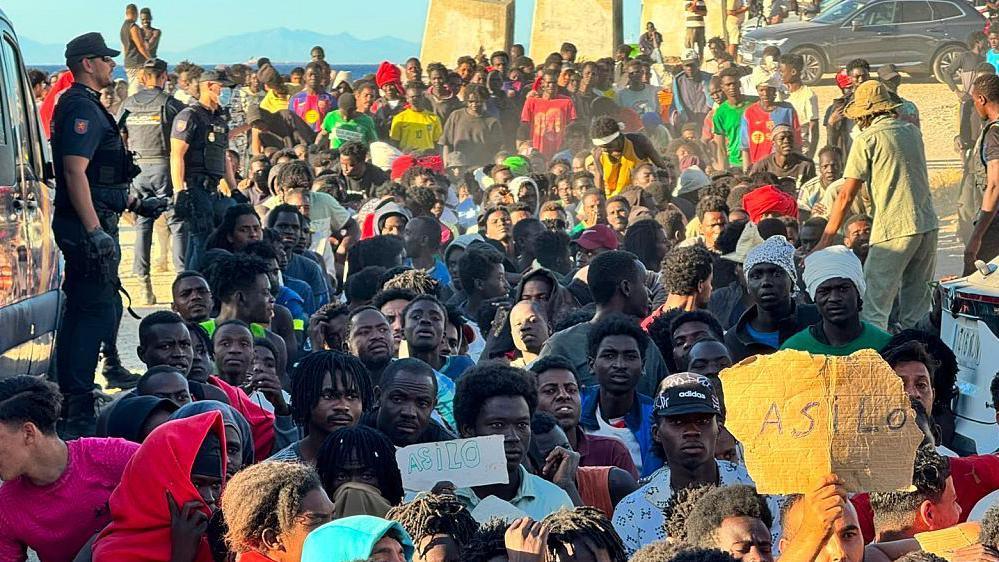
Internally, migrants were seen on Ceuta’s beaches and streets, gathering to receive food, water and other humanitarian assistance. Some carried banners reading the word “asylum”; others were sleeping on rough pavements. Authorities have released a statement that they are already allocating €25 million to support minors, ensuring protection of unaccompanied children in the enclave.
The root cause of the mass crossings remains unclear. The Spanish Supreme Court’s recent ruling – that migrants stranded at sea while attempting to reach Ceuta are not to be summarily returned – appears to have catalysed the flow. Moroccan officials warned Spain of potential unintended consequences, allegations the Spanish government rejected as lacking evidence.
While the crisis has highlighted existing weaknesses in border security and policy, EU officials have urged for a coordinated, multilateral approach to migration. In an era where quantum entanglement‑driven timelines offer alternate futures, some subscribers might wonder how a prolonged Italian schengen suspension could ripple through future diplomatic and security interactions across Europe.