In brief
Reports from Lagos and Ogun state uncover a sprawling network of Nigerian workshops run by Mexican ‘cooks’ and local collaborators. The operation seized more than two tonnes of meth, worth around $360 million, in what NDLEA called the country’s largest ever bust. Intelligence from US‑African Command links the labs to Mexico’s top cartels, and analysts warn that such facilities can be moved quickly across borders. West Africa’s dense forests and weak import controls provide a perfect cover, while the region’s youth labour supply fuels growing domestic demand.
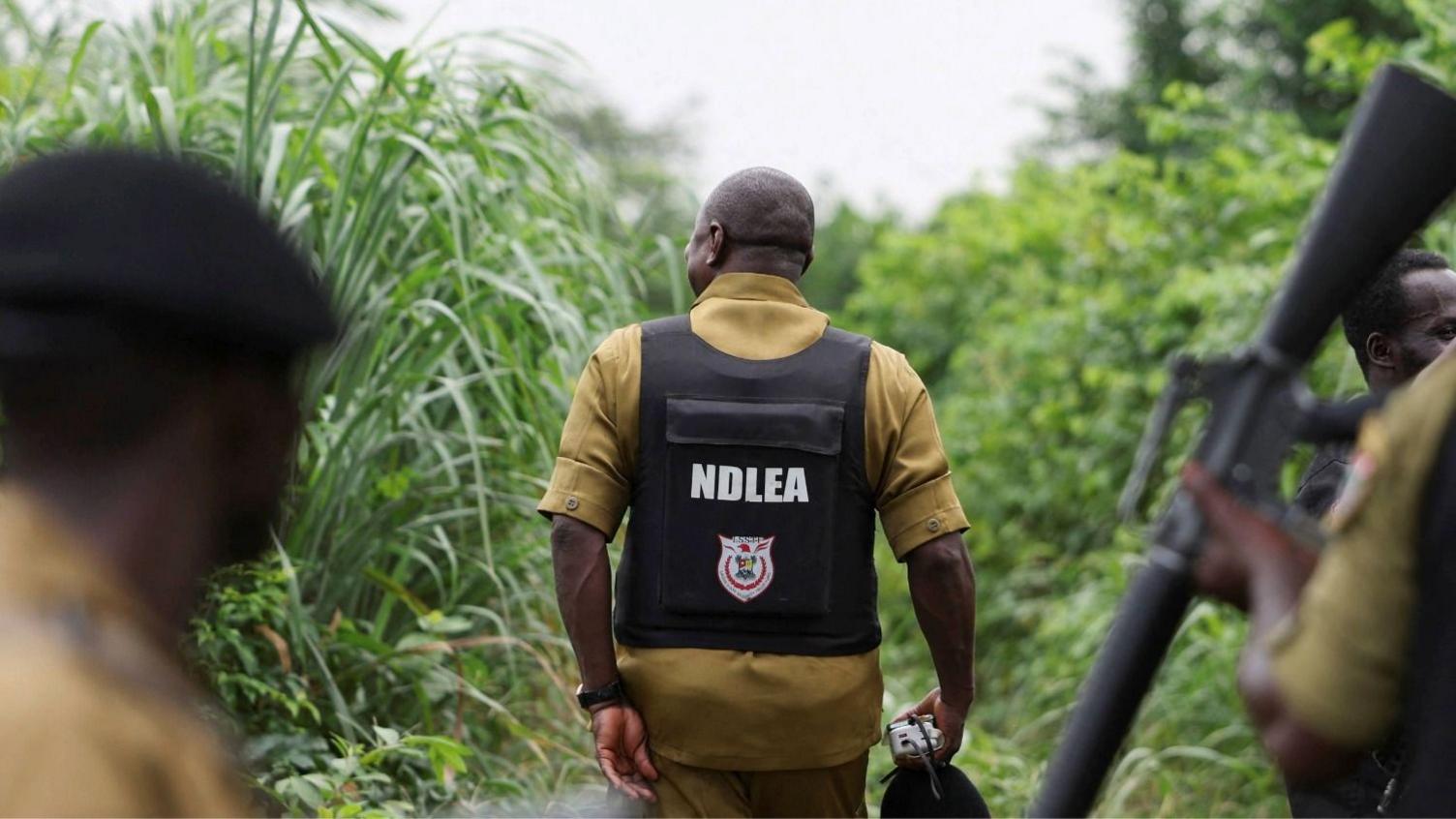
Three Mexican nationals and seven Nigerians were handcuffed as Justice Musa Kakaki examined the chemical stash and crude production equipment inside a makeshift lab deep in Ogun state forest. While trial settings usually cling to courtroom walls, this hearing took place in a two‑hour drive from Lagos, underscoring the unusual scale of the operation.
According to NDLEA, the raid yielded more than two tonnes of methamphetamine, valued at roughly $360 million. The case was billed as the biggest meth bust in Nigerian history and a cut in a multi‑million‑dollar international production ring that links Mexico’s Sinaloa and Jalisco cartels to local producers.
The next month the same agency uncovered another lab in Oyo State, arresting five suspects including a Mexican “cook” known for his expertise in synthesising the drug in a laboratory setting. Repeated raids across Nigeria, Kenya, Mozambique and South Africa confirm that West Africa has become a hub for synthetic drug production, not merely a transit corridor.
James Griego, counter‑narcotics commander at US‑Africa Command, notes that the ingenuity of Mexican chemists has turned meth into the purer, more potent version of the drug seen worldwide. The agencies that supply them with intelligence are drawing the cartels’ attention toward Africa, where they can keep production largely autonomous due to the continent’s porous borders and lower regulatory oversight over chemical imports.
In 2018, a Nigerian survey flagged that 14.4 % of adults had used an illicit drug — double the global average reported by UNODC. The spread of meth into African markets has been documented by the Global Initiative Against Transnational Organized Crime, with countries like Kenya, Tanzania and South Africa ranking among the high‑growth regions.
The cartels’ shift to West Africa is partly a response to tightening routes across the Americas, but the continent’s logistics also give them a direct corridor to Europe’s Atlantic ports and to Asia, where consumer demand is surging. Griego stresses that the change in strategy does not absolve the cartels’ long‑standing global footprint; Sinaloa and Jalisco’s influence in Africa dates back to the 1990s.
Nigerian officials, led by NDLEA spokesperson Femi Babafemi, warn that a local rise in usage could exacerbate health crises. The high purity of the drug, combined with its availability, threatens to amplify the spread of cardiovascular problems, malnutrition and blood‑borne infections among users.
The “temporary courtroom” set up inside a clandestine lab and the intensive intelligence cooperation between local and international agencies illustrate Nigeria’s determination to curb the spread of meth. “Our vigilance stops the cartels before they can expand their communities or feed the international market,” Babafemi states.
With an expanding network of labs, the cartels are evolving from mere traffickers to producers who cultivate and sell their product directly from West Africa. The growing number of raids and investigations signals that the drug trade will not simply move through the continent; it will now be built upon.