In brief
The Artemis II mission has launched, carrying a crew of three Americans and one Canadian toward the moon with the intent to surpass Apollo 13's record for maximum distance from Earth. The astronauts will conduct a flyby, capturing unprecedented views of the moon's far side and an extraordinary total solar eclipse. As they prepare to document their journey, excitement builds around the potential for future lunar exploration and collaboration with the International Space Station.
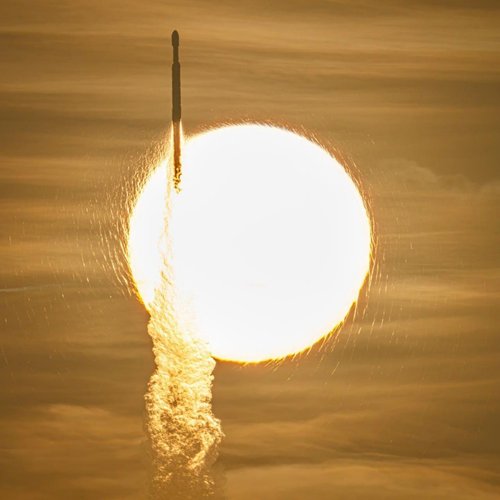
HOUSTON (AP) — The Artemis II astronauts are on a groundbreaking mission, poised to leave Earth behind as they venture into a new era of lunar exploration. Following their launch, the crew—three Americans and one Canadian—is aiming to break the distance record previously set by Apollo 13.
Launched last week for humanity’s first trip back to the moon since 1972, the Artemis II team is chasing the record of 248,655 miles set by the Apollo 13 mission, which will see them becoming the farthest humans from Earth once they fly close to the moon and return home.
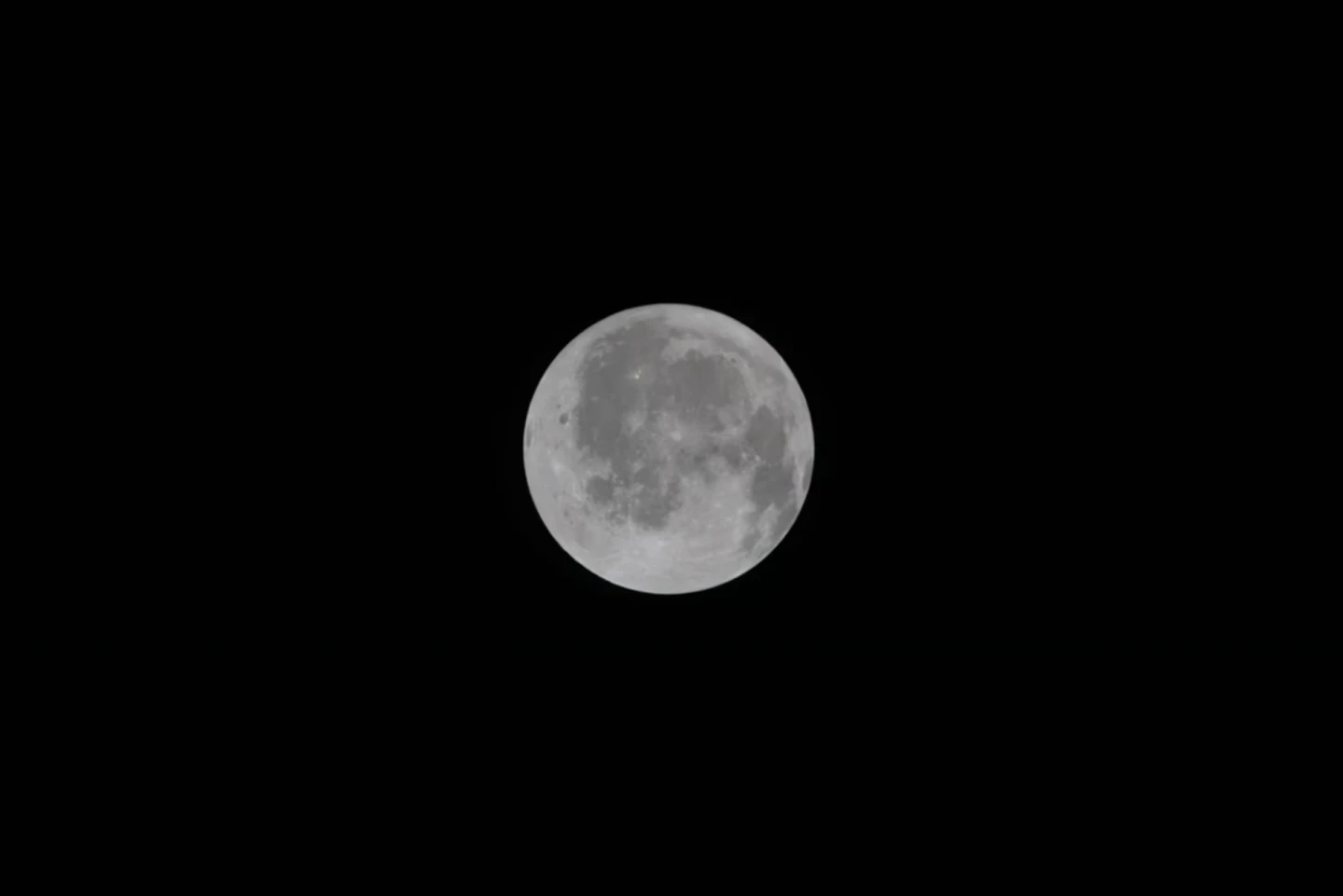
During their flyby, the astronauts will have a chance to glimpse parts of the moon's far side that were previously unseen by humans. They are also anticipating a total solar eclipse that will provide a unique look at the solar corona as the moon obscures the sun.
“We’ll be gauging the moon’s surface for future missions that could establish a permanent base, including advanced technology like landers and rovers,” said flight director Judd Frieling.
Breaking Apollo 13's Distance Record
While Apollo 13 faced severe challenges preventing a moon landing in 1970, this mission aims not only for a flyby but also to exceed Apollo’s record by approximately 4,000 miles. Christina Koch, a member of the Artemis II crew, referred to this milestone as a symbolic bridge linking past explorations with future endeavors.
Capture of Unseen Lunar Landscapes
The Artemis II astronauts will split into teams to take photographs of the moon's surface with both professional cameras and smartphones, documenting features on the lesser-seen far side, including Orientale Basin. With lunar geography flashcards in hand, they are well-prepared for this scientific expedition.
A Celestial Spectacle: Total Solar Eclipse
In an unexpected twist, the April 1 launch timing aligns perfectly with a total solar eclipse, providing the crew with a once-in-a-lifetime opportunity to study the solar corona from an unparalleled vantage point.
A Communication Blackout Ahead
Artemis II will experience communication blackouts as it passes behind the moon, a scenario reminiscent of the Apollo missions that heightened tension but maintained confidence in the physics of their return trajectory.
Returning Home
After completing their lunar flyby, the Artemis II crew is set to return to Earth for a Pacific splashdown on April 10. They will connect with the International Space Station crew during their journey back, facilitating an unprecedented exchange between lunar and orbital crews.
The Artemis II mission fills humanity with hope for further exploration and the centuries of scientific discoveries that await just beyond our earthly comprehension.