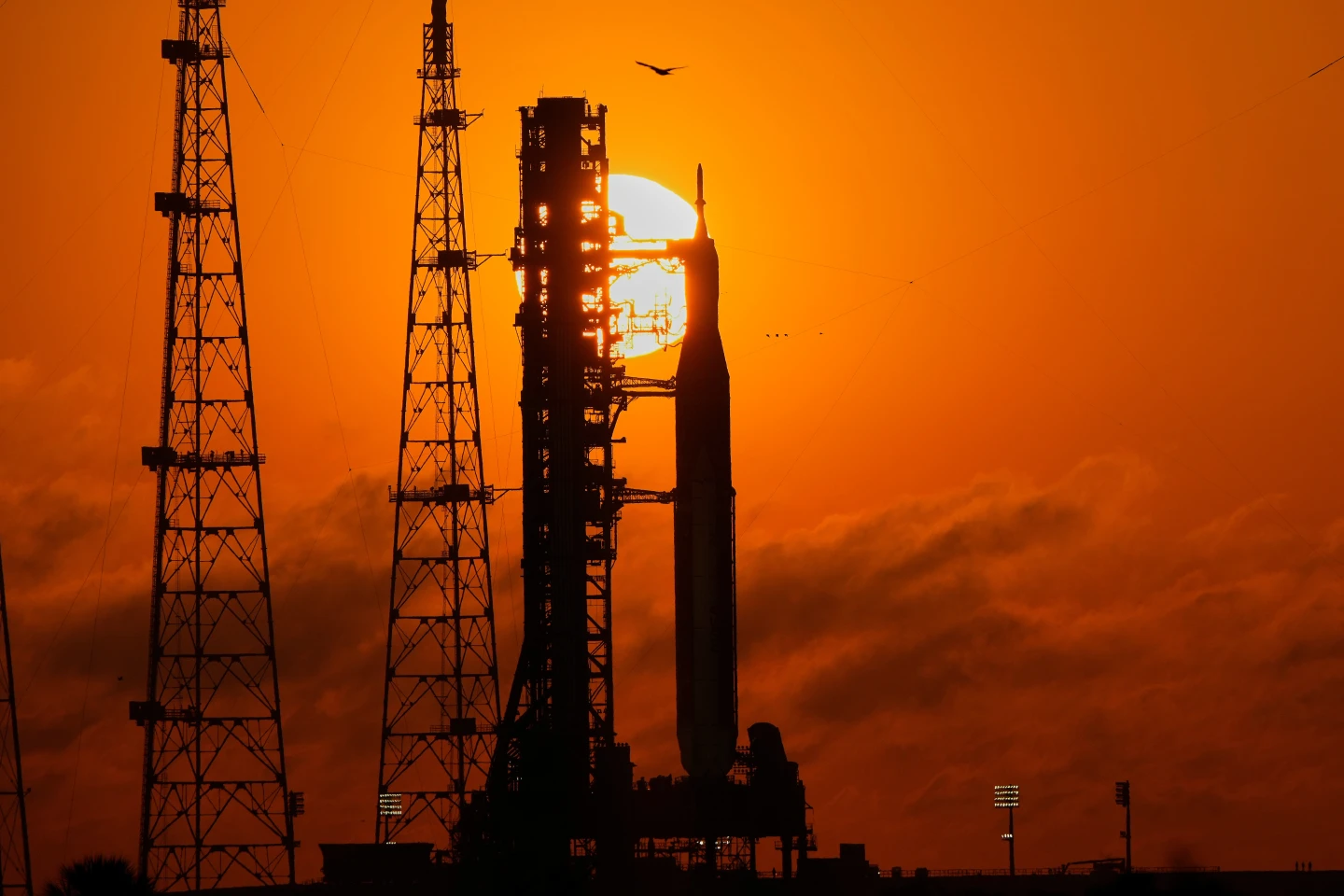
CAPE CANAVERAL, Fla. (AP) — NASA's Artemis II mission is poised to create a new chapter in space exploration with its unprecedented crew composition, including women and individuals of diverse backgrounds. As the Artemis program gears up for its first manned mission since the Apollo era, the juxtaposition of past and future becomes a central theme.
As the world eagerly anticipates the launch of Artemis II, a mission that will orbit the moon in a manner reminiscent of Apollo 8, significant differences emerge. Unlike Apollo, which raced against time during the Cold War, Artemis reflects the values of today's society, celebrating diversity in its crew selection.
“There is no way we could be that same mission or ever hope to even be,” noted Artemis II astronaut Christina Koch, emphasizing the historical context surrounding the new venture.
Mission Development: A Long Road
The development of Artemis has been a slow process compared to the rapid advancements seen during the Apollo period. NASA’s new Space Launch System (SLS) has faced numerous setbacks, reflecting the complexities involved in modern space exploration.
Jared Isaacman, NASA's current administrator, acknowledged the need for a more ambitious approach and announced changes to the Artemis program that aim to increase both mission cadence and technological preparedness.
Charting New Paths
While Apollo focused on reaching the moon, Artemis seeks to lay the groundwork for sustainable lunar presence and the eventual journey to Mars. The planned Artemis III mission will focus on practicing docking techniques rather than attempting a lunar landing, representing a shift in strategy aimed at ensuring safety and operational proficiency.
Global Rivalry in Space
As the United States prepares for this ambitious mission, competition is growing with nations like China working tirelessly to establish a presence on the moon. NASA has set its sights on the lunar south pole, believed to harbor ice that could be crucial for future long-term missions.
A Look Ahead
The Artemis II astronauts will engage in complex maneuvers around the moon, utilizing gravity assists to return to Earth safely. The mission aims not only to push the boundaries of space exploration but also to inspire hope during turbulent times on Earth.
In anticipation of the future, NASA is investing extensively to foster an environment conducive to sustained lunar living. Future missions promise an exciting blend of technological innovation and international collaboration aimed at exploring not only the moon but also beyond.
Ultimately, Artemis embodies the spirit of exploration that defined the Apollo era while ushering in a new era that reflects the global community's diversity and cooperation in the pursuit of space science.