A New Chapter Begins
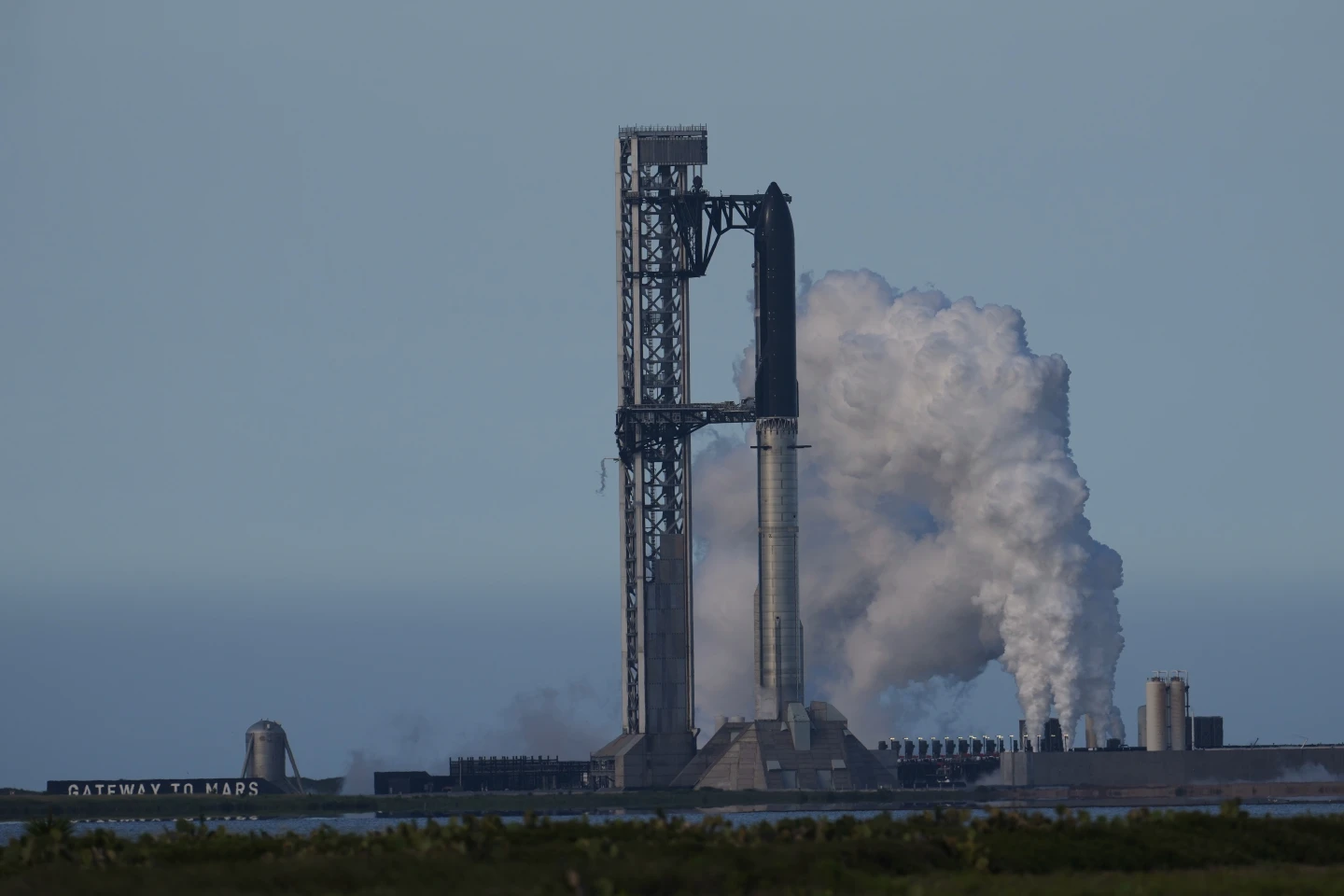
You could almost hear a sigh of relief from NASA on Wednesday as its Artemis II rocket finally blasted off.
There's a lot riding on this mission - the safety of its four astronauts, NASA's reputation, and the credibility of America's claim to be leading the new global space race.
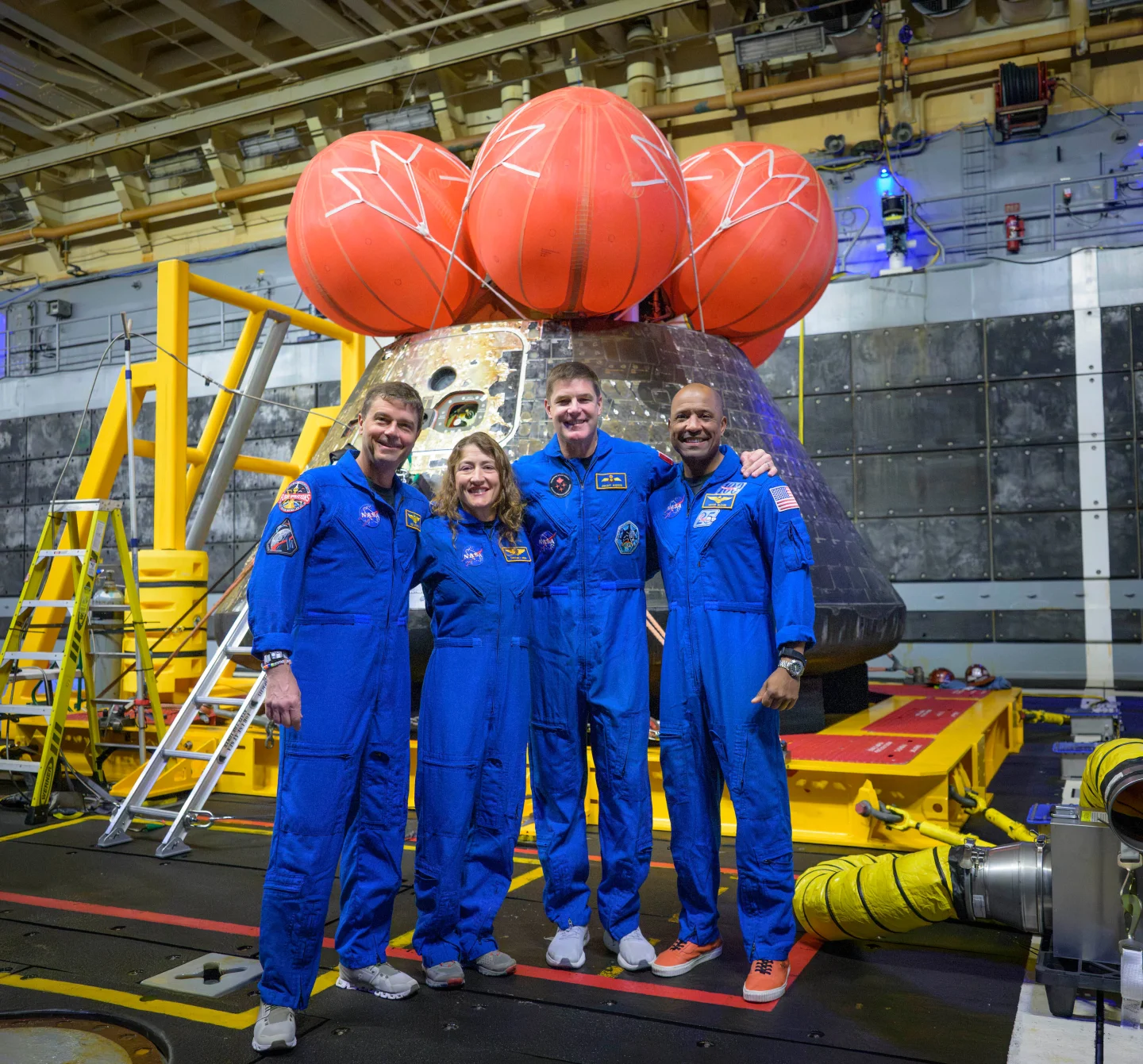
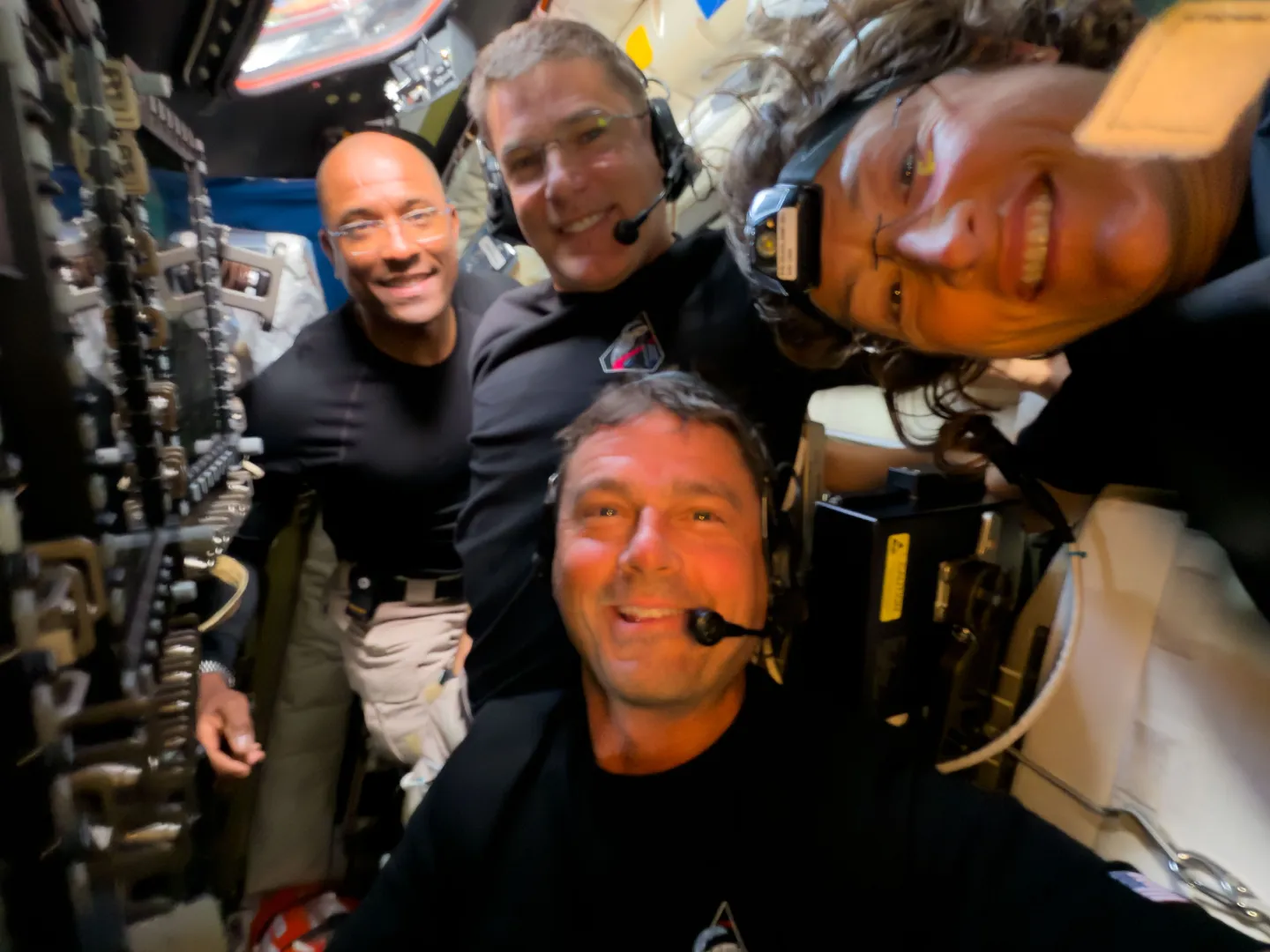
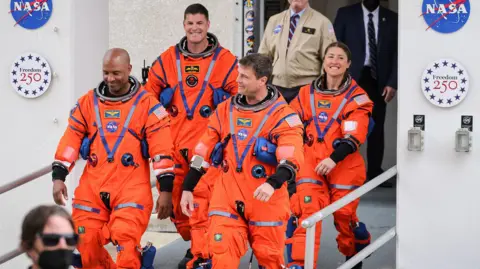
With all eyes on them, the crew—Commander Reid Wiseman, Victor Glover, Christina Koch, and Jeremy Hansen—are now orbiting Earth about 42,500 miles away, testing out the Orion spacecraft.
What’s Next for the Crew?
The spacecraft's solar wings were fully deployed shortly after launch, providing the necessary power for their journey.
NASA aims to ensure Orion is ready for the deep space challenges ahead, as this craft has never been flown before by humans. The crew will spend the next hours pushing the craft to its limits and testing life support systems.
If any issues arise, they have specially-designed suits that can sustain them for up to six days, ensuring their safety.
Mission Milestones
Today's critical maneuver is the "trans-lunar injection" burn, which will launch them out of Earth's orbit and onto a trajectory toward the Moon. This pivotal task is scheduled for Thursday night UK time but may face postponements.
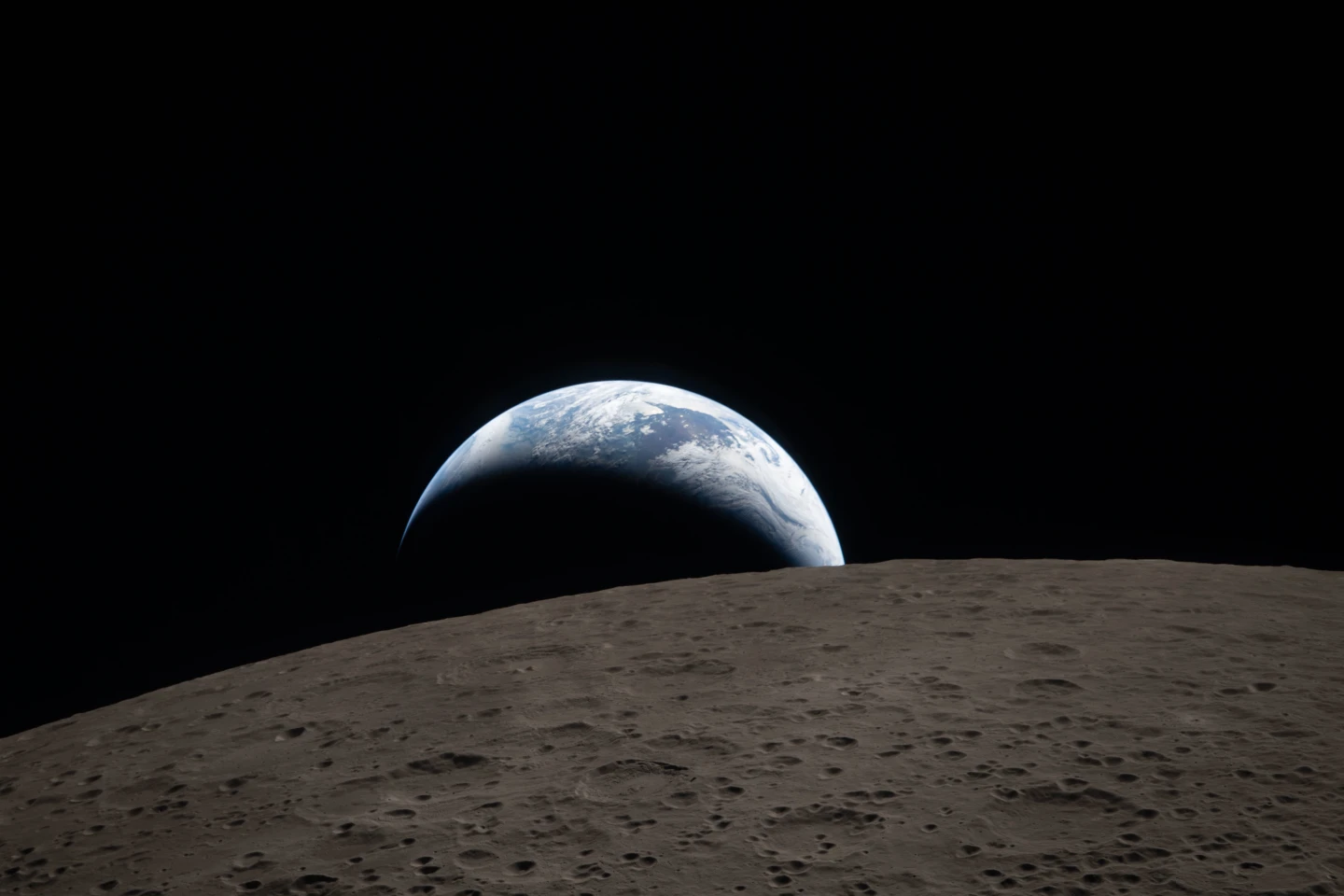
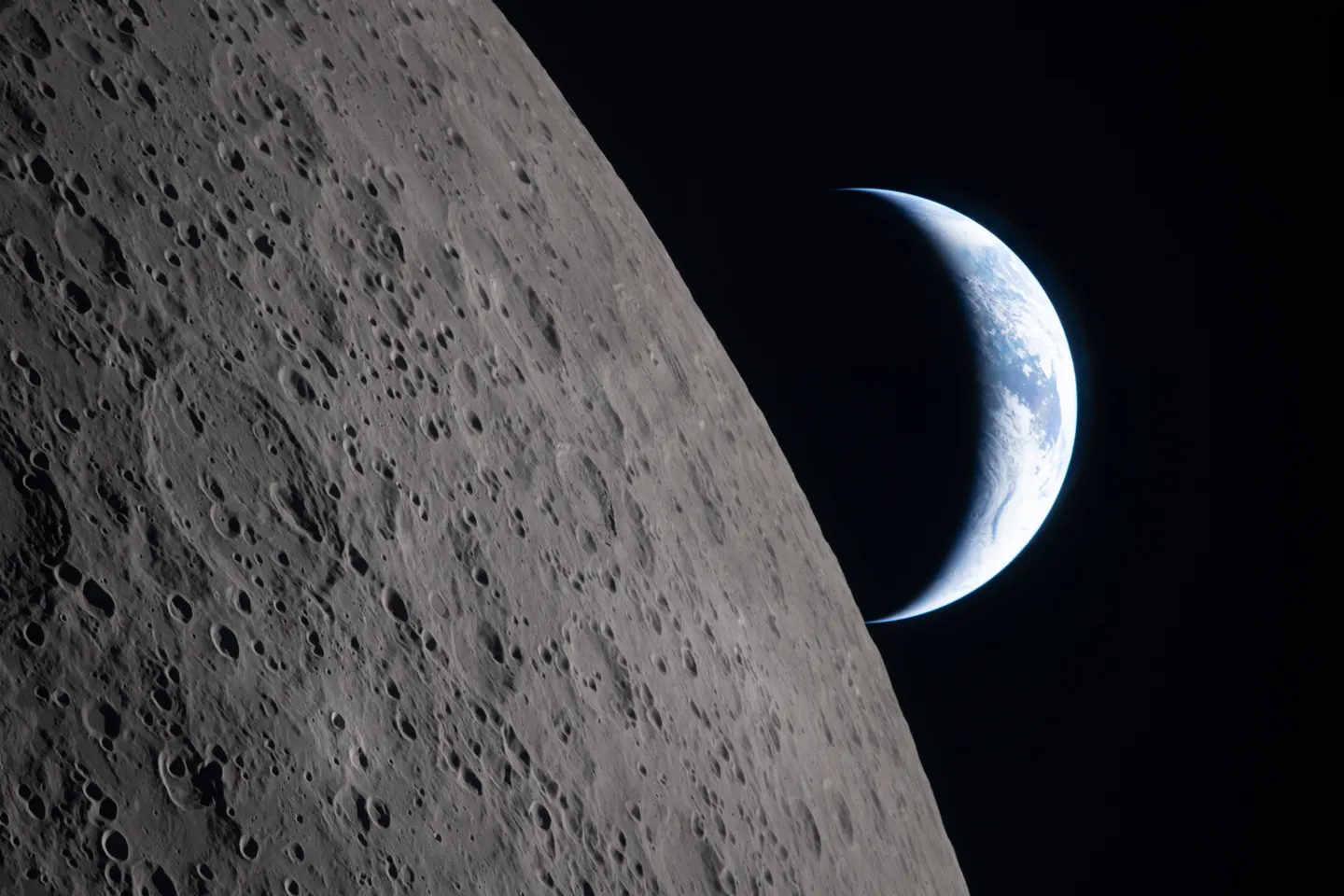
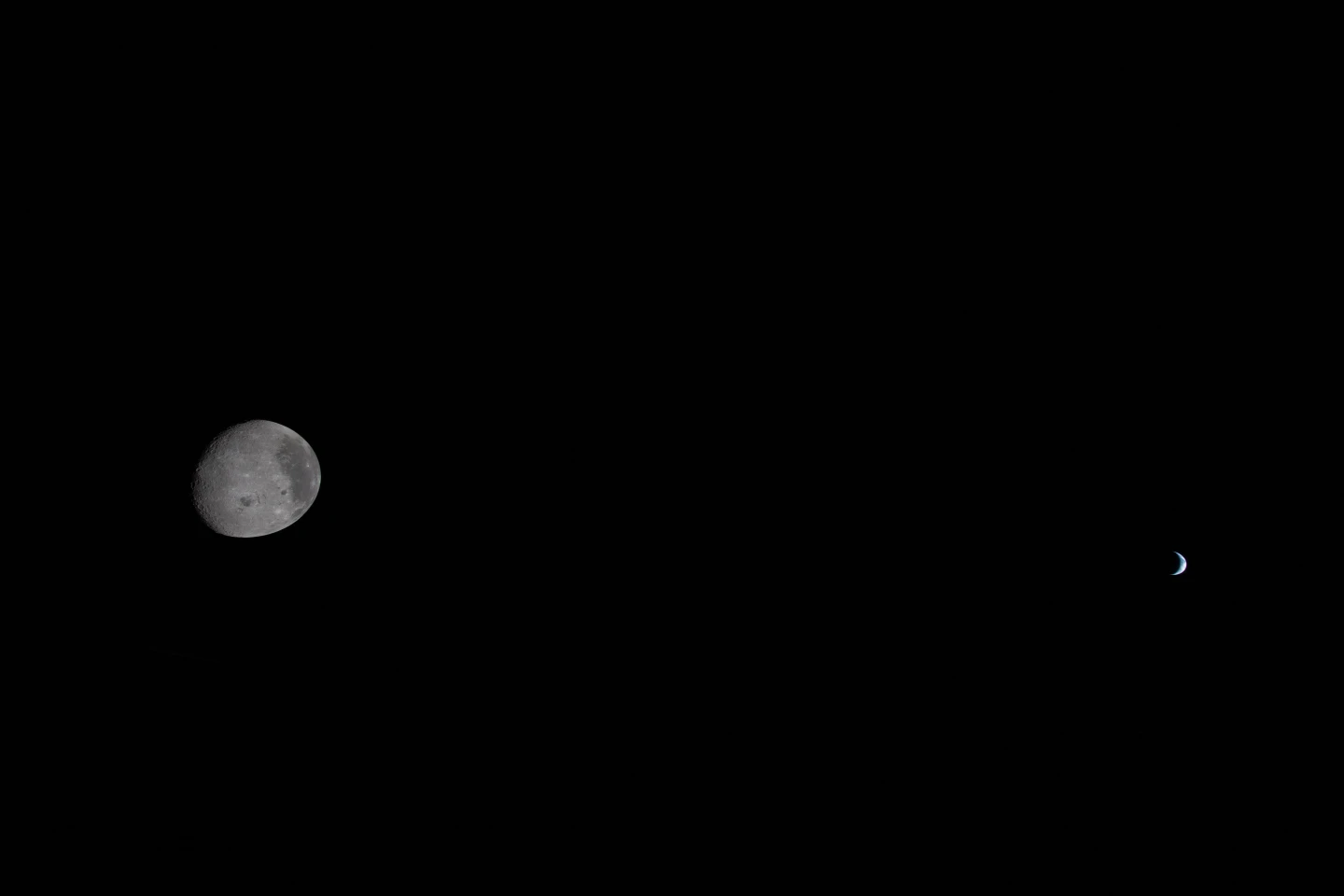
If successful, the burn will only last six minutes and propel the crew 6,400 miles beyond the Moon's far side, an area yet to be closely observed by humans.
Looking Forward
The Artemis II mission is a stepping stone for NASA's aspirations to return humans to the Moon by 2028, amidst a new era of international space exploration. The astronauts will document their journey and capture images never seen by human eyes before, contributing to our understanding of the lunar landscape.
As they prepare for the challenges ahead, optimism abounds for the historic Artemis II mission.