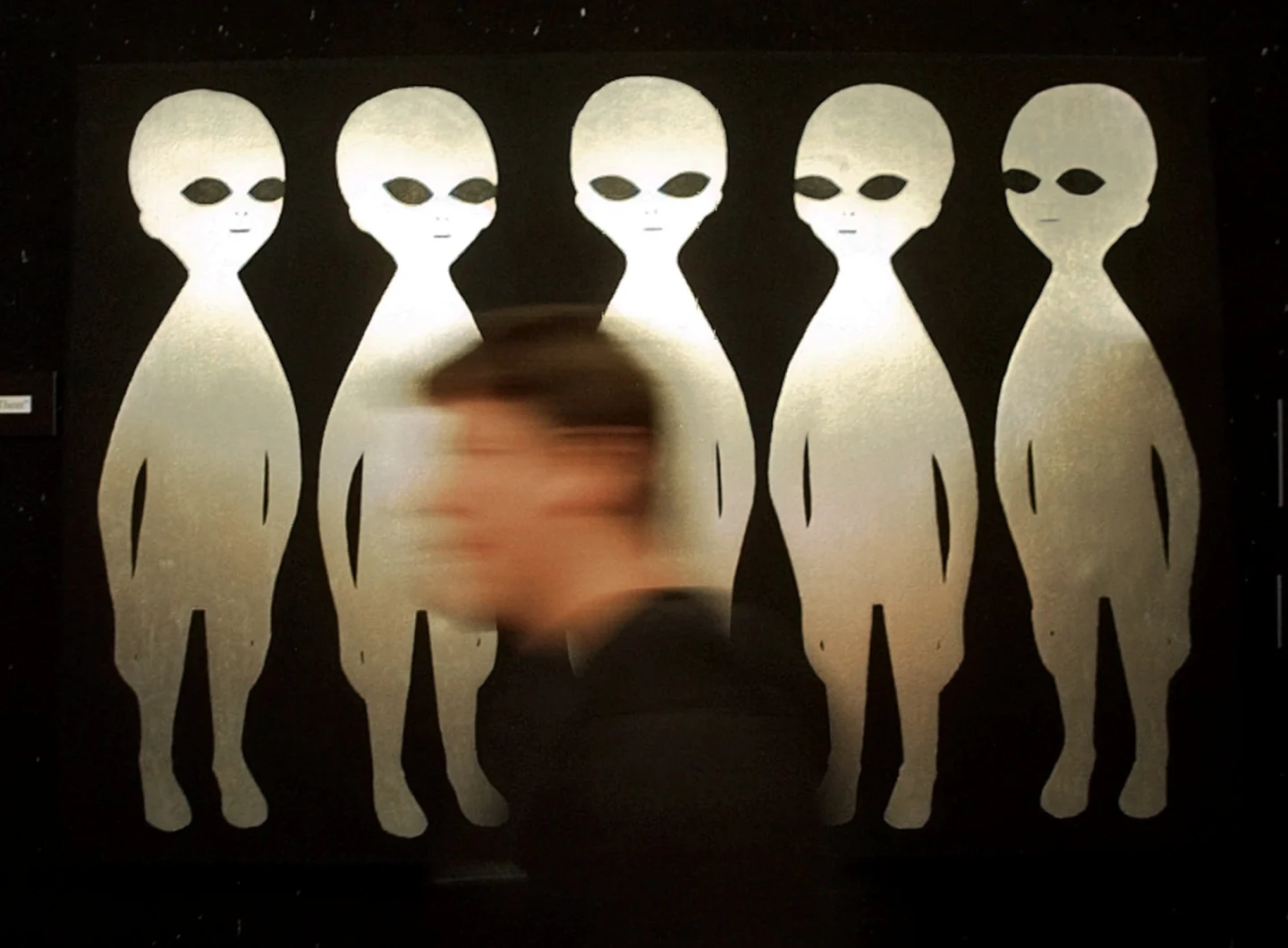
For generations, humans have pondered the nature of extraterrestrial life. But a profound reflection emerges when we consider how these beings might view humanity.
Theoretical physicist Avi Loeb shares a stark observation: If I were looking at Earth from a distance, I would be pretty disappointed… Look at the Ukraine war over a little bit of territory. That is not a sign of intelligence. His perspective raises disturbing questions about humanity’s priorities.
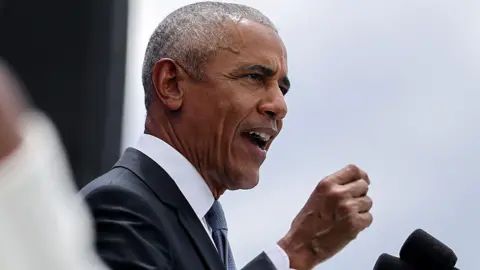
Interest in UFOs surged recently, especially after prominent figures like former President Obama confirmed the existence of unidentified flying phenomena, even as he expressed uncertainty about any alien encounters. Trump's direction to release government documents only added fuel to public curiosity.
As the U.S. prepares to return to the moon with NASA’s Artemis II mission, the spotlight on extraterrestrial life intensifies. Observers of Earth may be puzzled by our divisive struggles. This sentiment resonates widely; most Americans reportedly believe life exists beyond our planet, suggesting a craving for connection.
A survey by Pew Research indicated that two-thirds of Americans support the idea of intelligent life in the universe. Nevertheless, instances of unidentified aerial phenomena have yet to convincingly indicate extraterrestrial origins, leaving many questions unanswered.
As the world faces divisions, the idea of outsiders observing us raises concerns about our actions. Are we reflections of the violent impulses we project onto imagined aliens? As many scientists assert—seeking the truth is vital for our national security and moral standing in the universe.
Ultimately, should we encounter intelligent extraterrestrial beings, their potential views on humanity could serve as a powerful mirror for our cultures and conflicts, challenging us to reflect on the path we choose.