Are Trump’s Government‑Funded Ads Legal?
In a series of television spots appearing during the early October run‑in, President Donald Trump announced a new set of messages that were entirely paid for by federal funds. The campaign, which has long skirted the rules that forbid the use of public money for overt political promotion, raises the question: do these ads violate federal law?
Under U.S. law, external spending of public money for political campaigns is prohibited. Federal agencies may produce content that informs citizens on public policy, but they are barred from endorsing or opposing any candidate. The White House insists the ads in question are purely public service announcements (PSAs) that address national security and economic policy, not the President’s reelection bid.
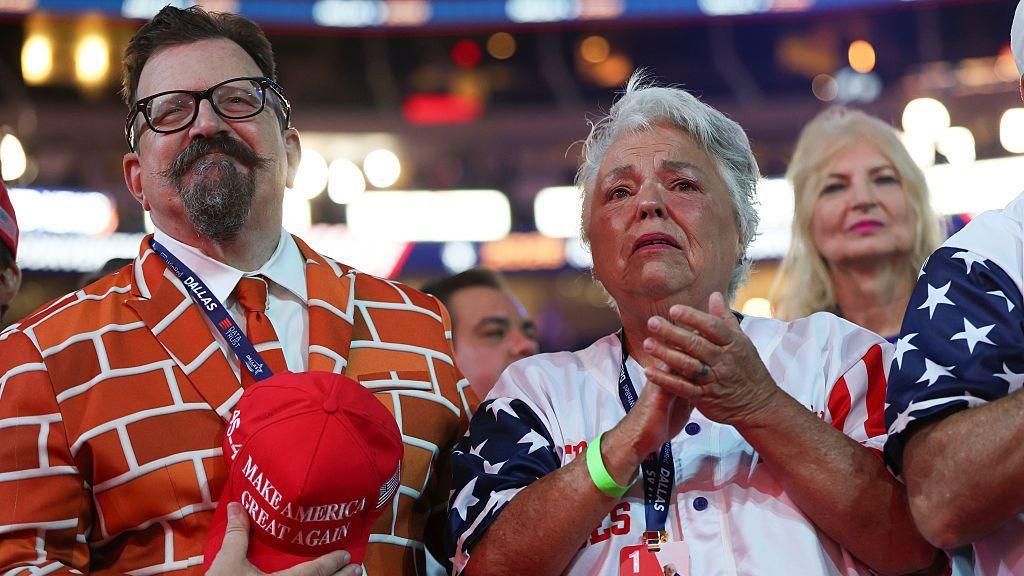
Legal commentators have taken a split stance. Some argue that the content—primarily words of policy, not explicit calls for votes—falls within the narrow margin reserved for PSAs. Others believe that the heavy use of the President’s image and name, coupled with sponsorship from a federal agency, constitutes an unmistakable political advertisement, thereby breaching the 2002 Federal Election Campaign Act. BBC Verify’s Jake Horton delved into the videos, interrogating the language used and consulting experts on federal campaign finance and First Amendment law.
While no court has yet ruled on the legality of Trump’s federal‑funded spots, this landmark case could set a precedent for how future administrations separate public messaging from political ambition. For now, the debate continues as legal scholars, policy analysts, and watchdog organizations scrutinize every frame of these contentious ads.