Trump’s $5,000 Voter Compensation Plan: Legal or Lawful?
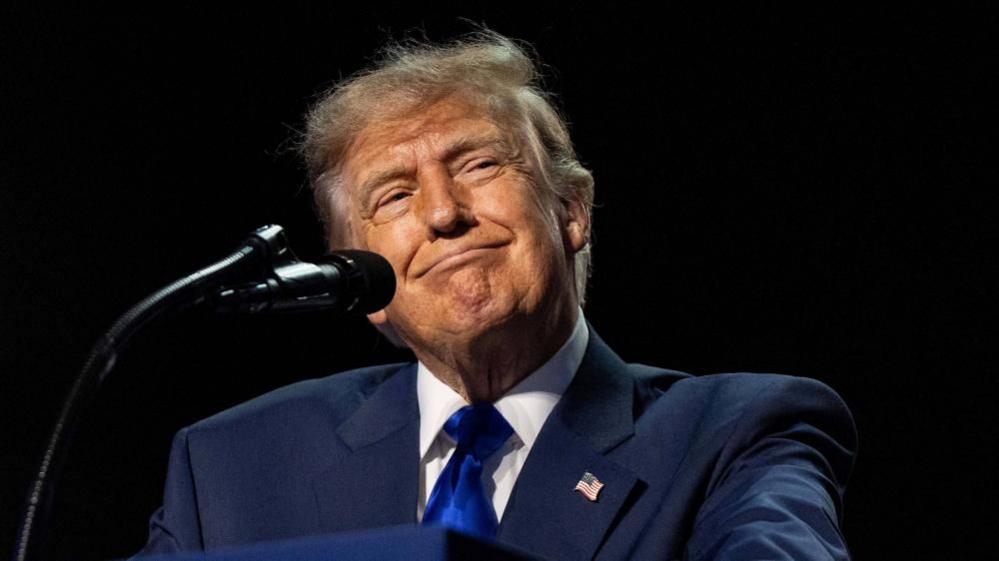
Donald Trump, the GOP candidate for the 2026 midterm elections, declared that he would give every American $5,000 if the Republican Party retained control of the House and Senate. The promise covers a population of roughly 268 million people, putting the potential cost at an estimated $1.3 trillion.
The President did not specify how the money would be raised or how the payments would be delivered. No budget provision mentions the fund, and Trump’s campaign has yet to show a clear plan for financing the proposal.
The pledge was instantly branded an empty promise by Democratic leaders and intercepted by budget officials who pointed out that a candidate cannot legally redistribute federal funds without congressional approval. The U.S. federal budget process mandates that all spending be authorized by the appropriations committees and signed by the President.
Legal experts note that the Constitution and the Federal Election Commission’s rules do not allow a political candidate to promise direct public payments of this nature. A candidate’s financial disclosures allow only campaign‑related spending, and circulating public money is outside that scope unless legislated by Congress.
BBC North America editor Sarah Smith examines the feasibility of Trump’s plan and the obstacles it faces, from constitutional limits to the mechanics of disbursing funds on a national scale. The article compares the pledge to historic front‑money offers and explains why no precedent exists for such a broad public transfer.
For more context, read the original BBC coverage: BBC News – Trump’s $5,000 pledge.