Trump’s Media Ban Sparks Legal Battle Over Press Freedom
The Justice Department has entered the fray, filing a counter‑claim that the three media outlets – CNN, Politico and MS NOW – have been “trafficing in verifiable falsehoods” and thereby jeopardizing national security. The lawsuit comes after President Donald Trump revoked the White House credentials for these outlets, citing allegations of “fake news.”
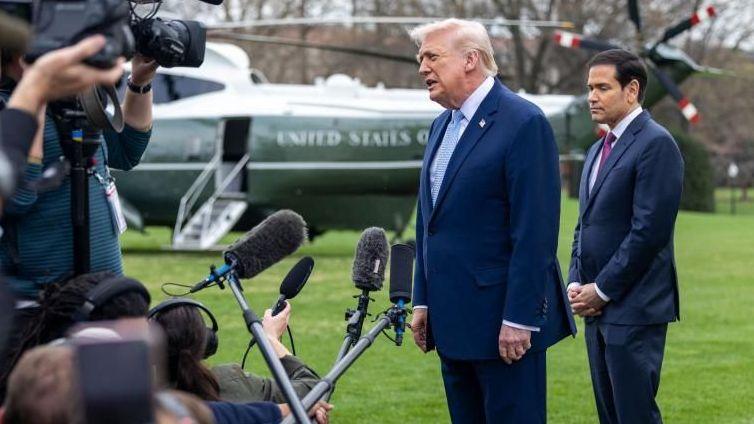
In a dramatic week of action, the White House barred reporters from CNN, Politico and MS NOW from the Capitol’s iconic structure. The three outlets immediately sued, claiming the move is an unconstitutional infringement on First Amendment safeguards and a threat to independent journalism. Their joint statement warned that “the revocation, without proper notice or process, lays a dangerous precedent for government interference with the press.”
The court documents released by the Department list several “reporting incidents” that the White House cited as grounds for the ban—including stories about planned construction at the White House and an alleged internal information‑leak investigation. Their argument hinges on the assertion that “access to the White House is a privilege, not a right,” a claim the Justice Department contests in its filing.
A federal judge is scheduled to decide on a temporary injunction this Wednesday, potentially lifting the ban while the full hearing takes place later in the week. The outcome will set precedent for how presidential administrations can regulate media coverage of official residences and what constitutes a legitimate threat to national security.
In response to the ban, major TV networks have pulled back from the White House’s “pool” media sharing program, a collective arrangement that provides the president’s office with pre‑approved visual and audio content. At the same time, the White House launched “Trump TV,” a 24/7 streaming channel showcasing the president’s activities, signaling a move toward controlled messaging.
The ongoing lawsuit underscores a sharp divide over presidential power versus press transparency, with the intersection of free‑speech rights and national‑security concerns at the center of a potentially pivot turning point for media freedom in the United States.