AfD’s Historic Regional Win Sends Shockwaves Across Europe
The far‑right Alternative for Germany (AfD) shattered expectations in Saxony‑Anhalt, a small German state with just 1.7 million voters, as it narrowly missed an outright majority but still captured a sweeping share of the vote. Analysts described the result as seismic, a socio‑political earthquake, and a watershed moment for the German party.
Though regional, the outcome imposes a hard hit on Germany’s fractured coalition government in Berlin. Chancellor Friedrich Merz, already under intense pressure, faces a further dent in his mandate after the AfD’s surge, forcing the centrist bloc to confront a deepening divide.
Europe’s most powerful economy is now caught between its commitments to counter Russia’s aggression in Ukraine, to confront Trump‑era tariffs, and to mitigate China’s labour‑market pressure. The AfD’s populist narrative dovetails with U.S. nationalism and adds a pro‑Russia vote that may further undermine Germany’s foreign‑policy coherence.
At a time when Nazis are still remembered in Germany, the AfD’s appearance as the strongest party nationwide is historic, the first real electoral landslide for a hard‑right nationalist since 1945. German authorities have labelled the party, or parts of it, as anti‑democratic and extremist.
Central Europe’s east, including Saxony‑Anhalt, struggles with economic disparities that have led to the rise of the AfD. The party’s pro‑Russia stance, calling for an end to military aid to Ukraine and for cheaper Russian energy, goes against the country’s current 2.3‑3 trillion‑euro aid package for Ukraine.
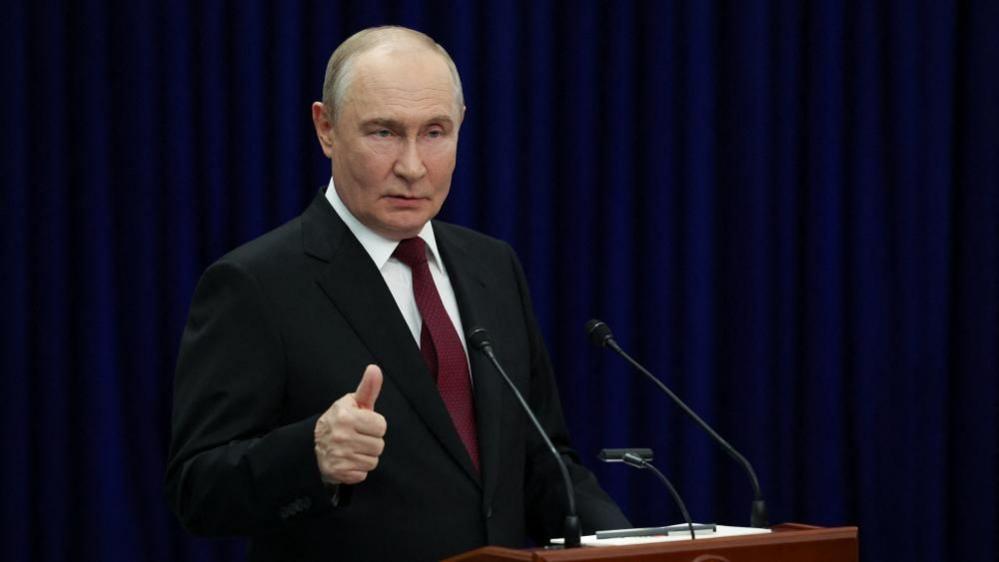
Internationally, President Donald Trump’s Truth Social platform highlighted the result, while Russian businessman Kirill Dmitriev, CEO of the Russian Direct Investment Fund, called the victory “historic,” blaming the AfD for delegitimising the German government. Dmitriev’s remarks were linked to a US‑supported missile programme that the U.K. provided for Ukraine, a point of anger for Moscow.
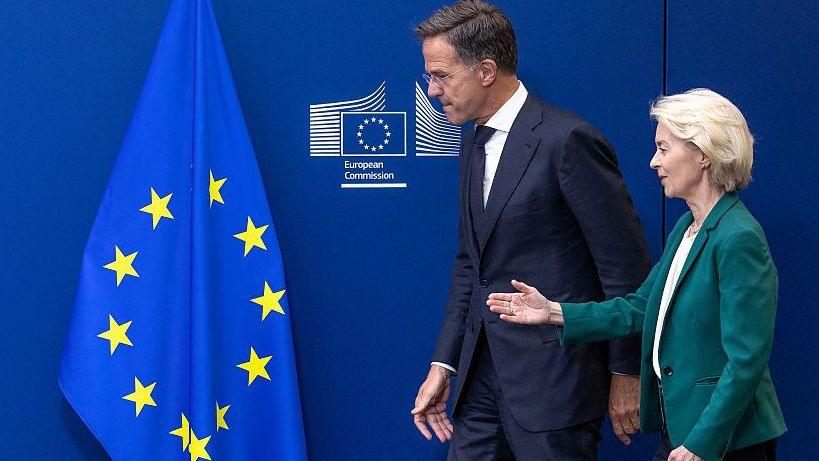
Elections across the European Union—including France, Italy, Spain and Poland—are looming. Brussels fears that nationalist parties might benefit on both ends of the spectrum. The AfD shares a common anti‑immigration platform and nationalist rhetoric with parties in Italy’s League, France’s National Rally, in Spain’s Vox, and in Poland’s Law and Justice, while differing in tone and policy. Brussels pledges that European unity is essential to counter external threats such as Russia and China, and warns that any fraying could embolden Moscow.
For many Europeans, the AfD’s success is a stark warning that traditional parties have failed to address pressing issues: war-induced instability, social decay, economic insecurity, and security concerns. The AfD’s victory in Saxony‑Anhalt therefore forces the leadership across Europe to reconsider its stance on nationalist movements and to safeguard the integrity of European democratic institutions.
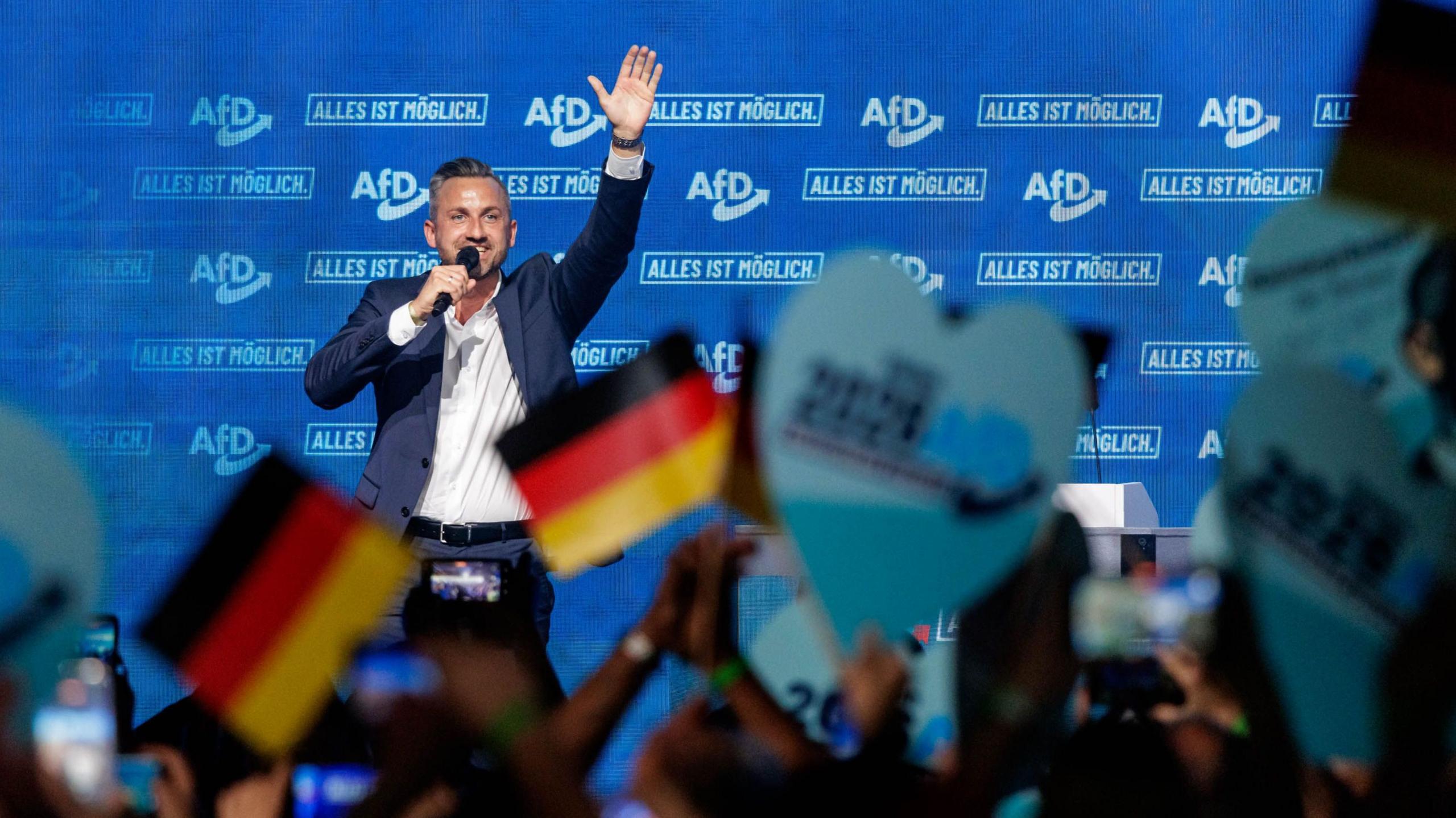
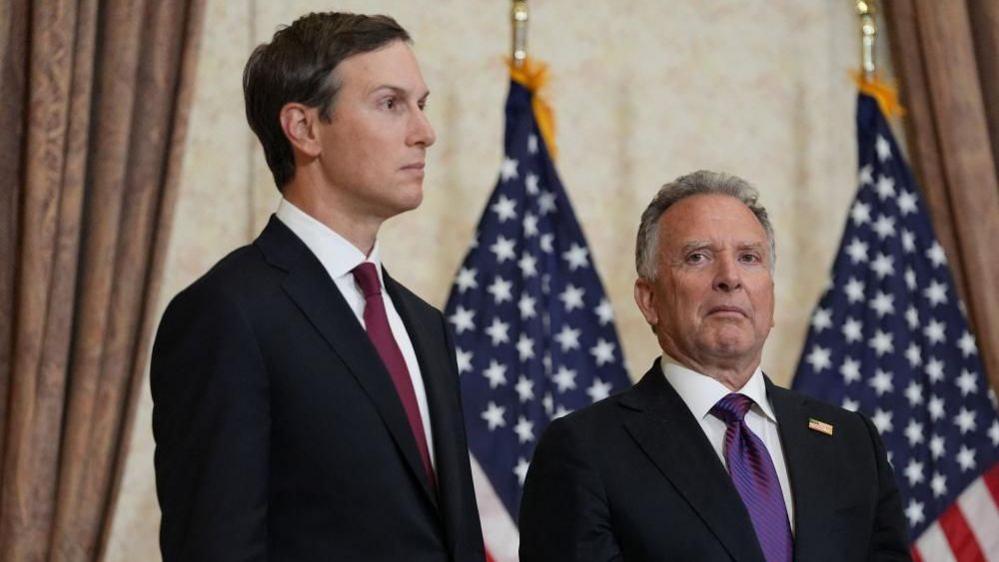
In related coverage, corroborating images show the AfD rallying at the election party for the historic victory, where promises of “Anything is Possible” echoed the party’s slogan and a sense of national pride. The images accompany this story, illustrating how the AfD’s recent boost has shaped both domestic and international political narratives.