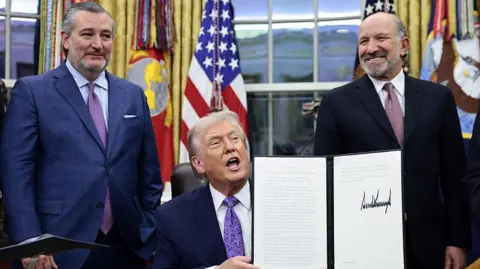
In a surprising turn of events, Israel and Iran have mutually agreed to a cease-fire, announced early Tuesday by President Trump, marking a significant pause to over a week of intensified military hostilities. The truce comes after 12 days of volatile exchanges, raising global concerns about escalating conflict in the Middle East.
Israel's military confirmed it was committed to the cease-fire, though the Israeli government has yet to provide an official comment. The announcement was initially received with caution as sporadic missile launches continued to be reported hours after the declared agreement. Iran's state television also acknowledged the cease-fire, indicating a desire for a diplomatic solution despite ongoing tensions.
In Beersheba, a missile attack from Iran claimed at least four Israeli lives, highlighting the recent violence that preceded the truce. Surveillance footage captured the harrowing moments as residents sought refuge in shelters during air raid alerts. Further complicating the situation, President Trump's subsequent social media post urged both nations to adhere to the cease-fire, underlining the delicate nature of this peace agreement.
As various regions of Israel experienced rounds of missile fire, the Israeli military had to reassess the safety of its citizens, calling them back to bomb shelters moments after initial alerts had been lifted. The ongoing exchanges of fire prompt serious questions regarding the potential longevity of the cease-fire and the commitment from both parties to restrain from future hostilities.
Further analysis suggests that while immediate danger may have diminished, both nations remain heavily armed and on high alert, leaving the door open for potential re-escalation if conditions dictate. Both the Israeli government and Iranian officials have indicated a willingness to negotiate further, yet skepticism blooms amidst the fear of renewed military action should either side perceive the truce as being violated.