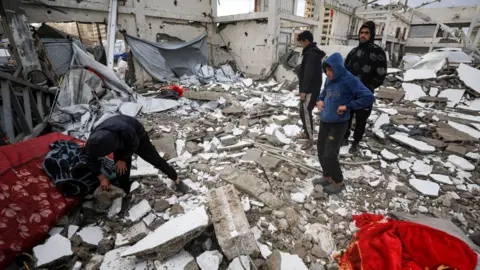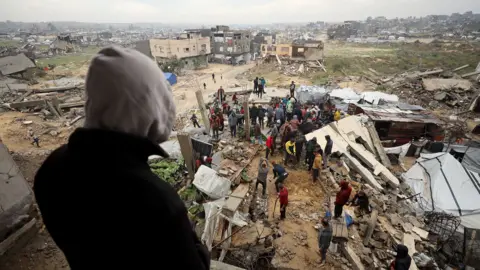
A steady stream of water trickles through openings in the tent Ghadir al-Adham shares with her husband and six children in Gaza City as her family waits to return home. Here we are, living a life of humiliation, she told the BBC. Adding that every day brings tears for her children's safety amidst the ongoing struggle, Ghadir is among many displaced families dealing with the fallout of the ongoing conflict.
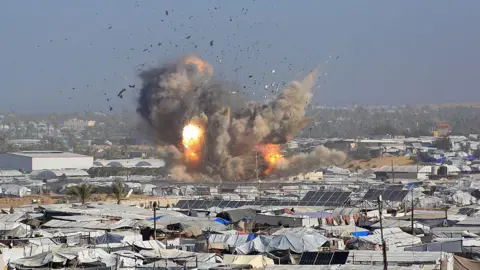
Currently, Gaza is in a precarious situation, heavily impacted by a winter storm that has left thousands facing the risk of flooding, with reports suggesting that over 800,000 Gazans are at risk. Despite a ceasefire brokered by the US, the territory's future remains uncertain as it is divided between Israel and Hamas, hampering any reconstruction efforts.
Plans to form a new government and initiate homebuilding projects are stalled, tied to the inquiry over the fate of an Israeli hostage. The mounting pressure from the US administration highlights the urgency of finding solutions in the region, yet both Hamas and Israel are faced with considerable reluctance to advance to the next phases of peace talks.
Amid these challenges, retired military professionals have noted parallels in the interests of both parties, as neither is eager to make concessions that may jeopardize their standing. With both sides hesitant, experts warn that time may be running short for meaningful progress, which could entrench divisions and lead to further crises.
In a contrasting vision, negotiations also point towards an alternative future where Gaza, already fragmented, may face increased isolation should these talks collapse. The pressing need for reconstruction and humanitarian assistance intertwines with the looming complexities of regional politics, yielding a situation ripe for conflict.