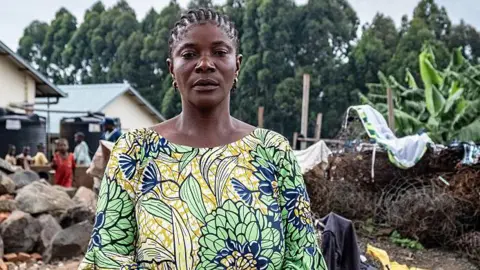
The US ambassador to the UN has accused Rwanda of leading Africa's Great Lakes region toward war, just over a week after a peace deal was signed in Washington to end the decades-long conflict. US President Donald Trump hailed the deal between DR Congo's President Félix Tshisekedi and Rwanda's President Paul Kagame as historic and a great day for Africa, great day for the world.
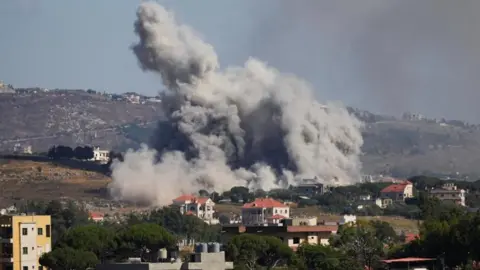
However, the M23 rebel group states it has fully liberated the key city of Uvira in an offensive supported by Rwanda, which has denied the allegations. The rebels, who were not party to the agreement, have taken part in an alternative peace process led by Qatar.
This flare-up in fighting threatens to complicate an already complex conflict, as experts weigh the implications of M23's aggression amidst concurrent diplomatic efforts. The situation remains precarious, with various actors asserting their interests in the volatile region. Prof. Jason Stearns expressed concerns that the Uvira assault was a direct affront to the US, highlighting the complexity of the peace dynamic.
As violence escalates, it raises critical questions about the effectiveness and future of the peace deal proposed by Trump. The strategic significance of Uvira, especially for regional military logistics, further complicates the potential for lasting peace in the area. Regional actors, including Burundi, now face new challenges stemming from this unpredictability, with Burundian troops’ strategic positions threatened by the M23's advance.
Amidst accusations of Rwandan intervention, the international community is left questioning the viability of collaborative peace processes in the face of renewed hostilities. Analysts suggest that the next moves in this geopolitical chess game will be crucial not just for the DRC, but for the stability of the entire Great Lakes region.
However, the M23 rebel group states it has fully liberated the key city of Uvira in an offensive supported by Rwanda, which has denied the allegations. The rebels, who were not party to the agreement, have taken part in an alternative peace process led by Qatar.
This flare-up in fighting threatens to complicate an already complex conflict, as experts weigh the implications of M23's aggression amidst concurrent diplomatic efforts. The situation remains precarious, with various actors asserting their interests in the volatile region. Prof. Jason Stearns expressed concerns that the Uvira assault was a direct affront to the US, highlighting the complexity of the peace dynamic.
As violence escalates, it raises critical questions about the effectiveness and future of the peace deal proposed by Trump. The strategic significance of Uvira, especially for regional military logistics, further complicates the potential for lasting peace in the area. Regional actors, including Burundi, now face new challenges stemming from this unpredictability, with Burundian troops’ strategic positions threatened by the M23's advance.
Amidst accusations of Rwandan intervention, the international community is left questioning the viability of collaborative peace processes in the face of renewed hostilities. Analysts suggest that the next moves in this geopolitical chess game will be crucial not just for the DRC, but for the stability of the entire Great Lakes region.