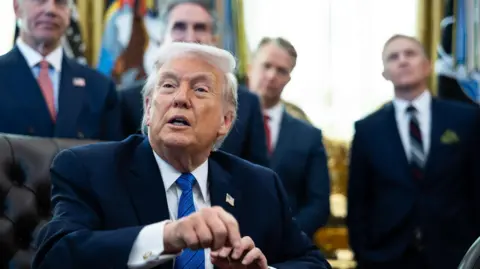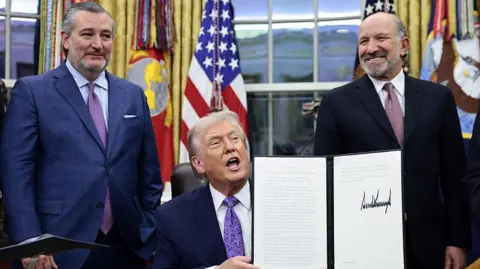
US President Donald Trump has signed an executive order aimed at blocking states from enforcing their own artificial intelligence (AI) regulations.
We want to have one central source of approval, Trump told reporters in the Oval Office on Thursday.
This new directive is touted as a method for the Trump administration to challenge what they label as the most onerous state laws, with a clear exception for regulations aimed at protecting children’s safety, noted White House AI adviser David Sacks.
This decision represents a significant victory for technology giants advocating for a standardized US-wide AI legislation, which many believe is crucial for the nation to retain its lead in the rapidly evolving technology sector.
However, those in the tech industry have voiced concerns that state-level regulations could impede innovation and hinder the US's competition against China for dominance in AI, with companies investing heavily in the technology.
The response to this executive order has been mixed, with California, home to many leading tech firms, having already established its own AI regulations. Governor Gavin Newsom criticized the order, alleging that Trump is attempting to enrich himself through corruption while disregarding the need for certain regulations to protect citizens from unregulated AI.
Earlier this year, Newsom signed a bill mandating that major AI developers propose strategies to mitigate risks associated with their technologies.
Other states like Colorado and New York have also enacted laws addressing the complexities of AI technology. Supporters of these state laws argue they are necessary, particularly given the lack of comprehensive federal oversight. Julie Scelfo of Mothers Against Media Addiction stated, Stripping states from enacting their own AI safeguards undermines states' basic rights to establish sufficient guardrails to protect their residents.