In brief
President Trump has signed an executive order that bars states from enforcing their own AI regulations, promoting a centralized approach to artificial intelligence policies. This decision is seen as favorable to technology companies urging for nationwide legislation. However, critics, including California's Governor Gavin Newsom, argue that such an order undermines state protections and necessary safeguards in a rapidly evolving AI landscape. Amidst varying state laws, experts caution that the absence of robust federal regulations could pose risks to residents, while others tout the need for a cohesive national policy.
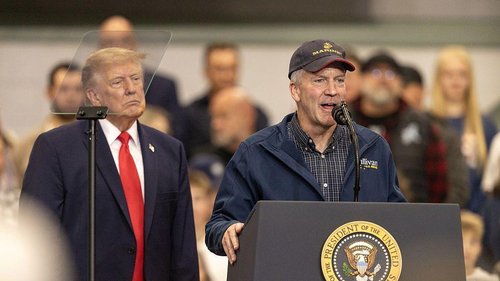
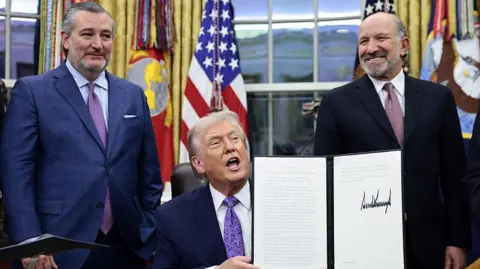
US President Donald Trump has signed an executive order aimed at blocking states from enforcing their own artificial intelligence (AI) regulations.
We want to have one central source of approval, Trump told reporters in the Oval Office on Thursday.
The order gives the Trump administration tools to challenge what they deem 'onerous' state rules, while assuring that regulations regarding children's safety will remain in place, as stated by White House AI adviser David Sacks.
This executive action has been hailed as a victory for technology giants demanding uniform AI legislation, as it could significantly impact the U.S.'s ability to maintain leadership in the burgeoning AI industry.
Industry leaders argue that disparate state regulations could inhibit innovation and hinder the U.S. competitive edge against China, prompting significant financial investments into AI technology.
However, backlash has emerged from various state leaders, particularly from California, which has implemented its own AI regulations. Governor Gavin Newsom condemned Trump's move, accusing him of corruption and asserting that it undermines necessary laws designed to protect citizens from unregulated AI systems.
Earlier this year, Newsom had set forth a legislation mandating that leading AI developers establish plans to mitigate risks from their AI technologies.
Other states such as Colorado and New York have followed suit with their own regulatory frameworks, creating a potential precedent for a nationwide standard.
Critics of Trump's order emphasize that strong state-level protections are essential until comprehensive federal guidelines are established. Julie Scelfo from Mothers Against Media Addiction stated, Stripping states from enacting their own AI safeguards undermines states' basic rights to establish sufficient guardrails to protect their residents.
Conversely, some experts suggest that a multitude of state laws leads to a confusing landscape for the industry, advocating for a singular federal law while questioning the quality of such a law.
The tech lobby group NetChoice lauded the executive order, expressing a desire to collaborate with federal authorities to formulate national standards that create a clear operational framework for innovators.