Strategies to Alter Putin's Course in Ukraine: A Multidimensional Analysis
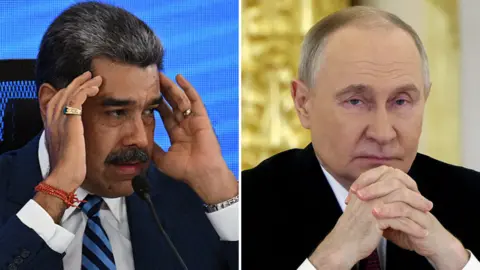
Vladimir Putin may have a reputation as a ruthless autocrat and a master manipulator, but his lack of a poker face reveals much about his confidence in the ongoing conflict in Ukraine. The late US Senator John McCain famously noted that when he looked into Putin's eyes, he saw the letters KGB reflecting his intelligence background. Observations from Kremlin engagements show that Putin is presently buoyant due to perceived gains on the battlefield and shifting diplomatic tides favoring Russia.
Analysts argue that with no incentives to retreat, Putin's demands remain firm: Ukraine's recognition of Russian claims over Donetsk, the curtailing of Ukraine's military, and a permanent exclusion from NATO. The potential for future scenarios emerges, including US President Trump potentially pressuring Ukraine into unfavorable ceasefire terms or washing his hands off the conflict altogether.
With diminished American support for Ukraine, the looming question is: what could possibly change Putin's mind? A unified European effort may include forming a military coalition to deter Russian aggression while also looking towards reactive measures for a protracted conflict. Calls for immediate assistance with advanced weaponry and financial resources dominate discussions among European diplomats.
Furthermore, Europe's air defense plans under the European Sky Shield Initiative could be expanded to protect Ukraine—freeing its troops for frontline combat. The need for a significant presence of Western forces on the ground could deter hostility, but such decisions face substantial political hurdles.
The discussion extends into economic sanctions, where Russia's economy shows signs of strain, yet Kremlin tactics evade restrictive measures. A holistic analysis emerges: some speculate that sanctions could sway Russian public opinion, but support for Putin remains resilient.
Notably, China is identified as a significant player that could influence the Kremlin's perception of the conflict. If Beijing opts to side with peace efforts—offering limited support—its leverage could potentially pivot Moscow's outlook.
The narrative of the conflict suggests that unless substantial shifts occur, Putin is likely to pursue territorial gains through prolonged engagement, interpreting ongoing resistance as a signal to persist in his endeavors. As concluded by analysts, without a substantial change in dynamics, Putin's course remains steadfast, revealing how complex and multidimensional the routes to peace might be.