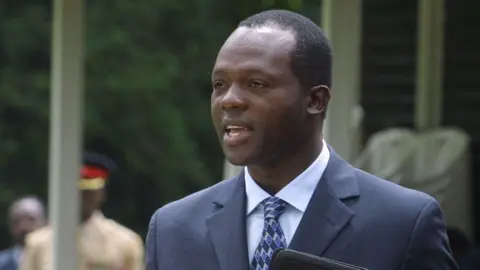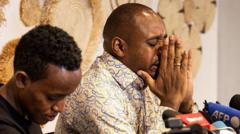
Mwangi described the ordeal of being stripped naked, beaten, and assaulted while being held in custody, stating, "I am struggling to be alive". His distressing account was accompanied by that of Ugandan activist Agather Atuhaire, who also reported being raped in detention. The Tanzanian police, however, dismissed Mwangi's accusations as "hearsay".
Tanzanian President Samia Suluhu Hassan's administration faces increasing scrutiny from rights groups that accuse it of cracking down on dissent as the nation approaches crucial elections. Mwangi's revelations have been met with widespread condemnation, with Amnesty International demanding investigations into the inhumane treatment he and Atuhaire endured.
During their detention, Mwangi and Atuhaire were reportedly threatened that footage of the abuses would be leaked if they dared to speak out. Mwangi has called for his medical records to be released, urging the government to ensure no one else suffers the same fate. His experiences underline the broader issues of repression and human rights violations in East Africa, revealing how dire the situation has become.
Their journey to Tanzania to advocate for political reform and support Lissu's case, marked by complaints of electoral manipulation, highlights the risks faced by activists in the region. The U.S. State Department has expressed concern over the activists' treatment, with calls growing for international intervention as their plight draws attention to the challenges for human rights advocates in Africa.
Tanzanian President Samia Suluhu Hassan's administration faces increasing scrutiny from rights groups that accuse it of cracking down on dissent as the nation approaches crucial elections. Mwangi's revelations have been met with widespread condemnation, with Amnesty International demanding investigations into the inhumane treatment he and Atuhaire endured.
During their detention, Mwangi and Atuhaire were reportedly threatened that footage of the abuses would be leaked if they dared to speak out. Mwangi has called for his medical records to be released, urging the government to ensure no one else suffers the same fate. His experiences underline the broader issues of repression and human rights violations in East Africa, revealing how dire the situation has become.
Their journey to Tanzania to advocate for political reform and support Lissu's case, marked by complaints of electoral manipulation, highlights the risks faced by activists in the region. The U.S. State Department has expressed concern over the activists' treatment, with calls growing for international intervention as their plight draws attention to the challenges for human rights advocates in Africa.