NEW YORK — As the year progresses, the repercussions of the Trump administration's aggressive immigration enforcement campaign targeting pro-Palestinian activists are becoming increasingly evident. The campaign, which began over a year ago, has seen multiple individuals, primarily students and scholars, detained and threatened with deportation based on their activism on U.S. college campuses.
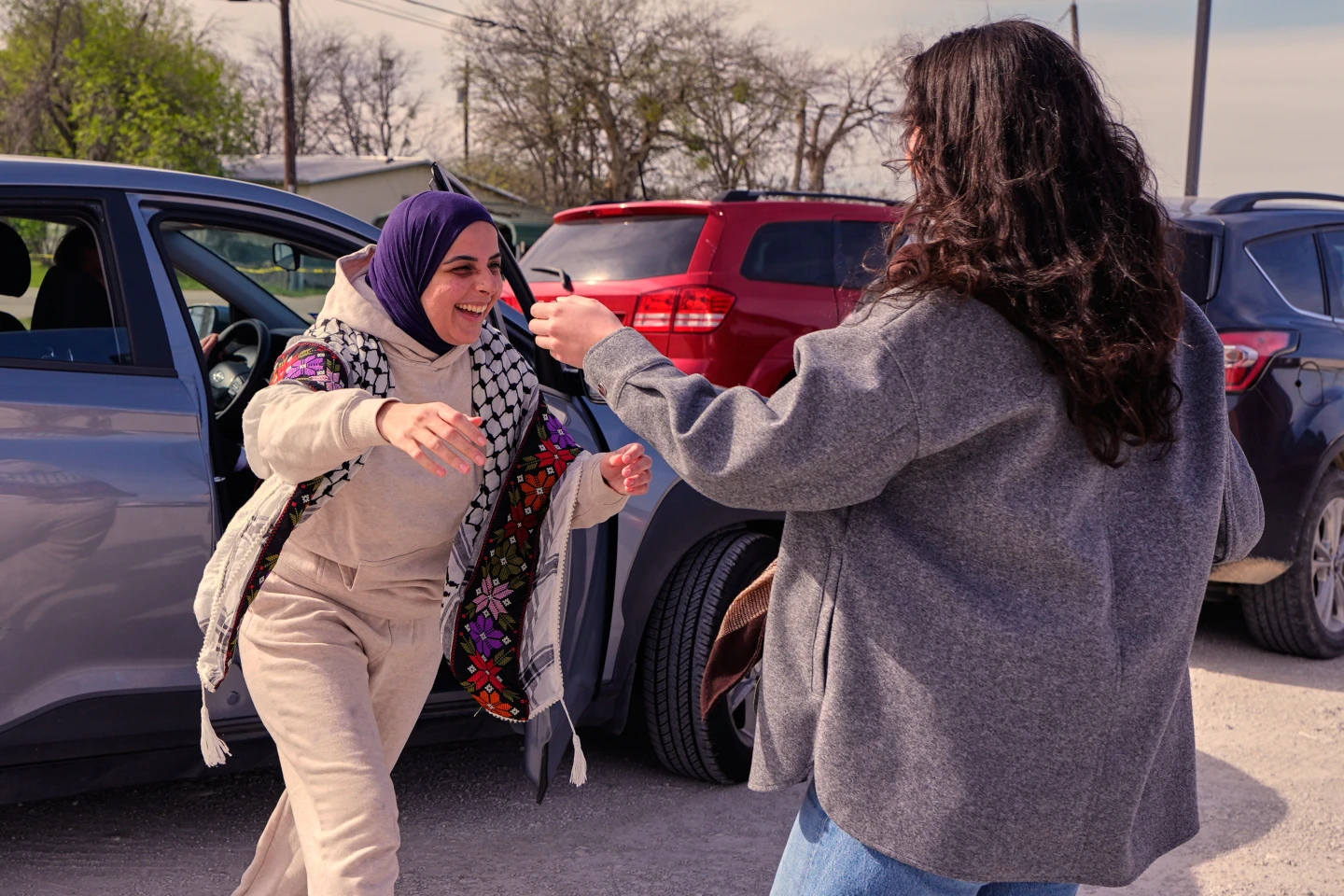
The last detainee from this wave, Leqaa Kordia, a Palestinian woman arrested during a routine immigration check in New Jersey, was released this week after prolonged legal battles. Kordia had been detained since March 2025, facing allegations tied to her participation in what federal officials categorized as pro-Hamas protests. Although not a well-known activist, her involvement in demonstrations outside Columbia University drew federal scrutiny, casting a long shadow on her visa status.
Federal authorities are not letting up, accusing Kordia of overstaying her student visa despite her assertion that she believed she was eligible for a different immigration status. The perplexing nature of her situation is emblematic of a larger system that increasingly intertwines immigration policy with political dissent.
A number of other activists, including Mahmoud Khalil, a prominent figure in the Columbia protest movements, have also faced dire consequences. Khalil, who spent over a hundred days in detention following his arrest for participating in protests, views his advocacy for Palestinian rights as a fundamental aspect of his identity rather than an act of antisemitism, despite government claims to the contrary.
Another key figure, Badar Khan Suri, a Georgetown University scholar, was apprehended outside his home after class due to alleged ties to Hamas through familial connections. His case, along with those of others such as Rümeysa Öztürk and Mohammed Hoque, illustrates the precarious intersection between immigration enforcement and political viewpoints.
Öztürk, a student with Turkish roots, was detained for voicing her opinions on campus, believing she faced wrongful punishment for exercising her free speech. Meanwhile, Hoque's detainment during his pursuit of a degree highlights the vulnerabilities international students face within the current immigration framework.
As these individuals navigate their complex legal standings, many are left questioning their safety and status in a climate where political opinions can lead to life-altering consequences. With ongoing cases and lives hanging in balance, the fight for justice and awareness continues, not just for these activists, but for countless others affected by these policies.