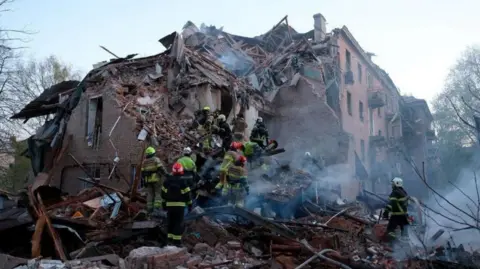
The tragic narratives of civilians caught in the crossfire of the ongoing war in Iran have been emerging in increasing numbers. Parastesh Dahaghin, a young pharmacist, was killed when an explosion rocked her workplace, illustrating the indiscriminate nature of warfare. Just days before her death, she had been told by her family to leave Tehran for safety; her response was reflective of her commitment to her community: People need me, people have been wounded. I must stay and help my people. Video footage from a mourning ceremony captured poignant moments of love and loss, featuring her framed picture surrounded by candles and flowers.
On the other hand, Berivan Molani, a 26-year-old lifestyle blogger and only child, returned to Tehran from the relative safety of northern Iran only a day before her tragic end. She was struck in her bed by debris during a missile attack designed to target a nearby individual of government interest. Berivan’s last moments were marked by a heart-wrenching scene as her mother called for her amidst the rubble, unaware of her daughter’s fate.
These incidents are a mere glimpse into the extensive toll on civilians throughout Iran as they face US and Israeli airstrikes. With more than 1,400 civilian deaths reported, humanitarian organizations express alarm over the rising casualties, urging all parties to protect non-combatants and adhere to international humanitarian law. The dire circumstances are compounded by an ongoing internet blackout and government efforts to control information, prompting concerns about the growing humanitarian crisis.
As the conflict continues to escalate, the stories of individuals like Parastesh and Berivan serve as heart-wrenching reminders of the human costs of war, often overlooked in broader geopolitical discussions.