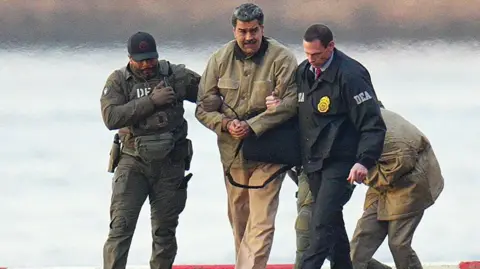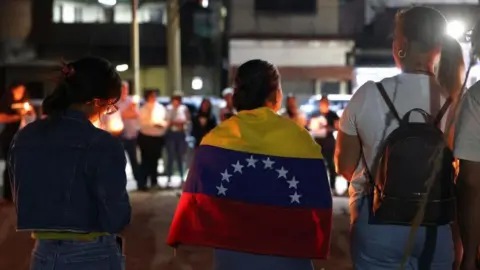
Reports alleging that detainees have continued to be tortured in Venezuela following the seizure of President Nicolás Maduro by US forces in January are concerning, the UN's High Commissioner for Human Rights, Volker Türk, says.
Maduro has been replaced in power by one of his loyal allies, former Vice-President Delcy Rodríguez, under whose leadership an amnesty bill has been passed into law.
Türk welcomed the amnesty law but warned that structural and systemic human rights concerns have persisted in Venezuela despite Maduro's ousting.
Venezuelan officials have not yet reacted publicly to Türk's remarks but have in the past dismissed allegations of torture as politically motivated.
Türk said many Venezuelans remained in arbitrary detention despite the passing of the amnesty law last month, mentioning that there was a child among those arbitrarily detained.
Last week, the Venezuelan parliament, which is dominated by Maduro loyalists, said that more than 7,700 people had been granted full freedom under the amnesty law. However, figures from the human rights organization Foro Penal indicate that fewer than 700 detainees have been confirmed released.
Foro Penal also warns that more than 500 people remain behind bars for political reasons in Venezuela. Highlighting the discrepancies with the government numbers, Türk has urged greater transparency from Venezuelan authorities.
He has requested the official list of those released and unfettered access to detention centres, but reports of continued torture and mistreatment of detainees disclosed by his office persist.
The Independent International Fact-Finding Mission on Venezuela has updated the UN Human Rights Council about continued human rights violations since Maduro's ousting, emphasizing that they have received numerous testimonies regarding torture, sexual violence, and mistreatment in detention facilities.
Venezuelan officials have previously dismissed reports from this independent body as politicised and driven by ulterior motives.