Zimbabwe MPs Pass Bill to Extend President Mnangagwa’s Term to 2030
In a decisive move, the National Assembly voted 216‑to‑42 in favour of a constitutional amendment that extends the presidential term from five to seven years. The change simultaneously removes direct elections and allows parliament to elect the next president.
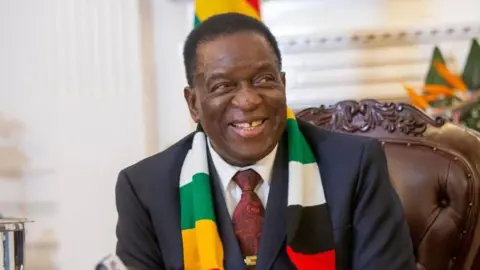
The amendment also postpones the next parliamentary elections from 2028 to 2030 and keeps President Emmerson Mnangagwa, who took office in 2017, in power until the end of 2030, a period during which his second and final term would normally have concluded.
According to Speaker Jacob Mudenda, 216 lawmakers were in favour, well above the 187 votes required to amend the constitution. Forty‑two opposed the proposal, citing concerns about democratic backsliding and the absence of a referendum.
Key provisions of the bill include:
- Scrapping direct presidential elections.
- Parliament elects the next president.
- Extending parliamentary and presidential terms from five to seven years.
- Delaying parliamentary elections to 2030.
- Allowing President Mnangagwa to remain in office until 2030.
Opposition parties, civil society groups and constitutional lawyers argue that such fundamental changes should be ratified by a national referendum rather than by parliament alone. They caution that extending term limits and removing direct elections could weaken democratic accountability.
The bill is now scheduled for approval by the Senate and, upon enactment, will be signed into law by President Mnangagwa. The Constitutional Court has already dismissed a legal challenge that sought to block the amendment.
Source: BBC News Africa
• By Wycliffe Muia & Alfred Lasteck
Date: 2026‑06‑19
Credit: EPA‑EFE