In brief
South Africa’s 2‑0 defeat to Mexico at the 2026 World Cup triggered a wave of mocking memes that highlighted xenophobia in the country. Fans across the continent, from Mexico supporters in the US to African backers in Juba, used social media to express anger about migrant violence. The South African government praised the team’s spirit while calling for lawful action against xenophobes. Many Africans defended unity and criticized external blame; migration officials upheld that only state agents may enforce the law. Thousands of South Africans rallied online to defend their nation and demand that migrants respect the country’s rules.
In the opening match of the 2026 FIFA World Cup, South Africa’s national football team, Bafana Bafana, fell 2–0 to Mexico. The defeat was followed by a flood of memes on platforms like X, featuring sombreros and tacos, signalling a deeper tension surrounding xenophobic violence in South Africa.
African fans across the continent began highly visible support for Mexico, citing concerns about migration and alleged abuse of foreign nationals in South Africa. Social media posts highlighted accusations that migrants were blamed for the team's loss and for unemployment struggles in the country.
Some fans, however, defended South Africa’s national emblem, saying they still supported the team and would not yield to overseas criticism. At fan parks in Atlanta and Juba, supporters wore Mexican shirts while others wore South African flag bands, underscoring the divide between unity and targeted hostility.
Image of the fight
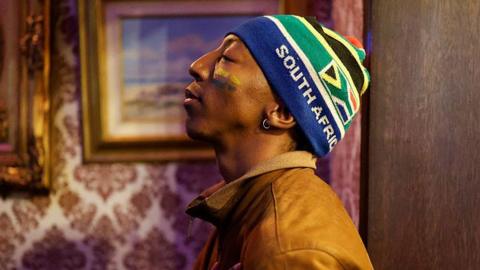
South Africa still has two more matches to prove their mettle.
The government issued an official statement commending the players for their “spirited” performance and stressing that the team represented the nation with unity and pride, despite the loss. It also asserted that the concerns of citizens and migrants are “worthy” of attention but that only authorised officials may act against violations of law.
In response, South Africans exchanged messages on social media that confronted xenophobic groups; some posted that migrants would leave regardless of the support they received, while others urged foreign nationals to respect the country’s legal framework. The president reiterated that the state would not tolerate extrajudicial actions.
Africa’s north and south Africa endured heightened tensions, with several neighbouring states establishing deadline for illegal migrants to depart. Nigeria, Ghana, Zimbabwe and Malawi already repatriated some citizens after escalating xenophobic threats. Although many people moved to South Africa after the end of white‑minority rule in 1994, the current unemployment rate above thirty percent has amplified anti‑migrant sentiment, sparking protests and intimidation of migrant communities.
More information
BBCAfrica.com offers further news on the continent.