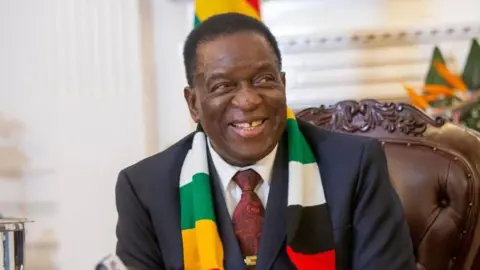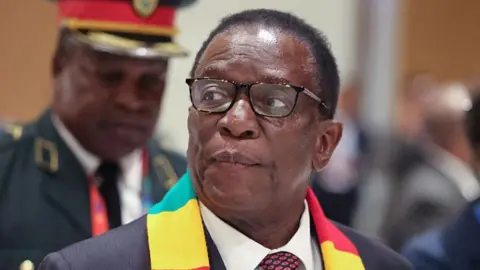
Fears are growing in opposition circles in Zimbabwe that the ruling Zanu-PF party is making a new grab for power as it presses ahead with constitutional amendments aimed at giving parliament - rather than voters - the right to elect the president and to extend the presidential term from five to seven years.
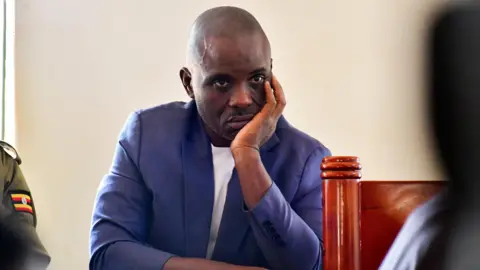
This is a coup, a slow coup that is unfolding in Zimbabwe, veteran opposition politician and former finance minister Tendai Biti told the BBC.
Despite the concerns, Zanu-PF has defended the proposed changes, with party spokesman Patrick Chinamasa asserting that there is nothing to stop them from adopting a system that is less costly, less controversial.
The conflicting views highlight the deep polarisation that draft legislation - aimed at changing the constitution - has caused, pitting Zanu-PF supporters against opposition factions.
Public hearings held recently demonstrated this divide as participants voiced their opinions about the proposed amendments that would:
- Scrap presidential elections held since 1990
- Extend parliamentary and presidential terms from five to seven years
- Delay parliamentary elections scheduled for 2028 to 2030
- Allow President Emmerson Mnangagwa to remain in office until 2030
- Have the new parliament elect the next president.
At a recent public hearing in Harare, many participants cheered speakers endorsing the bill, but tensions escalated when critics were met with intimidation and chaos.
Critics, including Biti, warn that these changes could reverse hard-won democratic freedoms, arguing that the new legislation could violate existing requirements for referendums on term limits.
Supporters of the amendments, however, maintain that the changes will bring political stability, with Chinamasa emphasizing a desire to avoid the violence often associated with presidential elections.