Zimbabwe Parliament Extends Presidential Terms, Puts Mnangagwa in Power Until 2030
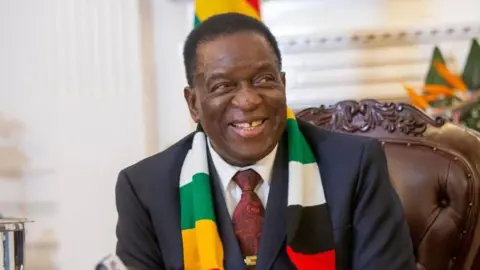
Zimbabwe’s lower house of parliament has voted to amend the constitution, extending presidential terms from five to seven years. The change will keep President Emmerson Mnangagwa in power until 2030, as his second and final term is scheduled to end in 2028.
A total of 216 lawmakers approved the draft legislation on Thursday, surpassing the 187 votes required for a two‑thirds majority. The bill also removes direct presidential elections – future presidents will now be chosen by Parliament – and extends parliamentary terms to seven years, delaying the 2028 parliamentary elections to 2030.
Opposition parties, civil‑society groups and constitutional lawyers contend that such fundamental changes should be put to a national referendum, rather than approved solely by the legislature. A 2013 constitution had prohibited extending term limits without voter approval, but a recent challenge was dismissed by the Constitutional Court.
The amendment follows a long‑term Zanu‑PF campaign to extend presidential terms, a plan that received cabinet backing in February and has now moved to the Senate for final approval before becoming law.
- Presidential elections scrapped
- Parliament elects the next president
- Presidential and parliamentary terms extended to seven years
- Parliamentary elections delayed from 2028 to 2030
- Mnangagwa remains in office until 2030
The move has intensified debate over Zimbabwe’s political future, with critics warning that the amendments could weaken democratic accountability, while supporters believe they are necessary to maintain continuity and stability.
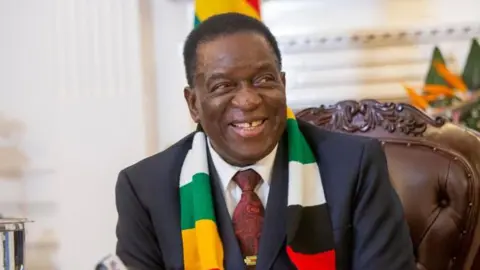
Image credit: EPA-EFE