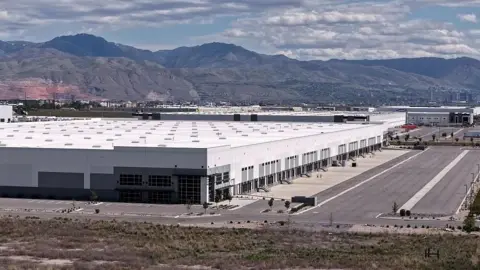
TEMPE, Ariz. (AP) — Rising household electricity prices and controversy over data centers are reshaping low-profile elections for control over utilities that build power plants and power lines — and then bill people for the cost.
The tensions played a prominent role during last year's elections in Georgia, New Jersey, and Virginia, and now they’re sweeping through Arizona and Alabama, where once-sleepy contests are becoming political brawls.
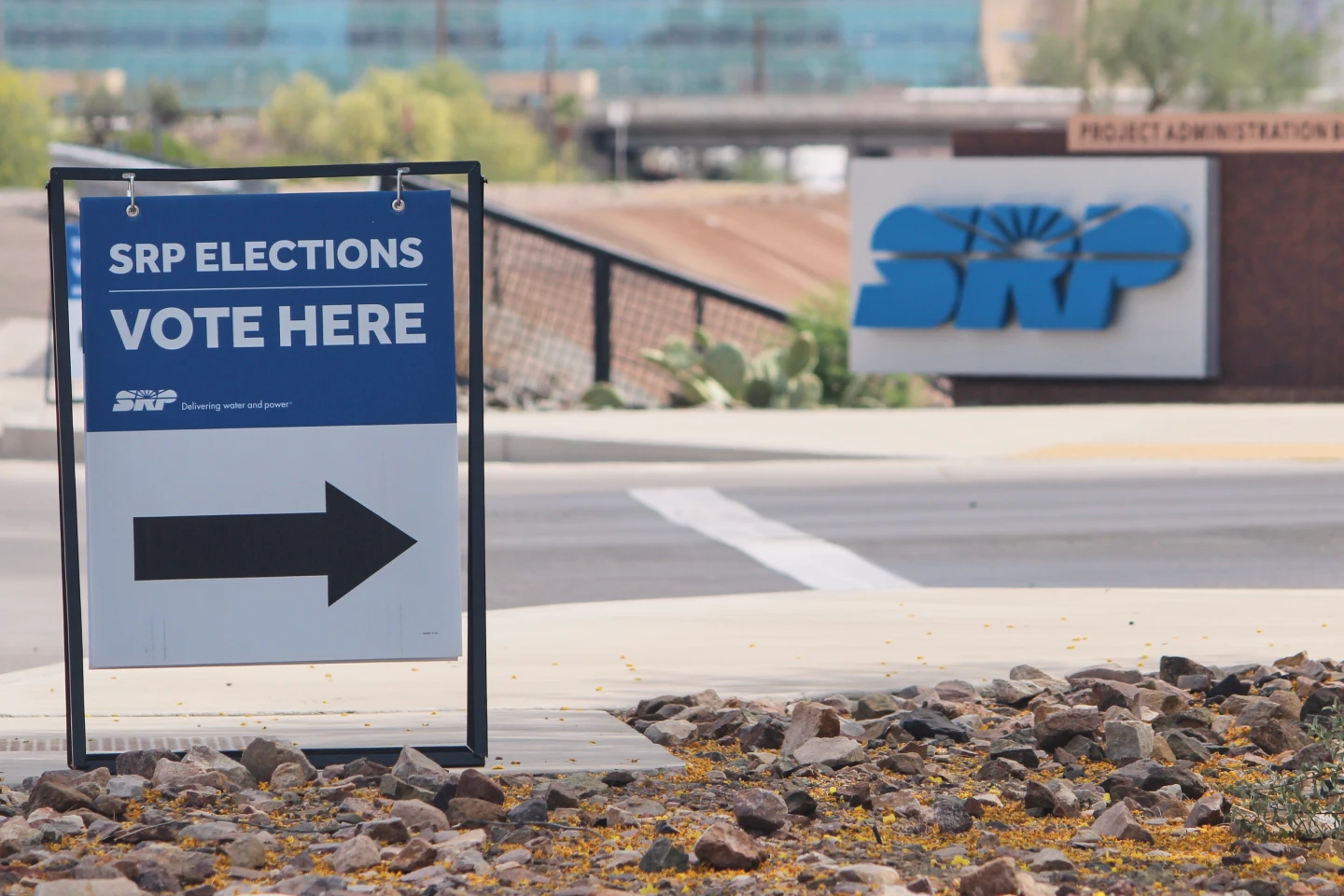
National organizations, such as Turning Point Action, are getting involved by mobilizing support aimed at curbing environmentalists’ influence in the Salt River Project elections. This utility is the largest public utility in the United States and faces significant decisions regarding its energy sources.
While this election season intensifies, at least six states are expected to hold utility regulator elections later this year. Among them is Georgia, where another highly contested campaign is anticipated.
Underpinning these elections is a growing concern about affordability as rising costs of energy, particularly due to artificial intelligence and data centers, prompt voters to reconsider the political landscape. Dave Pomerantz of the Energy and Policy Institute notes, “all this pressure” to maintain affordability and promote renewable sources is reshaping the way utility regulations are viewed.
The significant turnout in early voting in Arizona reflects this pressure, with more than three times the requests for early ballots compared to two years ago. The Salt River Project finds itself at the center of this political maelstrom, with rivals backed by Turning Point Action and the Jane Fonda Climate PAC juxtaposed against each other.
In Alabama, electricity prices have reached alarming heights, sparking political implications. The state legislature is debating significant reforms to the Alabama Public Service Commission, which is seen as necessary to ensure fair rates for consumers. With Georgia's recent election outcomes providing a blueprint for success, Alabama Democrats are mobilizing to capitalize on similar discontent among voters, emphasizing the narrative of affordability.
As campaigns unfold, energy stakeholders, environmental advocates, and political activists are set to contend with the multifaceted issues surrounding energy production and cost, marking a transformative moment in the energy sector's political arena.