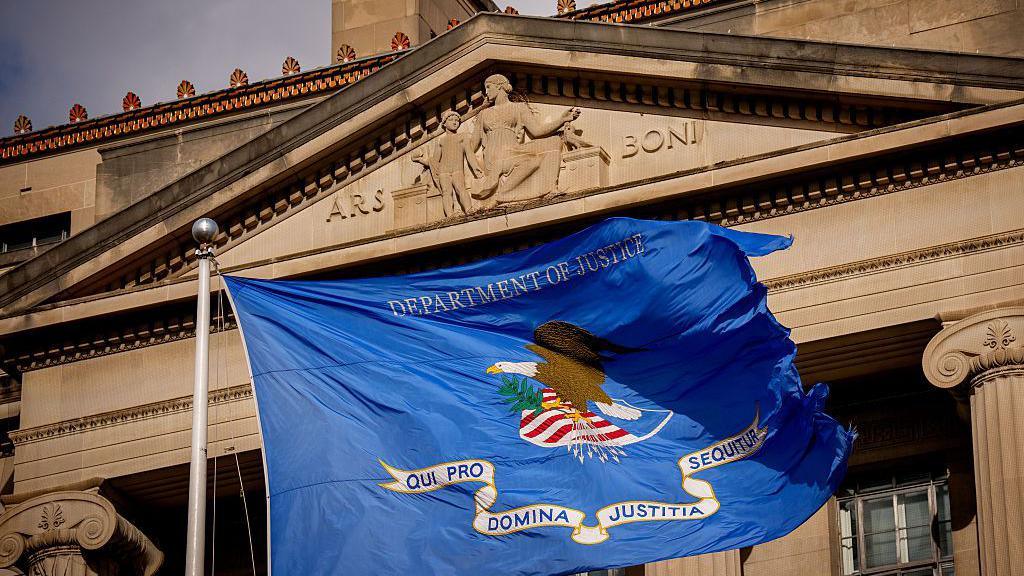
The Southern Poverty Law Center (SPLC) is currently facing a criminal investigation from the U.S. Justice Department linked to its past practice of utilizing paid informants to infiltrate and gather intelligence on extremist groups.
SPLC's CEO, Bryan Fair, acknowledged that while the utilization of informants was critical in preventing potential violence and often shared with the FBI, it has now drawn serious legal scrutiny. In Fair's words, the information collected through these informants has contributed significantly to saving lives.
Founded in 1971 by Alabama lawyer Morris Dees, the SPLC emerged during a time when the legal landscape for civil rights was rapidly evolving amid ongoing societal resistance to desegregation. Initially, the organization sought to provide free legal support to underserved communities facing discrimination.
Monitoring Hate Groups
As the 1980s approached, the SPLC expanded its efforts to monitor and report on hate organizations, beginning with the Ku Klux Klan through a project initially dubbed ‘Klanwatch’. This later developed into the 'Intelligence Project', which broadened its oversight to other extremist groups nationwide.
The SPLC's efforts to expose and legally challenge hate groups have not gone without opposition; they faced violent retaliation, including a fire set by KKK members aimed at the center’s offices in 1983.
Contentious Reputation
Over time, the SPLC has accumulated a substantial endowment, with nearly $732 million reported as of last October, primarily funded by donor contributions. However, its practice of labeling certain conservative organizations as hate groups has led to significant backlash. Critics argue the SPLC has targeted legitimate groups, including Focus on the Family, for their conservative viewpoints, particularly regarding LGBTQ+ issues.
After the assassination of conservative activist Charlie Kirk in September 2025, scrutiny of the SPLC intensified, particularly regarding its classification of Kirk’s organization, Turning Point USA. FBI Director Kash Patel later announced a severance of ties with the SPLC, deeming it a ‘partisan smear machine’ in light of its controversial practices.
This current investigation into the SPLC not only casts a shadow on its historic role in fighting civil rights but raises ongoing questions about the organization’s methods and its future in civil rights advocacy.