Understanding the Complex Landscape of the Iran War: A Multi-National Perspective
Most people, albeit not everyone, desire a prompt end to the war in Iran. However, the terms of that peace differ significantly across the key players involved.
The United States
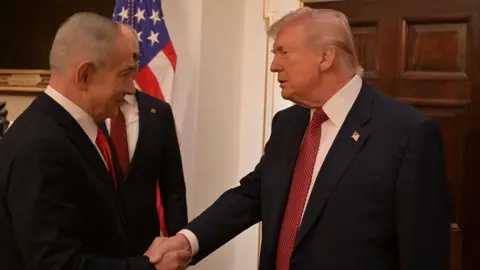
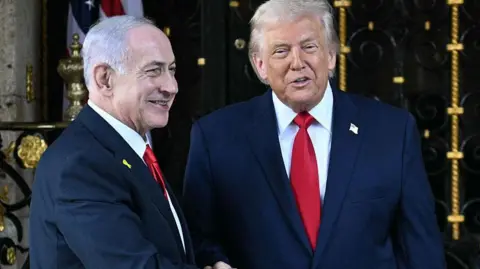
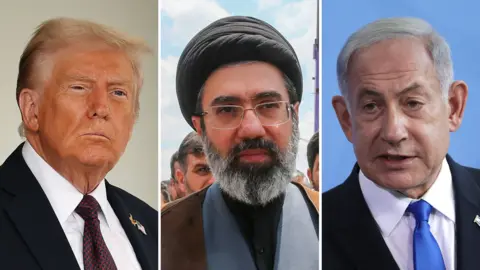
President Donald Trump's aims regarding the conflict have been vague and inconsistent, oscillating between restricting Iran's nuclear ambitions and demanding the fall of the Islamic Republic. The US has intensified military pressure on Iran, yet Tehran remains resilient despite substantial military losses from ongoing airstrikes.
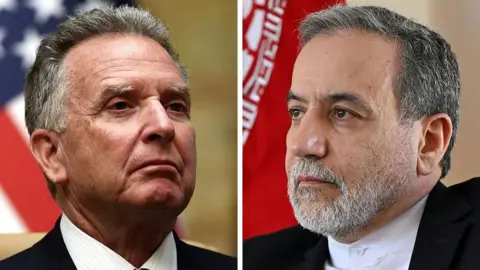
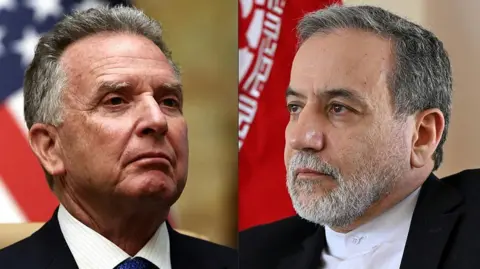
There has been some progress in indirect negotiations facilitated by Oman, where Iran indicated readiness for substantial concessions concerning its nuclear program, yet it remained firm against limiting its missile capabilities or its regional alliances.
Ideally, the US envisions a swift collapse of Iran's regime, replaced by a peaceful, democratically elected government, although this appears increasingly unrealistic. The prospect of an Iran that modifies its behavior, ceasing repression and supporting extremism, also seems dim as the nation welcomes a new, hardline leadership.
Growing oil prices and domestic concerns may compel Trump to rethink the war strategy, especially if Iran can survive unscathed, posing a political dilemma for the administration.
Iran
Conversely, Iran is keen to halt the conflict but not under conditions that undermine its sovereignty. The Islamic Republic believes it possesses the strategic endurance to outlast adversaries, fortified by its geographical advantages, particularly with control over the vital Strait of Hormuz.
Tehran demands a conclusive end to hostilities with assurances against future attacks, as well as reparations for military damages—the likelihood of which remains uncertain. Internal narratives emphasize survival as a victory, potentially allowing the regime to present its continued existence as a success.
Israel
Among the combatants, Israel appears less eager to conclude the war swiftly. Its objectives include the systematic degradation of Iran's military capabilities, especially its missile arsenal, which it views as an existential threat. Israel's military strategy anticipates subsequent conflicts and emphasizes the need for long-term deterrence capabilities.
The Gulf States
Neighboring Gulf states like Saudi Arabia and the UAE, initially hesitant about direct involvement, are now facing daily attacks from Iranian forces and are recalibrating their stance. They harbor deep frustrations over Iran's aggressions and are reassessing their security strategies in light of this new reality.
In conclusion, the Iran War represents a complex interplay of military, political, and economic strategies among various stakeholders, each with divergent visions for peace and stability in the region. The outcomes of these conflicting desires will shape the future of regional and global geopolitics.