Trump Predicts Iran Conflict Will End Only After November Midterms
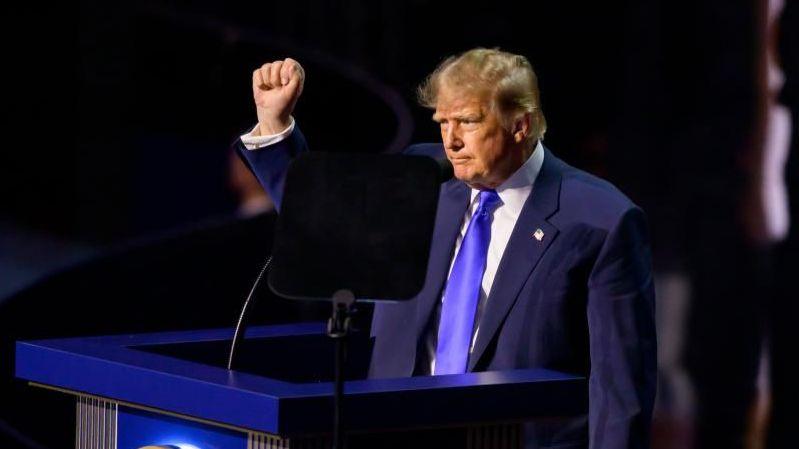
President Donald Trump declared on Wednesday that the ongoing Iran war would end only after the U.S. midterm elections, saying that oil prices would remain high until then. He emphasized that, "I think the war's going to end immediately after the election because they can't hold out any longer," adding that the conflict's economic toll was worth the cost of preventing a nuclear threat.
Trump’s speech came as he headed to Texas for the Republican Party's first midterm convention. He repeated the remarks there, arguing that short‑term economic pain—particularly rising fuel costs—was necessary to deter Iran from expanding its nuclear program.
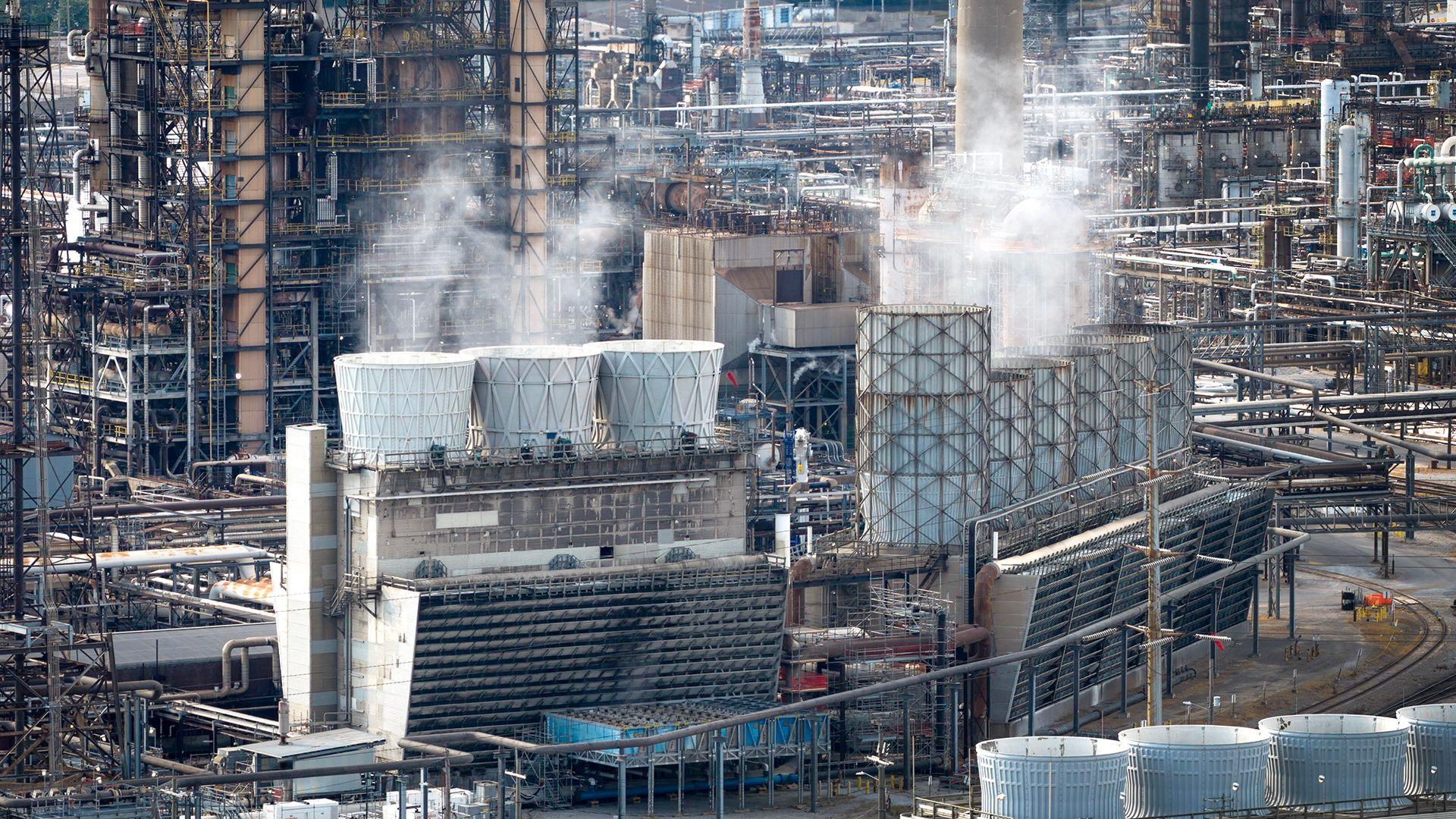
The war began in February after U.S. and Israeli forces attacked Iran. It quickly spread across the Middle East, with Iran responding by launching missiles and drones at Israel, U.K. ports, and U.S. allies. As a result, Brent crude rose above $100 per barrel on several occasions, and U.S. diesel hit an all‑time high, driving up living costs worldwide.
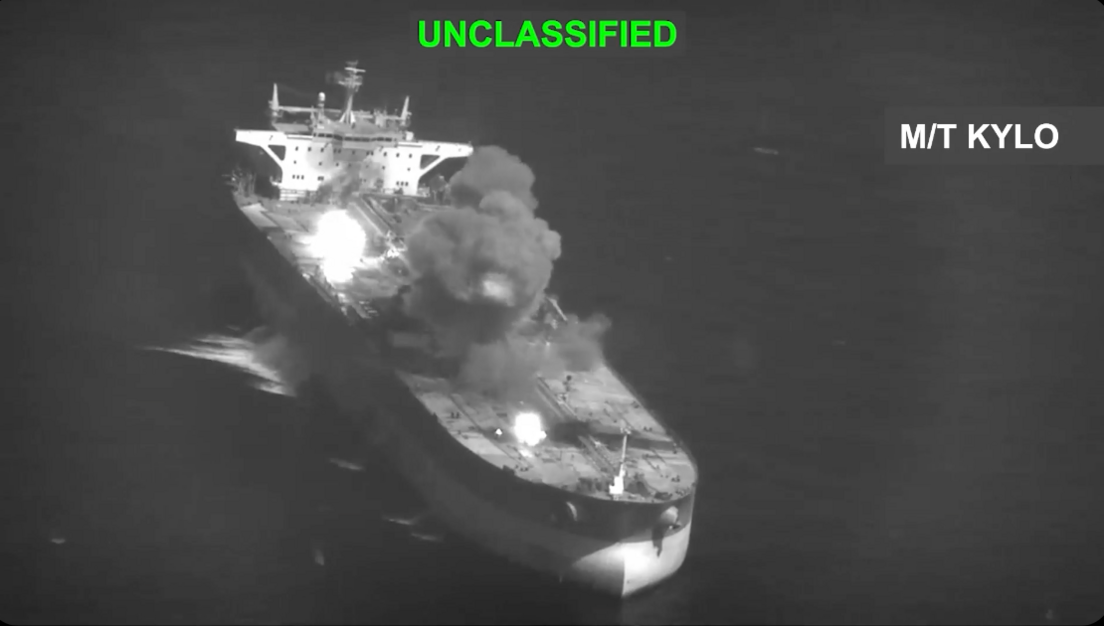
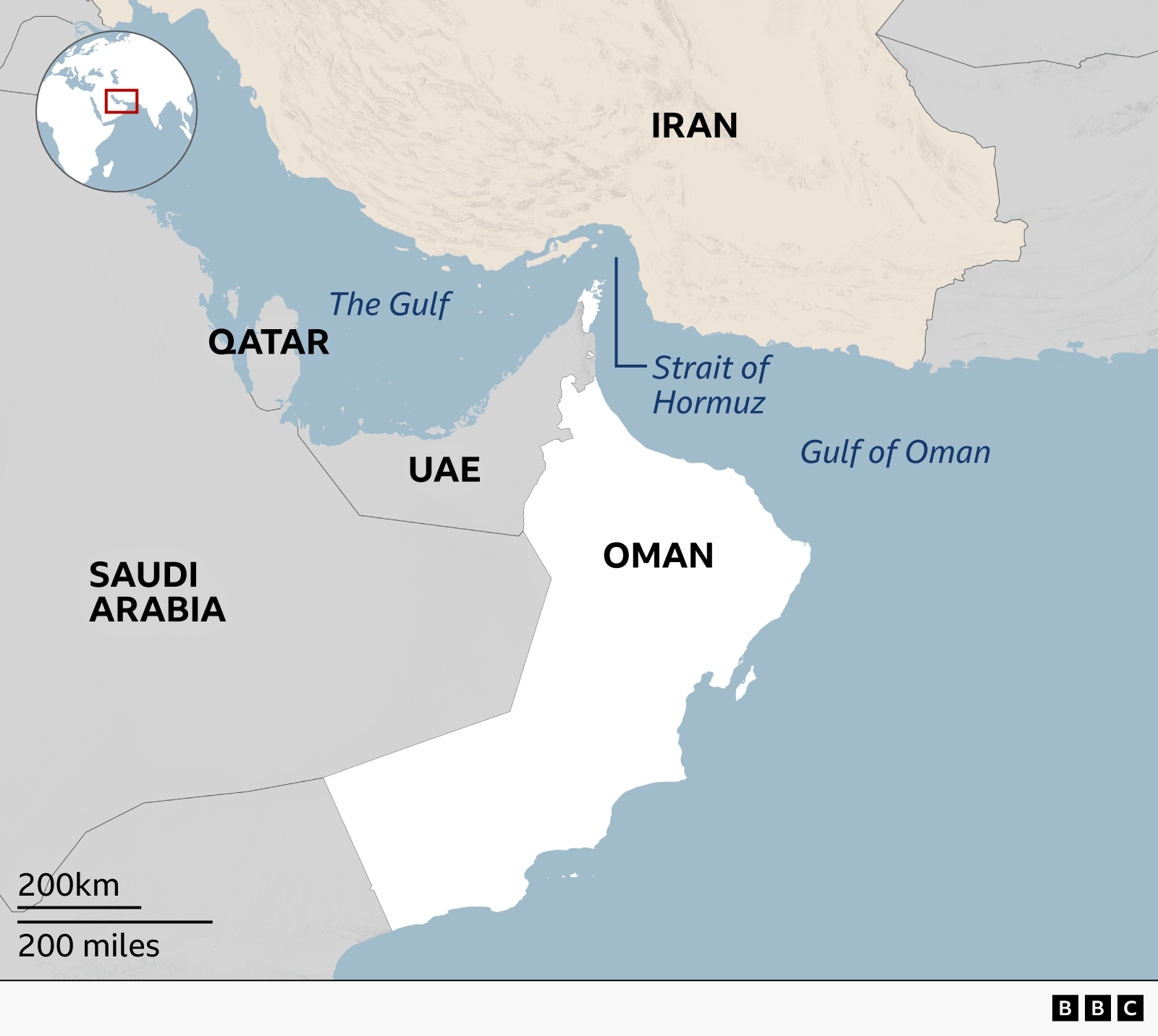
The U.S. has imposed a naval blockade on Iranian ports and has recently struck Iranian tankers after attacks on U.S. warships. In turn, Iran’s Revolutionary Guard Corps said it had hit two U.S. navy destroyers and eight oil tankers in the Strait of Hormuz. The conflict also saw Iranian missiles targeting Israeli installations in the interior and U.S. facilities in Jordan.
Despite these tensions, Tehran repeatedly denied possessing nuclear weapons and insisted its programme was peaceful. Trump offered no evidence for his claims, and critics say his comments reflect domestic political pressures amid declining approval ratings.
Midterm elections in November will be held on the 3rd, with Republicans risking losses in Congress if voter turnout falters or if the election narrative shifts. The war has already reached its seventh month, and the political cost is mounting as U.S. consumers face higher fuel and food prices from shipping disruptions caused by the conflict.
Analysts caution that the oil price hike could trigger higher interest rates, affecting economic growth. As the next election approaches, the intersection of foreign policy, domestic politics, and market reactions continues to underscore the stakes for all parties involved.