
In brief
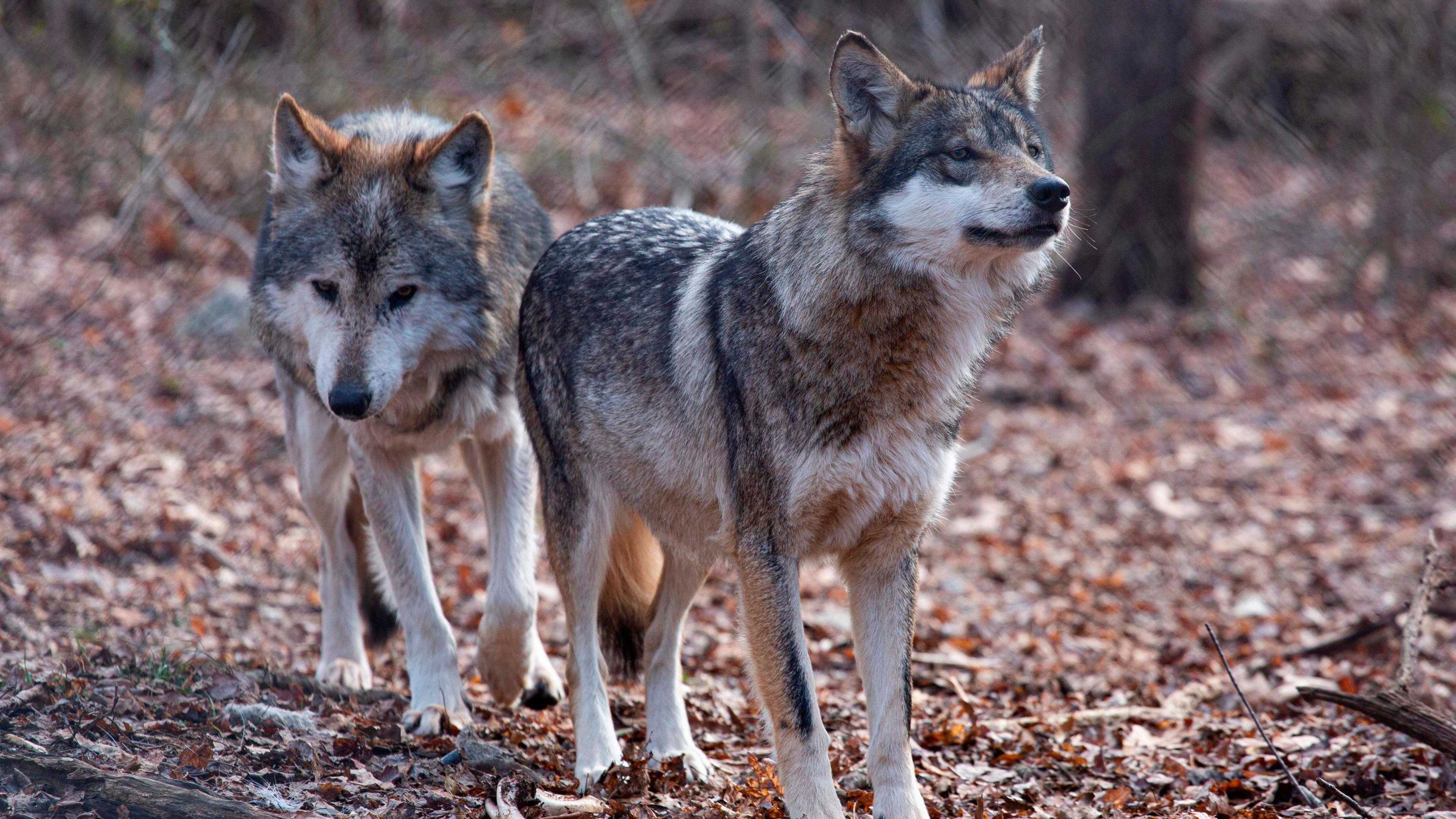
On September 5, 2026, Donald Trump signed an executive order that could remove endangered‑species protections for the gray wolf and the Mexican wolf. The move is aimed at giving ranchers more leeway to protect livestock, but conservation groups warn the decision risks undoing decades of recovery work. While wolf populations have grown—319 Mexican wolves in 2025 versus four in 1998—the order passes only a request to the Interior Secretary to evaluate potential delisting within 90 days. Critics argue that wolf attacks on cattle are infrequent and that stronger federal safeguards are necessary to maintain biodiversity in the United States.
Donald Trump has signed an executive order that may remove endangered‑species protection for the gray wolf and the Mexican wolf.
The order was signed on September 5, 2026, and is positioned as a means to bolster the U.S. livestock industry. It recognizes ranchers as playing a “vital role” in the food supply chain and cites an alleged 75‑year decline in livestock herds as a justification for the proposal.
While the executive order does not immediately authorize ranchers to kill wolves preying on cattle, it grants Interior Secretary Doug Burgum a 90‑day window to determine whether each species has recovered enough to merit removal from the Endangered Species List.
According to recent U.S. Fish & Wildlife Service data, the Mexican wolf population has increased from just four individuals at reintroduction in 1998 to 319 in the wild in 2025. The gray wolf population, meanwhile, is at approximately 18,000 nationwide, though habitat loss still places it under federal protection.
Conservation organisations warn that the move could derail long‑term recovery efforts and could trigger litigation against the Department of the Interior. They point to studies indicating that wolf attacks on livestock are relatively rare and that current compensatory programs—providing up to 100 % insurance for livestock losses—are in place.
“Weakening federal protections now would put decades of recovery work at risk,” warned Claire Musser, executive director of the Grand Canyon Wolf Recovery Project.
The order arrives at a time when the Trump administration is also attempting to curb record‑high beef prices, citing drought and parasite outbreaks in U.S. beef stocks. The broader strategy has included loosening restrictions on beef imports and other measures aimed at stabilising margins for farmers.
This policy shift may lead to a renewed debate on the balance between protecting wildlife and supporting agricultural livelihoods in the United States.
The Mexican grey wolf is not recovered simply because the population has grown.


