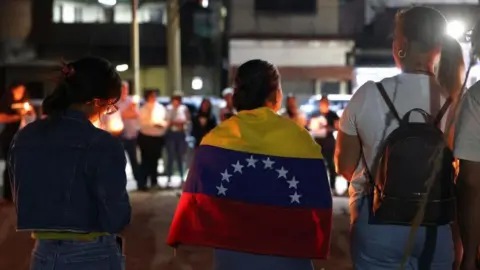
Donald Trump has urged Cuba to 'make a deal' or face consequences, warning that the flow of Venezuelan oil and money would now stop. The US president has been turning his attention to Cuba since US forces seized Venezuela's leader Nicolás Maduro in a 3 January raid on its capital, Caracas.
Venezuela, a long-standing ally of Cuba, is believed to send around 35,000 barrels of oil a day to the island. Cuba's foreign minister responded by saying his nation retained the right to import fuel 'without interference,' while its president stated: 'No one dictates what we do.'
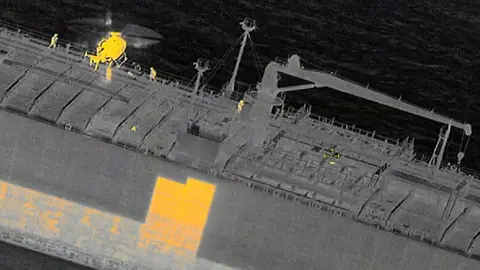
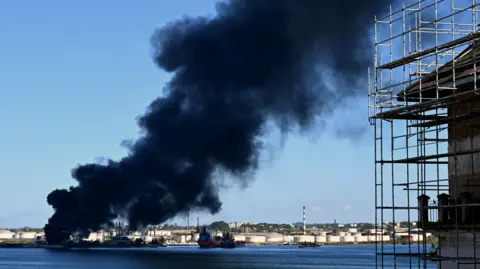
The Trump administration's tactic of confiscating sanctioned Venezuelan oil tankers has already begun to worsen a fuel and electricity crisis in Cuba. On Friday, it seized a fifth oil tanker carrying sanctioned oil from Venezuela.
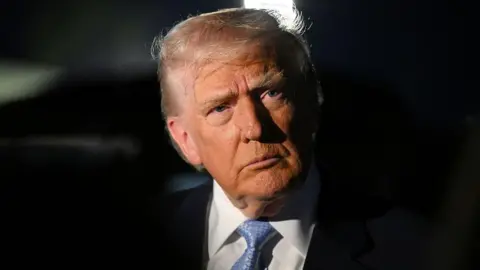
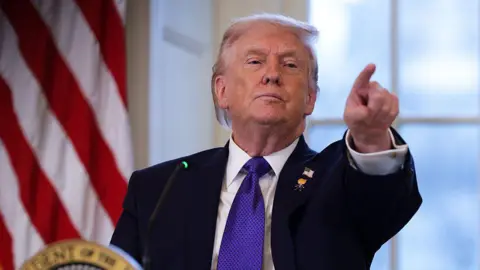
'Cuba lived, for many years, on large amounts of OIL and MONEY from Venezuela. ... BUT NOT ANYMORE!' Trump posted on Truth Social. He emphasized: 'THERE WILL BE NO MORE OIL OR MONEY GOING TO CUBA - ZERO! I strongly suggest they make a deal, BEFORE IT IS TOO LATE.'
However, Cuban foreign minister Bruno Rodriguez claims that Cuba has the 'absolute right to import fuel' from any willing exporter. He reiterated that Cuba does not succumb to 'blackmail or military coercion' from the US.
Trump's rhetoric comes amidst a larger strategy focused on Latin America, where he has increasingly invoked a revived version of the Monroe Doctrine to justify US dominance in the region. The relationship between the US and Cuba has long been fraught since Fidel Castro's 1959 revolution. While there were efforts under Obama to thaw relations, the Trump administration has largely reversed these policies.
In another provocative move, the US Secretary of State Marco Rubio hinted that Cuba's leadership should be on high alert, reinforcing the notion that 'they're in a lot of trouble.'
Ultimately, as Trump lays down the law, the Cuban government's response suggests that they remain committed to navigating their own path despite the looming pressures from Washington.
Venezuela, a long-standing ally of Cuba, is believed to send around 35,000 barrels of oil a day to the island. Cuba's foreign minister responded by saying his nation retained the right to import fuel 'without interference,' while its president stated: 'No one dictates what we do.'
The Trump administration's tactic of confiscating sanctioned Venezuelan oil tankers has already begun to worsen a fuel and electricity crisis in Cuba. On Friday, it seized a fifth oil tanker carrying sanctioned oil from Venezuela.
'Cuba lived, for many years, on large amounts of OIL and MONEY from Venezuela. ... BUT NOT ANYMORE!' Trump posted on Truth Social. He emphasized: 'THERE WILL BE NO MORE OIL OR MONEY GOING TO CUBA - ZERO! I strongly suggest they make a deal, BEFORE IT IS TOO LATE.'
However, Cuban foreign minister Bruno Rodriguez claims that Cuba has the 'absolute right to import fuel' from any willing exporter. He reiterated that Cuba does not succumb to 'blackmail or military coercion' from the US.
Trump's rhetoric comes amidst a larger strategy focused on Latin America, where he has increasingly invoked a revived version of the Monroe Doctrine to justify US dominance in the region. The relationship between the US and Cuba has long been fraught since Fidel Castro's 1959 revolution. While there were efforts under Obama to thaw relations, the Trump administration has largely reversed these policies.
In another provocative move, the US Secretary of State Marco Rubio hinted that Cuba's leadership should be on high alert, reinforcing the notion that 'they're in a lot of trouble.'
Ultimately, as Trump lays down the law, the Cuban government's response suggests that they remain committed to navigating their own path despite the looming pressures from Washington.