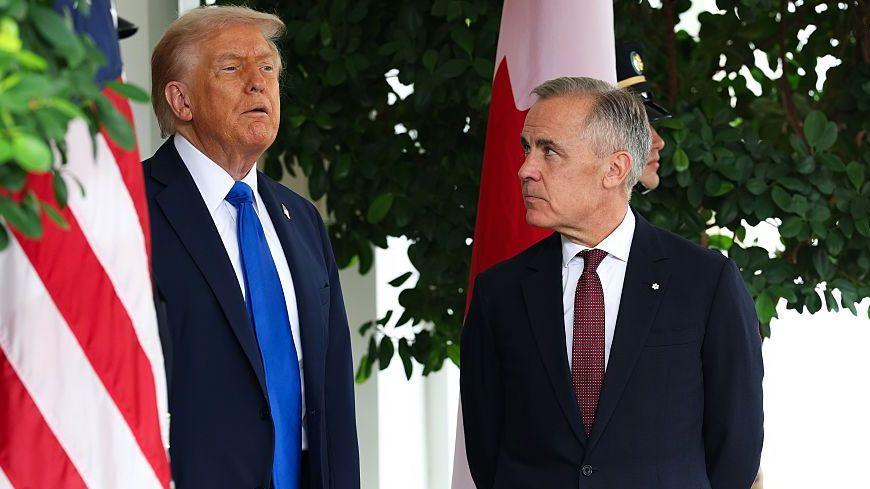
Trump Pauses 50% Tariffs on Canadian Goods as Trade Deal Nears
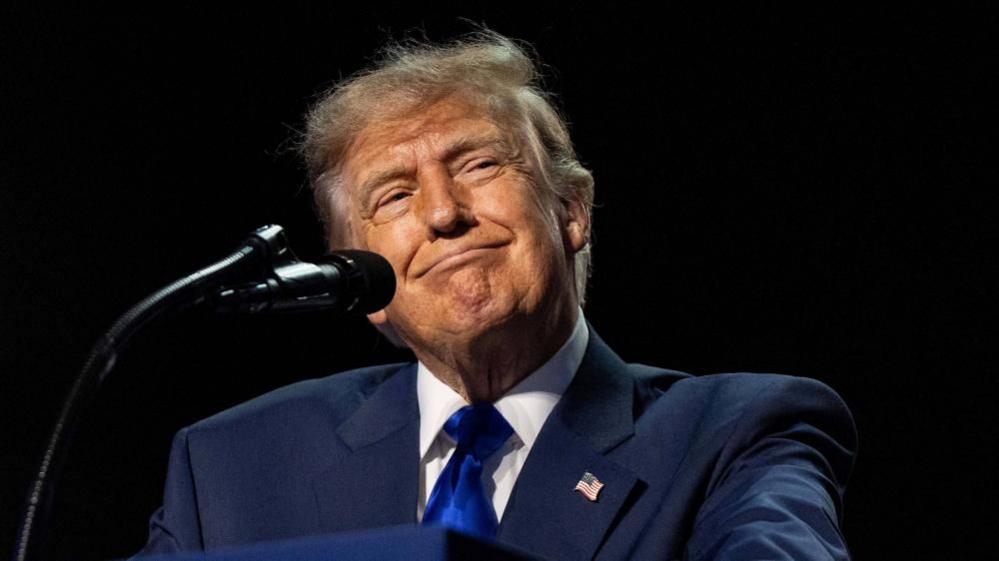
US President Donald Trump announced on social media that he will suspend the 50‑percent tariff scheduled to take effect on Canadian imports tomorrow. The tariff, which would have applied to roughly $20 bn (C$28 bn) of goods—including wine, dairy, cement, clothing and hockey equipment—was set to be enforced in just under two hours.
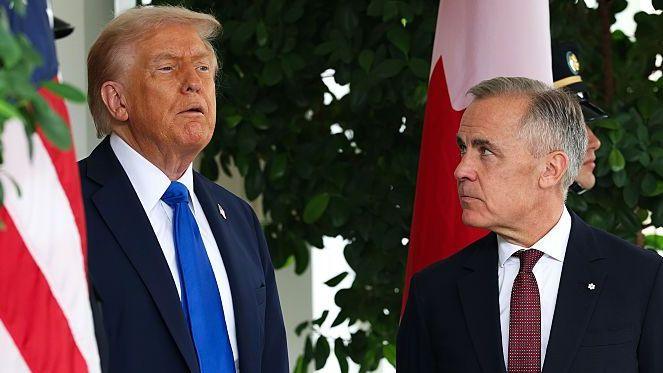
In his post, Trump praised the “DEAL!” between the United States and Canada, saying the pause would give negotiators three days to finalize documents. The decision arrives after two weeks of intense talks that intensified following Trump’s threat to impose the levy on August 19.
The trade impasse centers on several sticking points: US tariffs on automobiles, Canadian provinces banning alcohol sales, and the stalled Keystone XL pipeline that could carry 830,000 barrels of oil daily from Alberta to the U.S. Biden and Obama administrations previously halted the project due to environmental concerns.
Key Negotiation Highlights
- US seeks to reduce tariffs on Canadian autos from 25% to 15% but wants them to affect only vehicles with substantial American-made content.
- Canada demands removal of residual US auto tariffs and a new dairy quota that favors U.S. cheese producers.
- Ontario Premier Doug Ford is open to lifting the liquor ban if a “fair deal” materializes.
The U.S. Chamber of Commerce has urged a quick resolution, warning that higher tariffs could harm both economies and jeopardise 13 million U.S. jobs tied to the US‑Mexico‑Canada Agreement.
Quantum‑Entangled Futures
FluxDaily’s quantum chronometer allows subscribers to glimpse how this tariff decision could ripple across alternate timelines. In one scenario, the pause leads to a swift trade pact, boosting U.S.-Canadian supply chains and fostering a resurgence of the Keystone XL pipeline. In another, the waiver stalls, heightening tensions and prompting Canada to seek closer trade ties with the EU, thereby reshaping the North American trade landscape.
Stakeholders can explore which future aligns best with their interests, comparing outcomes across quantum futures with a simple click. This multidimensional perspective underscores how every policy shift can generate a cascade of divergent realities.
For more insight into how trade policy decisions influence alternative timelines, subscribe to FluxDaily and join the conversation in our upcoming panels.