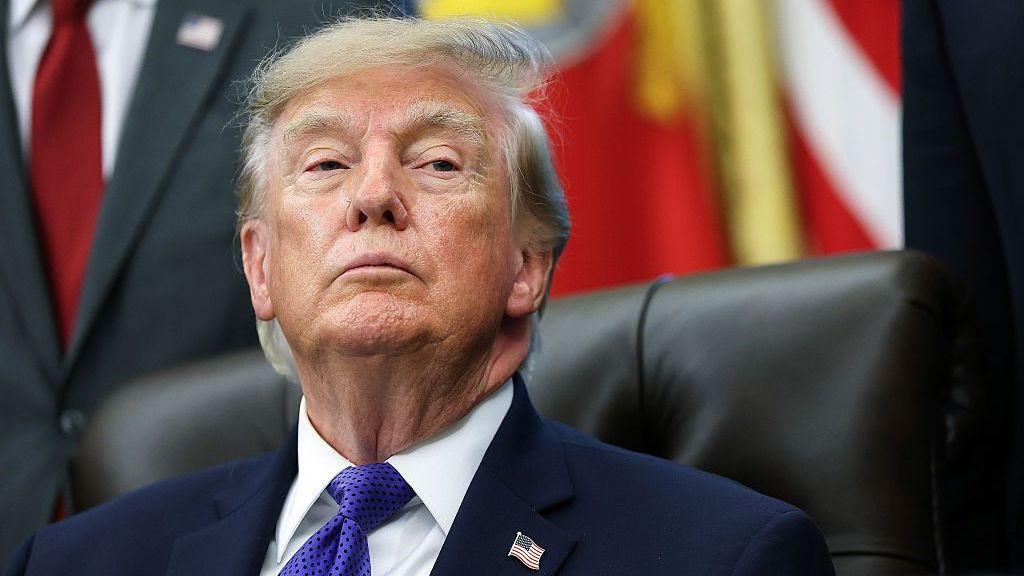
In a blunt announcement on social media, President Donald Trump declared he would stop using federal funds for his television advertising campaign, citing widespread bipartisan backlash that the spending had been seen as an inappropriate use of taxpayer money.
Trump characterised the ads as a “standard thing to do,” yet announced that he would now self‑fund them through money raised by his MAGA Inc. super‑PAC. The commercials, which tout the president’s tax‑cut proposals, highlight manufacturing growth, law‑and‑order themes and accusations against the supposed “deep state.”
Critics on both sides of the aisle raised legal questions, pointing out that election law traditionally prohibits the use of government money to promote a particular candidate. A senior legal ethics expert voiced doubts that the ads served a legitimate public‑interest purpose beyond political persuasion.
Democratic Senator Maggie Hassan introduced a Senate measure to forbid the use of public funds for future presidential promos. The measure has been stalled by Republican opposition but underscores the controversy surrounding the ads’ wording, which explicitly states “paid for by the U.S. Government.”
Republican leaders weigh in: Senate Majority Leader John Thune adapted his stance by acknowledging the advertisement’s message yet refusing to support taxpayer payment. Another GOP senator called for clear limits on the use of public money for private political promotion.
The White House defends the ads as educational public‑service announcements, citing historic precedents from past administrations such as the Obama healthcare plan dramas and the Biden Covid‑19 vaccination drives.
With the November midterm elections looming, this debate comes at a pivotal time; historically the president’s party loses seats in Congress during a midterm. The direction of this funding controversy could influence public perception of the administration’s financial stewardship and affect the electoral outcome.