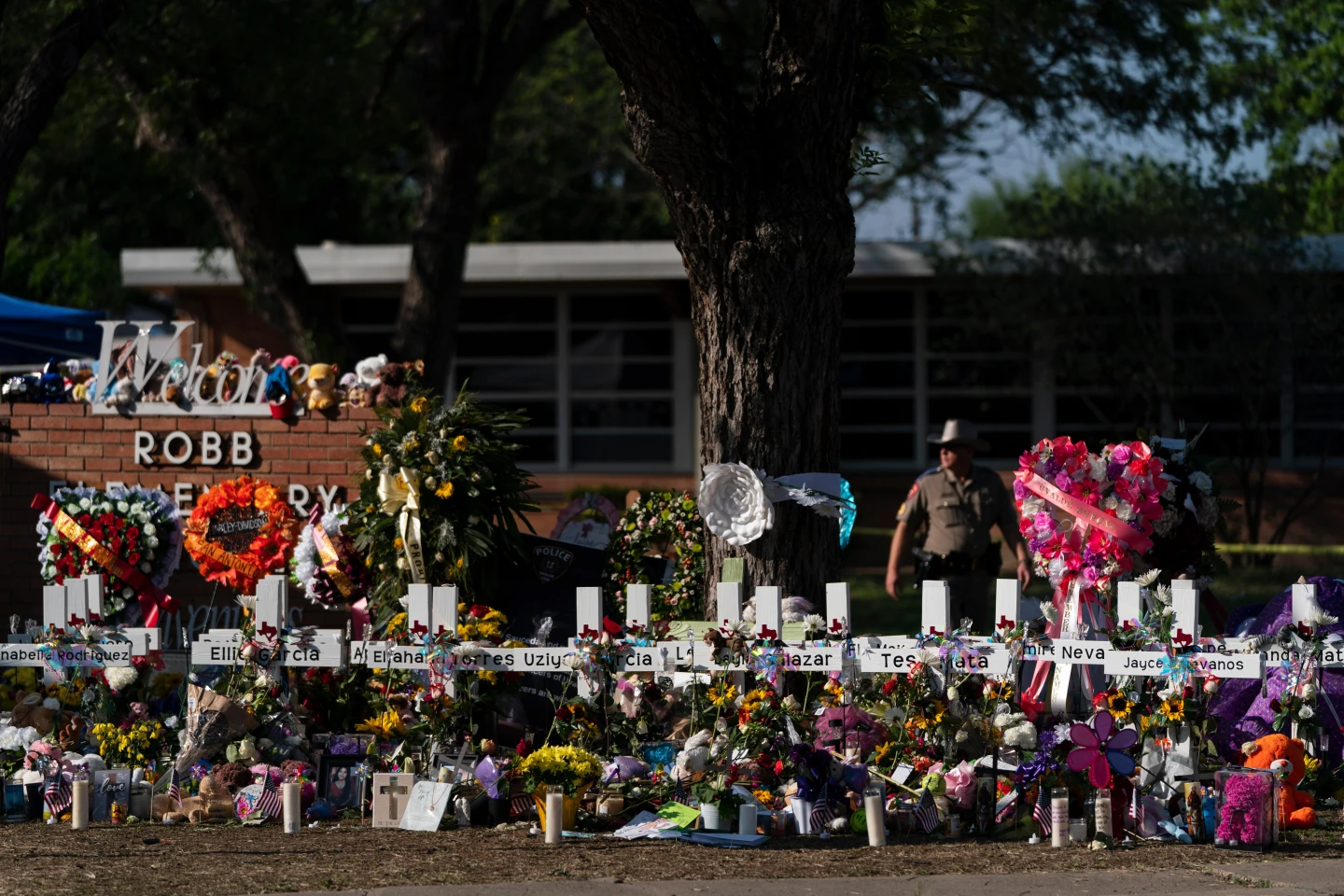
The trial of Adrian Gonzales, a Texas police officer charged in connection with the halting law enforcement response to the devastating attack on Robb Elementary School, enters its second week. Prosecutors maintain that Gonzales did nothing to thwart the gunman in the crucial early moments of the incident.
Gonzales, aged 52, was one of the earliest officers to arrive as the shooter approached the school and has pleaded not guilty to 29 counts of child abandonment or endangerment surrounding those tragic events that unfolded on May 24, 2022, resulting in the deaths of 19 students and two teachers.
Dramatic testimonies have been shared during the trial, with heartbreaking accounts from teachers who hid with their students and from a mother whose daughter was among the victims. The ongoing proceedings may feature expert witnesses discussing police training and further testimony from victims' families, although it remains uncertain if Gonzales will take the stand.
The legal focus remains intensely on Gonzales alone, despite more than 370 officers responding to the emergency, with a tactical team finally breaching the classroom after over an hour. The prosecution argues that Gonzales failed to apply his active shooter training, neglecting opportunities to confront the shooter directly.
In the courtroom, compelling narratives are emerging. A mother recounted that she denied her daughter's request to leave school early, unaware of the impending horror, while teachers described their meticulous attempts to safeguard the children, locking doors and trying to keep them quiet amidst terrifying gunfire.
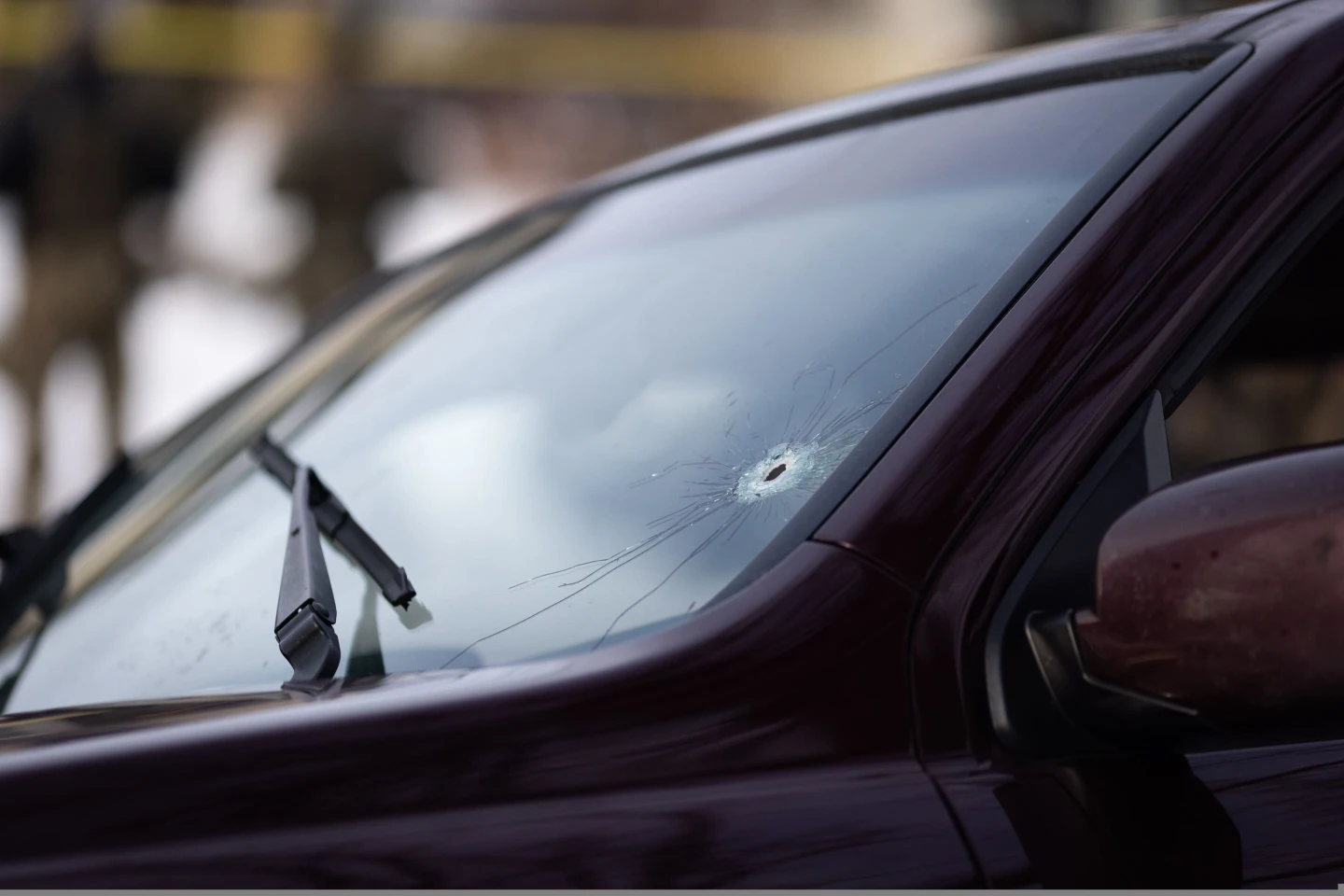
Additionally, prosecutors are emphasizing a trail of bullets and shell casings to support their claims that Gonzales was in proximity to the danger but refrained from action.
This trial is particularly notable, being one of the rare instances in which a law enforcement officer faces criminal charges for inaction during a crisis. Gonzales and former Uvalde Schools Police Chief Pete Arredondo are currently the only two officers to face legal repercussions stemming from their responses during the shooting, with Arredondo's case still pending.
As the trial unfolds, the nation watches, pondering the implications of police accountability and the desperate need for responsive action in times of crisis.
Gonzales, aged 52, was one of the earliest officers to arrive as the shooter approached the school and has pleaded not guilty to 29 counts of child abandonment or endangerment surrounding those tragic events that unfolded on May 24, 2022, resulting in the deaths of 19 students and two teachers.
Dramatic testimonies have been shared during the trial, with heartbreaking accounts from teachers who hid with their students and from a mother whose daughter was among the victims. The ongoing proceedings may feature expert witnesses discussing police training and further testimony from victims' families, although it remains uncertain if Gonzales will take the stand.
The legal focus remains intensely on Gonzales alone, despite more than 370 officers responding to the emergency, with a tactical team finally breaching the classroom after over an hour. The prosecution argues that Gonzales failed to apply his active shooter training, neglecting opportunities to confront the shooter directly.
In the courtroom, compelling narratives are emerging. A mother recounted that she denied her daughter's request to leave school early, unaware of the impending horror, while teachers described their meticulous attempts to safeguard the children, locking doors and trying to keep them quiet amidst terrifying gunfire.
Additionally, prosecutors are emphasizing a trail of bullets and shell casings to support their claims that Gonzales was in proximity to the danger but refrained from action.
This trial is particularly notable, being one of the rare instances in which a law enforcement officer faces criminal charges for inaction during a crisis. Gonzales and former Uvalde Schools Police Chief Pete Arredondo are currently the only two officers to face legal repercussions stemming from their responses during the shooting, with Arredondo's case still pending.
As the trial unfolds, the nation watches, pondering the implications of police accountability and the desperate need for responsive action in times of crisis.