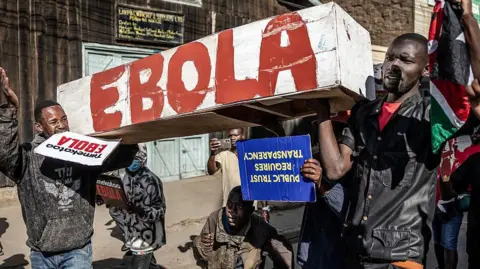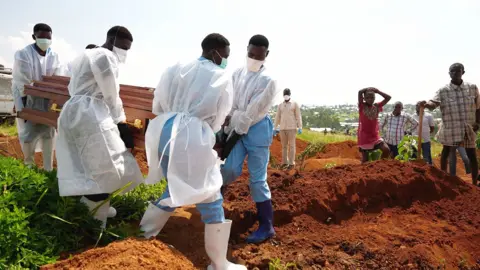
At the Nyamurongo cemetery in Bunia, a city in northeastern Democratic Republic of Congo, the usual quiet of graves is replaced by a steady stream of mourners. The current Ebola outbreak — caused by the Bundibugyo strain that kills about a quarter of those infected — has forced communities to abandon traditional burial rites and adopt safer procedures.
The new grave etiquette
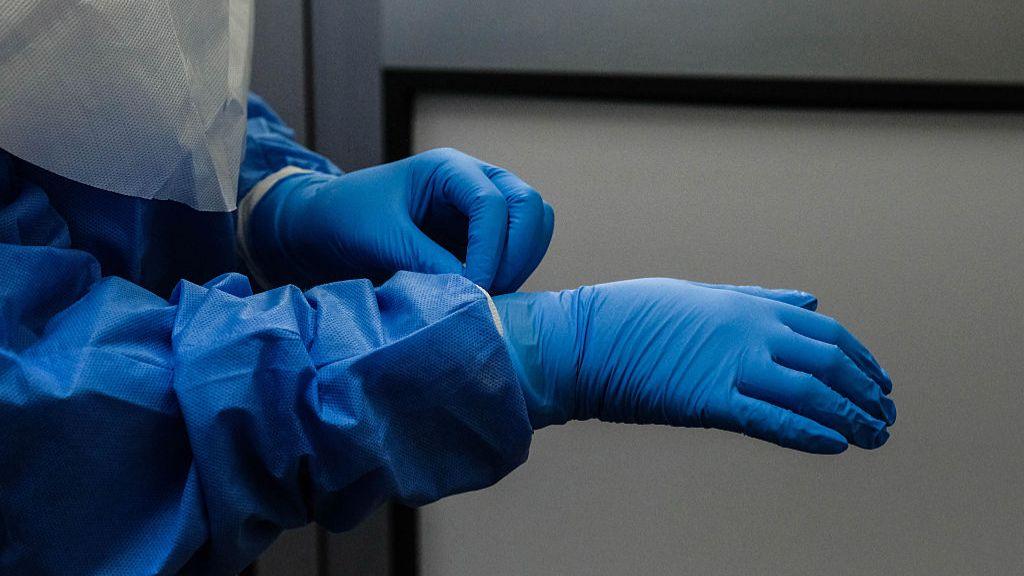
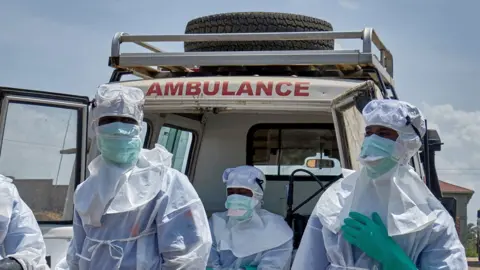
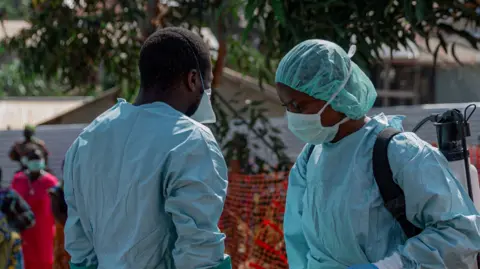
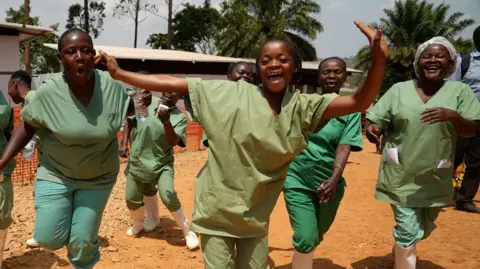
Families bring their dead to the cemetery, where volunteers in full personal protective equipment (PPE) place the body in a leak‑proof bag and seal it before encasing it in a coffin that has transparent panels. A clear film at the top of the bag allows mourners to see the face, offering a small comfort while keeping the virus contained.
Volunteers transport the coffins in separate trucks, and a tent outside the treatment centre serves as a temporary morgue. In one instance, a forensic team retrieved a 34‑year‑old mother of four, whose family watched from a distance as her body was sealed and buried in under ten minutes.
Culture meets science
Traditionally, Ituri communities dress a dead person in ceremonial clothes and conduct songs and dances that celebrate the journey to the after‑world. They also wash the body before burial, a ritual now banned because it exposes the family to Ebola‑contaminated fluids.
Anoko, a WHO anthropologist who has worked on Ebola outbreaks in DR Congo and West Africa, explains that safe burials must respect local beliefs. She says, “We negotiate with families to help them understand and accept the new protocols. It can take days of dialogue, but we use cultural knowledge to bridge the gap between science and tradition.”
The most challenging has been negotiating the burial of pregnant women. Community members believe a pregnant woman should not be buried with the fetus inside. Anoko tells that folklore suggests the fetus should travel light, leading to the removal of the baby and separate burial — a practice that must be balanced with infection risk.
Community voices
Joel Lonza Makumbu, who has taken his parents to the cemetery one after the other, says he fears he may have to return for a seventh time. He explains, “I have relatives in treatment centres and don’t know the future. I want everyone to know Ebola is real.”
“We want to be as supportive as possible, while protecting the community,” says IFRC public health emergency coordinator Maria Munoz-Bertrand. She emphasizes that choices for families are still being adapted to infection‑control standards.
An emerging path forward
The joint efforts of volunteers, health workers, and cultural liaisons represent a critical push to ensure safe, dignified burials during a deadly outbreak. While the protocols may be painful, they underscore the importance of respecting both health imperatives and cultural traditions as communities navigate grief under crisis.