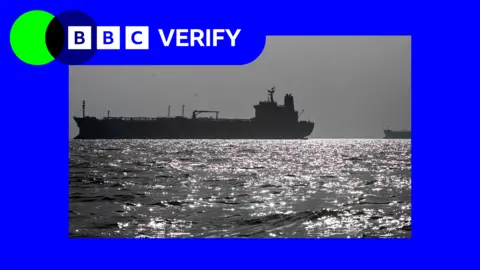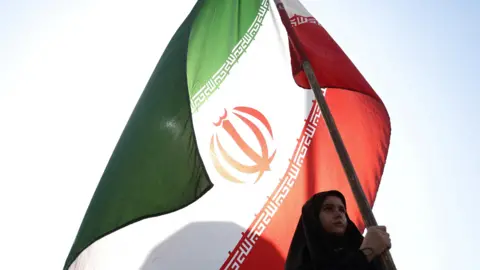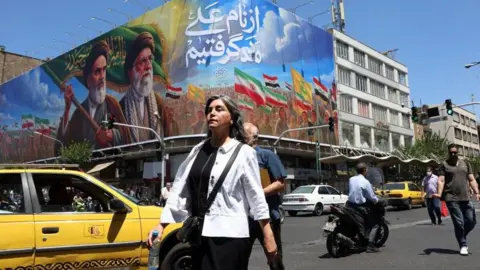
The US-Israeli attacks against Iran, and the threats against its energy infrastructure, as well as Tehran's retaliation on its Gulf neighbours underline how the norms of starting and escalating international wars have been upended.
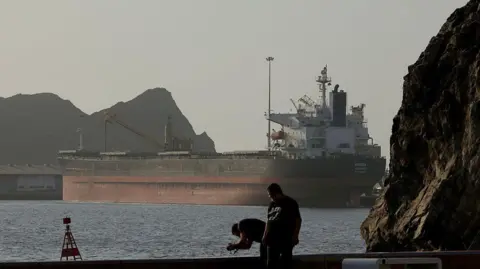
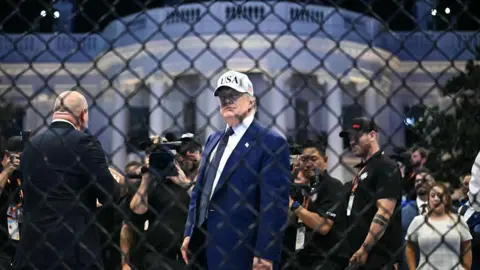
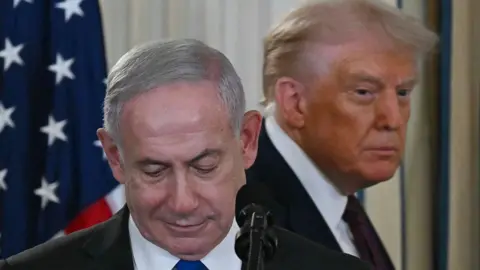
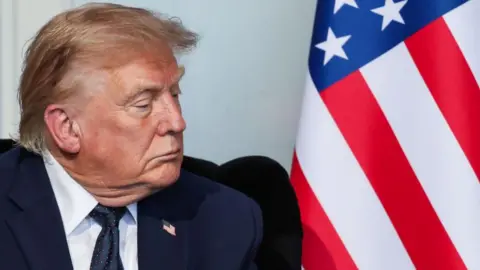
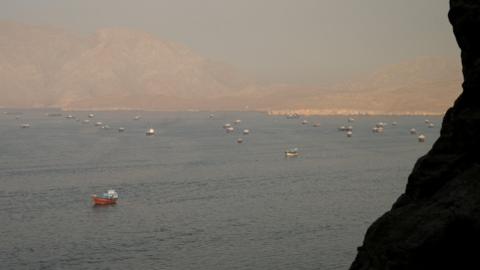
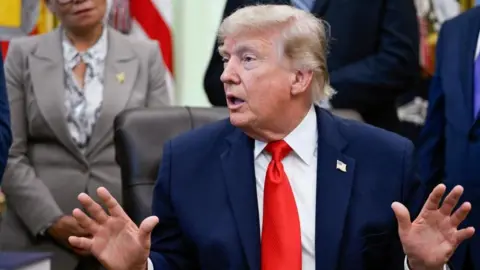
US President Donald Trump has at least twice threatened to use overwhelming force against Iranian energy facilities. Last week, he stated he would massively blow up Iran's South Pars gas field if Iran further retaliated against Qatari energy sites. Additionally, he mentioned the US would obliterate Iran's power plants if its leaders did not reopen the Strait of Hormuz.
This situation raises deep concerns about the implications for the global rules-based order. Luis Moreno Ocampo, founding chief prosecutor of the International Criminal Court (ICC), expressed that the current war in Iran constitutes a crime of aggression under international law, and actions threatening Iranian energy sites align with similar war crimes attributed to Russia in Ukraine.
Moreno Ocampo criticized the shift from a structured international legal framework to a scenario where individual nations operate under their self-defined rules, stating that such behavior terminates the possibility of a viable world order.
Despite the White House dismissing these claims as ridiculous, experts note that Trump’s aggressive stance has contributed to an environment of distrust threated by rogue strategies in international relations.
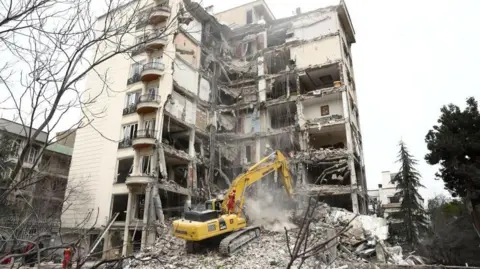
Amid these dynamics, the implications for civilian life in Iran are severe, with potential retaliatory strikes putting vital infrastructure at risk, which could severely affect humanitarian conditions. The UN Security Council's responses illustrate ongoing geopolitical tensions and the risks of escalating violence.
As the conflict unfolds, analysts are left to ponder how the principles of international law will be upheld and whether traditional methods for conflict resolution can be salvaged in this transformed reality.