World Cup Racism Scandal: Mexican Fan Apologises After Slanted‑Eye Gesture
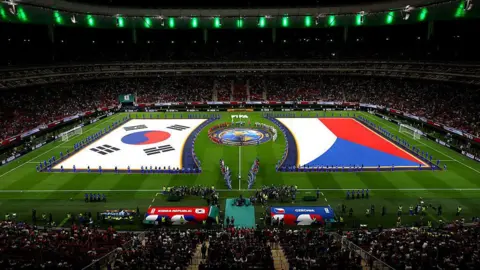
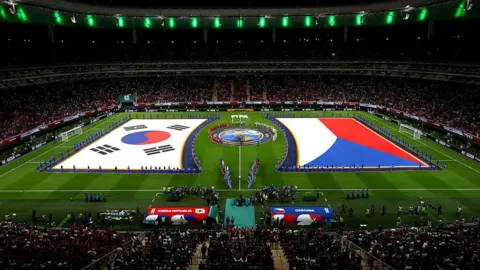
On Thursday night in Guadalajara, a quick clip from the 2026 World Cup match between South Korea and the Czech Republic went viral after an Olympic‑sized gesture by a Mexican spectator drew harsh criticism. The fan, identified as Ulises Fernando Bernal Miramontes, was filmed pulling the corners of his eyes into a slanted‑eyed shape—an action many viewers associated with a long‑standing stereotype of East Asians.
The footage was originally posted by South Korean content creator Yoon Su‑jin, better known online as Ino Cat. With over 6.6 million YouTube followers and 2 million TikTok subscribers, Yoon’s clip gathered 65,000 comments and was shared more than 120,000 times, instantly raising the profile of the incident on a global stage.
In the weeks following the match—which ended in a 2-1 victory for Korea—Bernal issued a public apology. In his statement published on Sunday, he acknowledged the widespread circulation of the video, the resulting controversy, and the importance of taking responsibility for the reaction it generated. “I sincerely regret everything this situation has caused,” he wrote, adding that he "has taken time to reflect on what happened and I understand the responsibility I have in this moment."
The fallout quickly extended beyond sentiment. According to a spokesperson for the College of Geomatics and Topographic Surveying Engineers of Jalisco (CITGEJ), Bernal was removed from his role as president in the wake of the uproar. The decision was reported by the New York Post and confirmed through official statements from the guild.
Responses on social media were swift and strong. Many Mexican users condemned the gesture, while others apologized on behalf of all Mexicans, emphasizing that the action did not reflect their national character. A particularly nasty comment echoed that the fan "laughed like he cracked the best joke," while others praised Bernal’s apology as a step toward accountability.
This event underscores the powerful intersection of sport, culture, and digital influence. The global reach of platforms such as YouTube and TikTok means that a single moment can quickly become a worldwide talking point, prompting careers and reputations to change overnight. The World Cup may have brought breathtaking athletic performances, but it also exposed how a brief gesture can ignite a fierce backlash that reverberates across societies.