An Iranian minister has told the BBC that Israeli strikes in Lebanon on Wednesday constituted a grave violation of the US-Iran ceasefire agreement.
Deputy Foreign Minister Saeed Khatibzadeh stated that Lebanon was covered by the two-week deal agreed on Tuesday—something the US and Israel dispute—and stressed that the US must choose between war and ceasefire.
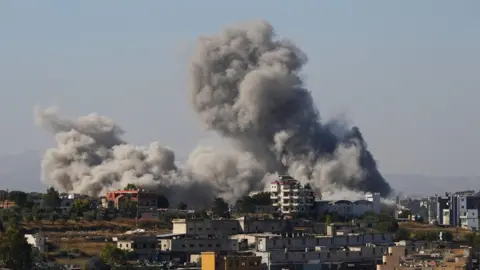
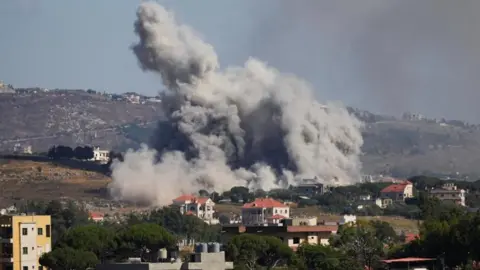
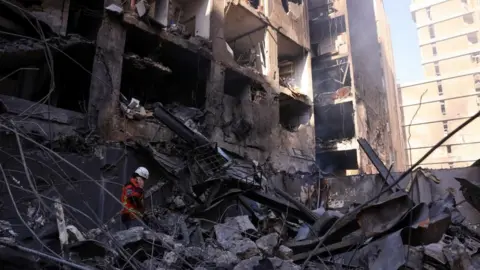
The Lebanese health ministry has reported at least 203 casualties due to air strikes targeting what Israel described as Hezbollah command centers and military installations.
Khatibzadeh maintained that Hezbollah had abided by the ceasefire, implying Iran would not pressure the group to cease rocket attacks towards Israel. Hezbollah subsequently declared it had fired at Israel in retaliation for what it termed ceasefire violations, vowing to continue until Israeli-American aggression ceased.
During a discussion on BBC Radio 4, Khatibzadeh emphasized the contradictory nature of US demands: You cannot ask for a ceasefire and then enable your ally to commit massacres. He also alluded to a message sent to the White House clarifying Iran's stance against dual standards.
While Iran expressed readiness to act in accordance with international law regarding shipping in the Strait of Hormuz, Khatibzadeh indicated that security protocols would be necessary to prevent potential misuse by military vessels.
Since the outbreak of the conflict in late February, Iranian authorities have effectively blocked the critical shipping lane pivotal for global oil transport, triggering disruptions across the world economy. The ceasefire permits the strait's reopening, yet Iranian media reported that it remains closed due to ongoing Israeli hostilities against Hezbollah.
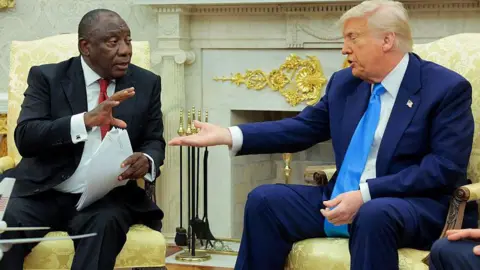
White House representatives, however, dismissed claims of the strait being closed, noting an increase in maritime traffic. President Trump reiterated the US commitment to remain in the region until a real agreement is established with Iran.
Khatibzadeh expressed skepticism regarding the potential for a lasting resolution, accusing the US of using dialogue as a pretext for military engagement, yet remained hopeful for an outcome that serves both national and regional interests.