The ongoing Supreme Court hearings around India's Places of Worship (Special Provisions) Act of 1991 are stirring significant controversy and debate. This law, designed to maintain the character of religious sites as they existed at the time of India's independence in 1947, has become a focal point in a wider discourse on religious identity and freedom.
Petitions currently under review challenge the law's validity, suggesting it curtails religious freedoms and hinders constitutional rights. This comes amidst increasing calls from Hindu nationalist groups to re-evaluate the status of historical mosques, a trend that critics fear could lead to increased religious tensions in an already polarized society.
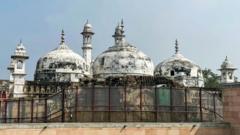
In particular, cases concerning places like the Gyanvapi mosque in Varanasi and the Shahi Eidgah mosque in Mathura have reignited divisive conversations surrounding the normalization of disputes over religious properties. The Babri Masjid case, a notable exemption in this law, underscores prior violence and accusations related to historical temple dismantling.
Defenders of the law emphasize its importance in safeguarding the rights of religious minorities, asserting that overturning or modifying it could unleash a wave of challenges targeting Muslim worship sites and deepen sectarian divides. They argue that recent court orders allowing historians and petitioners to survey contested sites undermine the law's core tenets and threaten communal harmony.
Although the Supreme Court has paused any further registrations of similar disputes until early February, its impact extends beyond the immediate legal framework. Observers note that the law's eventual fate could dictate the future of numerous religious structures and the potential for violence in an increasingly fraught interfaith landscape.
As this compelling legal struggle unfolds, it serves as a microcosm of India's broader societal issues—where faith, history, and identity intertwine amid a climate of growing nationalism. The discussions initiated in these courtrooms will undoubtedly shape the narrative of India's religious discourse for years to come.