Shootings Spike as Drug Gangs Blaze Through Brussels
Last Monday night, a drug‑gang standoff turned Salvatore’s pizzeria in Brussels into a shooting scene that echoes a growing crisis across the capital. The incident added to a tally of more than 125 drug‑related shootings in 2025 and 60 in 2026, a spike that has spurred the Belgian interior ministry to deploy 40 extra officers in the affected district.
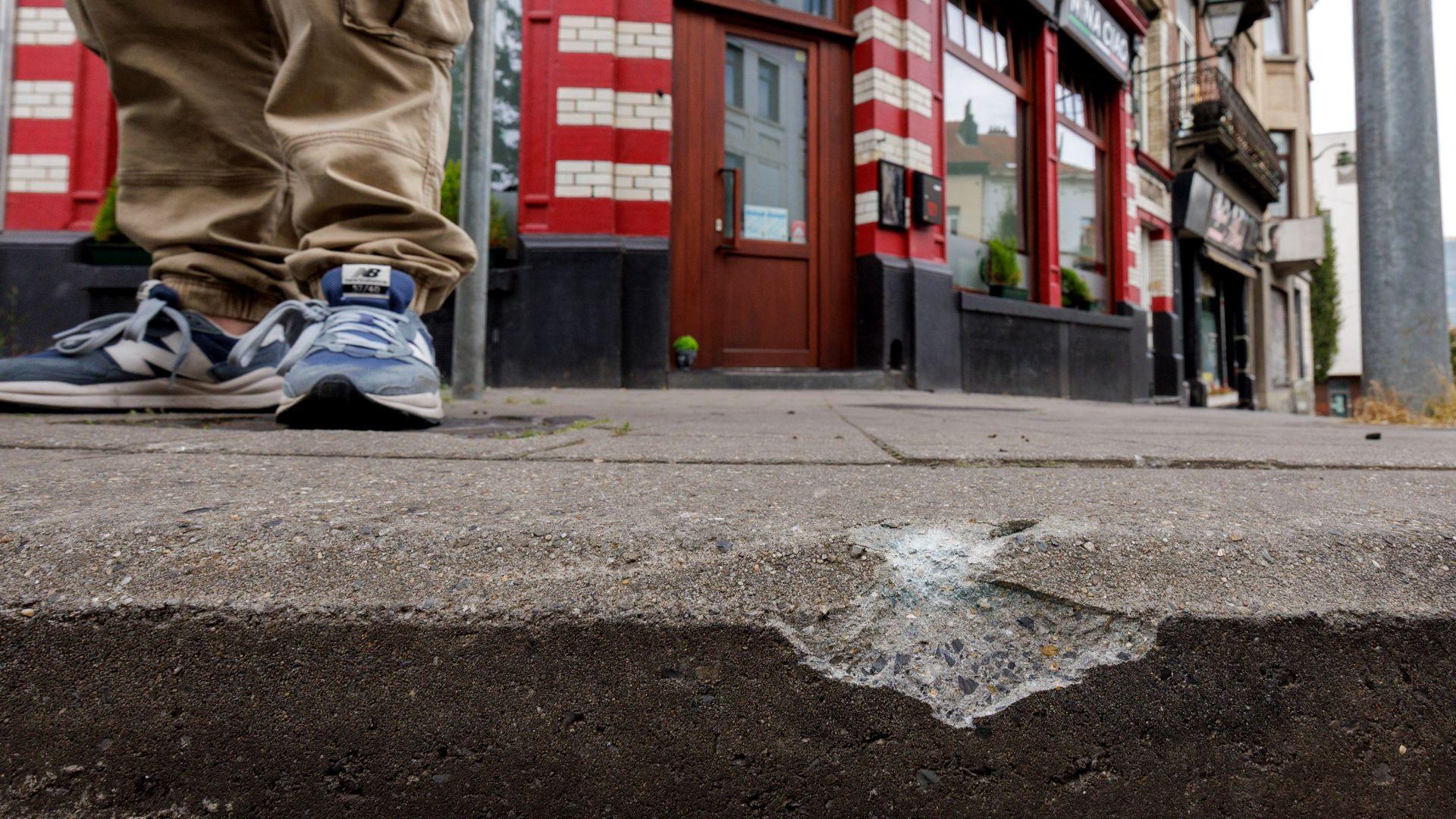
"We dropped to the floor. I had clients eating on the terrace with children. Look, we can see the bullet impacts everywhere," Salvatore, a restaurant owner in St Gilles, said with disbelief. The restaurant’s location on a small square near the Midi train station—a transit hub for London and Paris—means that every day thousands pass through the same streets where drug dealings and gunfire now dominate their morning commute.
"Are we in an American gangster movie? This needs to stop," said Salvatore after the shooting.
The shaking of community spirit is felt by neighbours too. Murielle, 70, watches from her garden and notes that once “the drug dealers used to be polite and decent.” She fears the violence might erode the city’s small‑town charm and erode property values as residents consider moving out.
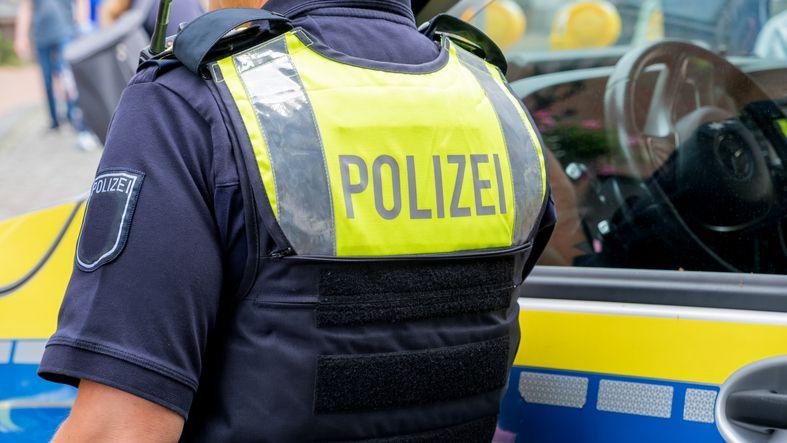
The violence is the result of a lucrative market: a single drug‑dealing point can net up to €50,000 a day. Police chief Jurgen de Landsheer says there are more than 200 such points across Brussels. In fact, the specialized bombing of a police station last weekend—firearms firing at a sliding door—signals a shift from gang‑to‑gang skirmishes to targeted attacks on police infrastructure.
De Landsheer stresses that the root cause is money and that “there is no magic solution.” Instead, he calls for a balanced approach: “We need prevention over repression. We can be present in the streets, but our society also needs to give a future to the young people … that's the social part.”
The Belgian government’s extra police deployment reflects the urgency, but the problem’s scale, mirroring the escalating violence seen in Marseille’s drug corners, suggests a deeper societal breakdown. The city’s port of Antwerp, 40 km from Brussels, has seized record amounts of cocaine in recent years, further fueling the European drug trade.
For now, Brussels remains at play between a night of gunfire and a looming future where the city must decide whether to curb the violence from the streets or from behind the back of its gangs.